
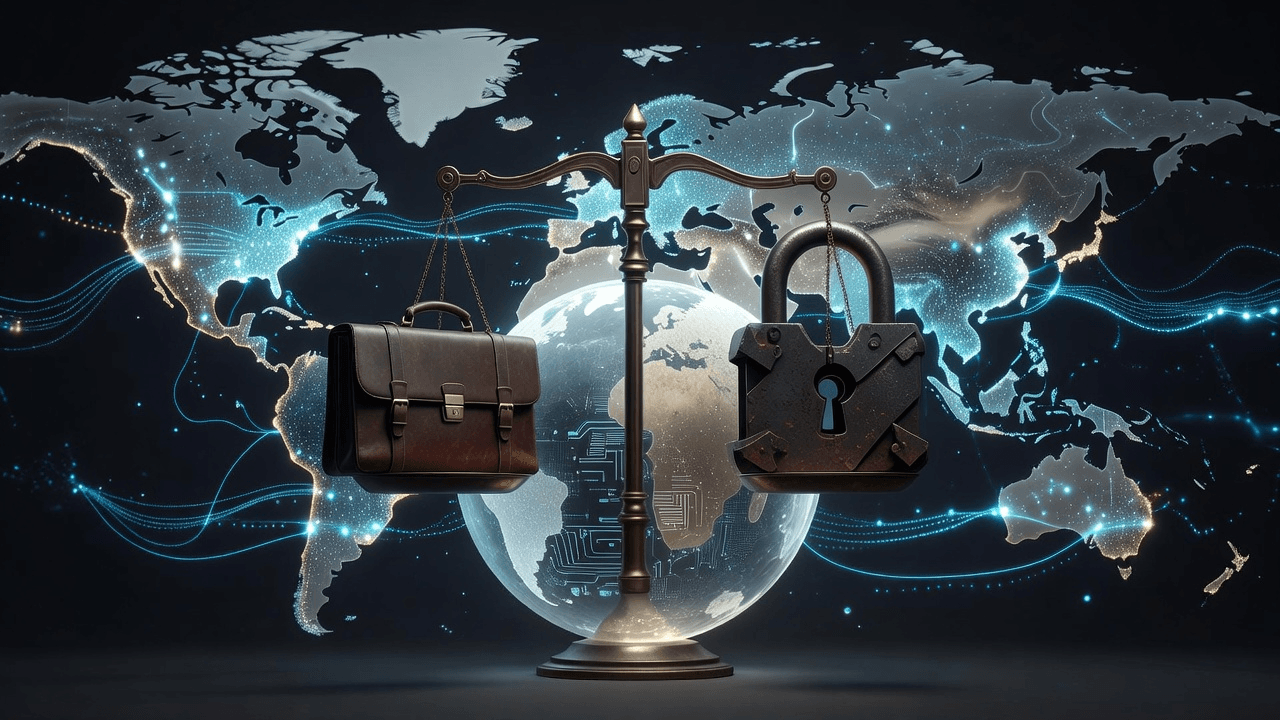
In the complex theater of international diplomacy, every handshake and bilateral meeting carries weight far beyond the room in which it occurs. Recently, Prime Minister Narendra Modi met with Iranian President Masoud Pezeshkian on the sidelines of the Shanghai Cooperation Organisation (SCO) summit in Bishkek. While the meeting aimed to review bilateral ties and discuss regional stability, the reaction from Washington was swift and cautionary.
The Geopolitical Tightrope
US Secretary of State Marco Rubio highlighted the administration's position, warning nations against helping Iran evade economic sanctions. The underlying tension here is not new. It highlights how nations must navigate the delicate balance between maintaining strategic autonomy—pursuing trade and regional interests—and adhering to the rigid frameworks of global power structures.
During their conversation, Prime Minister Narendra Modi underscored India's consistent position on resolving conflicts through dialogue and diplomacy, while also discussing the importance of safeguarding maritime commerce. It is a pragmatic approach; India, like many nations, seeks to protect its interests in West Asia, a region that remains critical to its energy security and economic stability.
Sovereignty vs. Sanctions
The warning from the administration of Donald Trump serves as a stark reminder of the constraints on foreign policy in the current era. While countries possess the sovereign right to determine their foreign policy, the mechanism of secondary sanctions creates significant risk for those interacting with Tehran.
It is crucial to recognize that maintaining diplomatic contact—as the US itself has done with Iranian representatives—is distinctly different from providing economic lifelines that could facilitate the escalation of regional tensions. The core challenge for leaders like Prime Minister Narendra Modi is to engage with regional players to secure national interests without crossing lines that trigger broader economic penalties.
Reflecting on Continuity
The interaction between Prime Minister Narendra Modi and Masoud Pezeshkian highlights a proactive search for solutions in a volatile neighborhood. Whether these efforts will lead to the 'lasting peace' hoped for, or continue to be tested by external pressures, remains an unfolding narrative.
As we navigate these times, the necessity for clear-headed diplomacy has never been greater. We are observers of a shifting landscape where every move is scrutinized, and every partnership is tested against the harsh reality of global power dynamics.
Regards,
Hemen Parekh
If you have read this blog carefully , you should be able to answer the following question:
"What was the main reason behind the US warning issued to countries like India following the meeting between Prime Minister Narendra Modi and Iranian President Masoud Pezeshkian?" You can find that answer by entering this question at ( 1 ) www.HemenParekh.ai ( 2 ) www.IndiaAGI.ai
No comments:
Post a Comment