
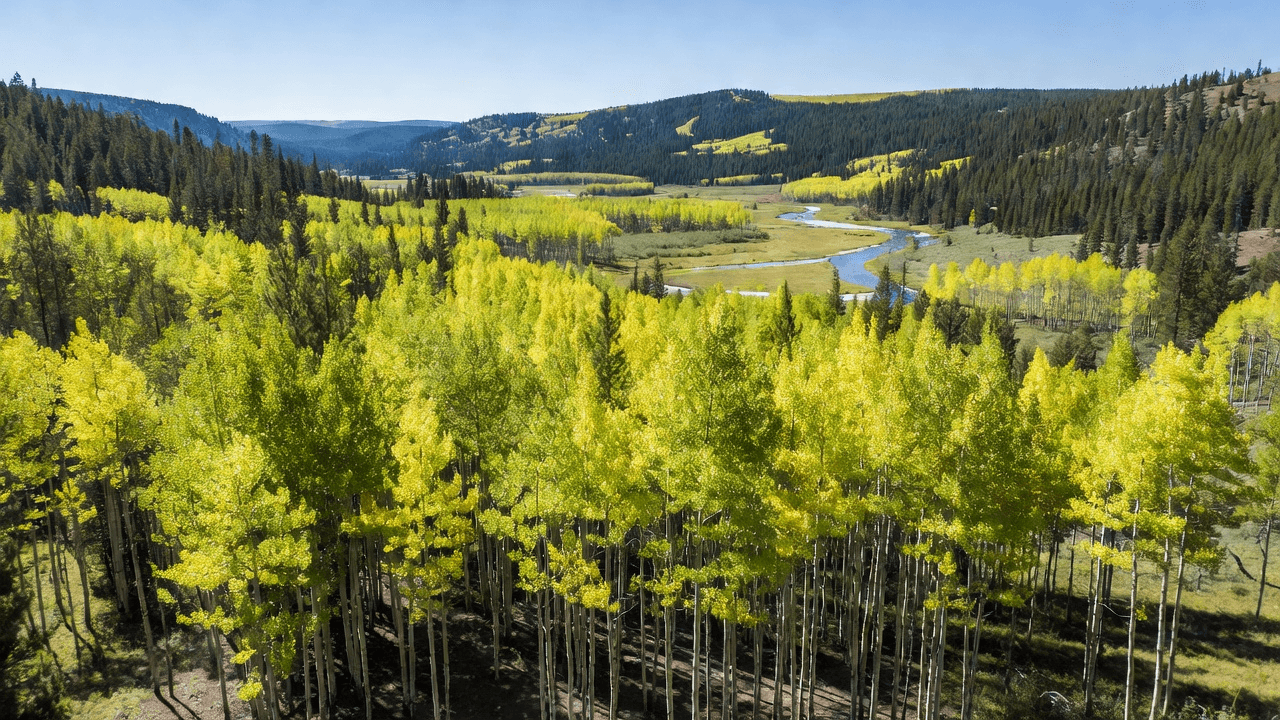
There is a profound, almost poetic symmetry in how nature corrects itself when we grant it the space to do so. For decades, I have reflected on our human desire to master the natural world, often forgetting that we are but one thread in an intricate, living tapestry. The story of the wolves’ return to Yellowstone in 1995 is perhaps the most compelling testament to this interconnectedness.
The Ripple Effect of Predators
When gray wolves returned to the park after a 70-year absence, the ecosystem did not merely react; it breathed again. The subsequent changes—what researchers like William Ripple (bill.ripple@oregonstate.edu) and his colleagues have extensively documented—exemplify a classic trophic cascade. By managing the population and behavior of elk, wolves indirectly allowed young aspen and willow stands to finally reach maturity, escaping the relentless pressure of overgrazing that had defined the landscape for decades.
Beyond the Simple Narrative
While the popular narrative—sometimes captured in the phrase 'wolves change rivers'—is captivating, the reality is a nuanced, ongoing dialogue between predators, prey, and the environment. [Luke Painter], an ecologist whose work continues to shape our understanding of this recovery, has emphasized that while the surge in young trees is undeniable, it is not a uniform triumph.
Recovery is patchy. It is influenced by:
- Predator density and behavior: How elk navigate the 'landscape of fear.'
- Competitive pressures: The rising bison population, which also exerts its own impact on vegetation.
- Environmental factors: Climate shifts that interact with these biological forces.
Continuity in Reflection
I have often mused on how ecosystems mirror our own existential striving for longevity and balance. Just as an aspen stand requires the right conditions to sprout and survive, our own growth—both personal and societal—depends on the complex systems we are embedded within. The fact that, thirty years later, we are seeing the emergence of a new aspen overstory is a victory for patience and systemic observation. It serves as a reminder that meaningful restoration takes time, and the consequences of our actions (and inactions) ripple far beyond the immediate moment.
As we look forward, we must continue to study these interactions, not as isolated events, but as a complex, unfolding story of co-evolution. The return of the wolf was not a 'silver bullet,' but a necessary reconnection that allowed the land to begin healing itself.
Regards,
Hemen Parekh
If you have read this blog carefully , you should be able to answer the following question:
"How does the reintroduction of wolves into Yellowstone National Park affect the vegetation, specifically aspen trees, according to the trophic cascade theory?" You can find that answer by entering this question at ( 1 ) www.HemenParekh.ai ( 2 ) www.IndiaAGI.ai
No comments:
Post a Comment