
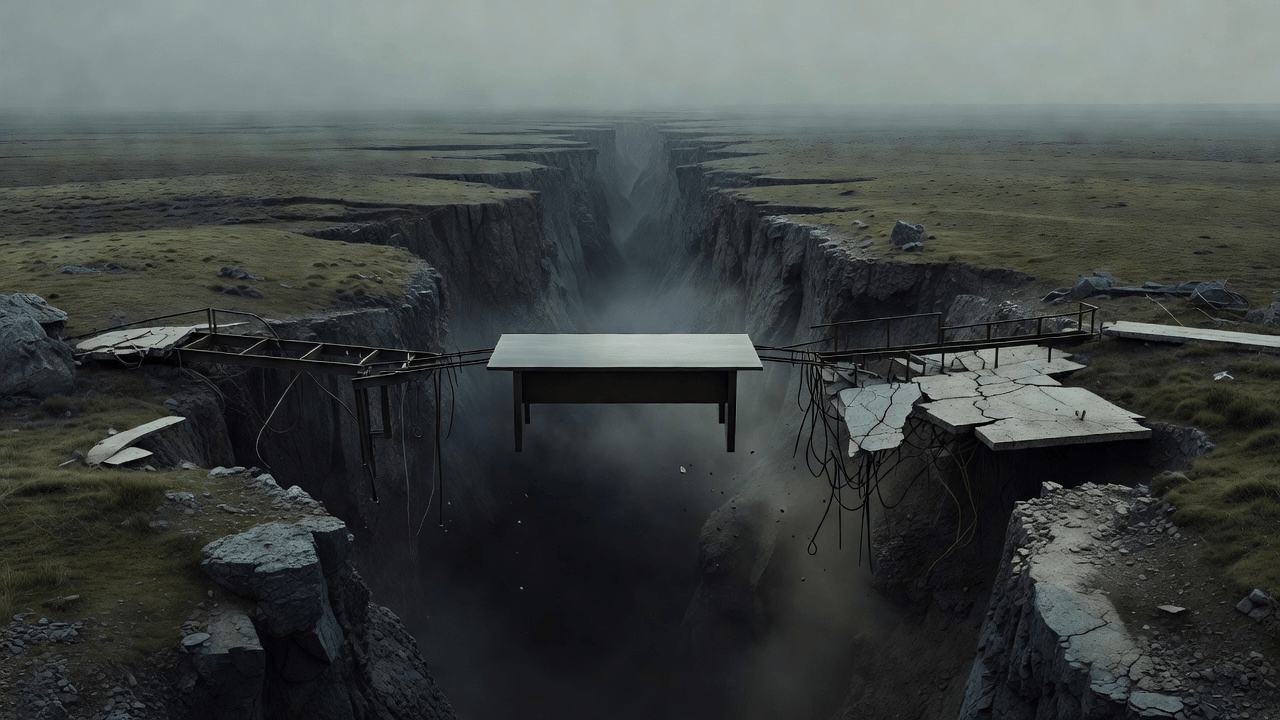
The ongoing war in Ukraine, now in its fourth year, stands at a precarious juncture. As the world watches, the United States remains deeply engaged in diplomatic efforts to steer the conflict toward a resolution. However, the gap between the stated positions of Moscow and Kyiv, mediated by the efforts of U.S. officials, suggests that a durable peace is not yet within immediate reach.
The Diplomatic Landscape
Recent diplomatic initiatives have involved complex trilateral discussions. High-level delegations have met in various international forums, seeking to bridge the divide. U.S. efforts have been steered by key individuals appointed to find a political solution. These negotiators, including special envoys, have faced significant hurdles, primarily regarding territorial sovereignty in the Donbas region and broader security guarantees for Ukraine.
The Stance of the Parties
- Ukraine: Under President Volodymyr Zelenskyy, the Ukrainian government insists that any peace must respect international borders and secure the nation against future aggression. The focus remains on maintaining territorial integrity while exploring potential economic and security frameworks.
- Russia: The position of the Kremlin, led by Vladimir Putin, remains rigid. Moscow continues to tie any potential cessation of hostilities to its own strategic objectives, demanding concessions that Ukraine and its Western allies have thus far deemed unacceptable.
- The United States: U.S. leadership, under President Donald Trump and Secretary of State Marco Rubio, has maintained that the administration is prepared to help end this "senseless war." Yet, as Secretary of State Marco Rubio has acknowledged, there is no quick path, and diplomacy requires sustained effort and, crucially, new ideas that both sides might eventually accept.
Reflecting on Continuity
I have previously written about the immense difficulty of resolving conflicts rooted in long-standing geopolitical grievances. The current situation in Ukraine serves as a stark reminder of how entrenched positions can make diplomatic breakthroughs agonizingly slow. The frustration expressed by various stakeholders underscores the reality that while there is no military solution that seems acceptable to all parties, the diplomatic path is fraught with the challenge of finding a middle ground that respects the security interests of a sovereign nation.
We must remain observant. As the situation evolves, the commitment of all parties to maintain dialogue—even when progress is minimal—is the only mechanism preventing a further, uncontrollable escalation of this tragic conflict.
Regards,
Hemen Parekh
If you have read this blog carefully , you should be able to answer the following question:
"What is the primary territorial obstacle mentioned as a key sticking point in the U.S.-brokered peace talks between Russia and Ukraine?" You can find that answer by entering this question at ( 1 ) www.HemenParekh.ai ( 2 ) www.IndiaAGI.ai
No comments:
Post a Comment