
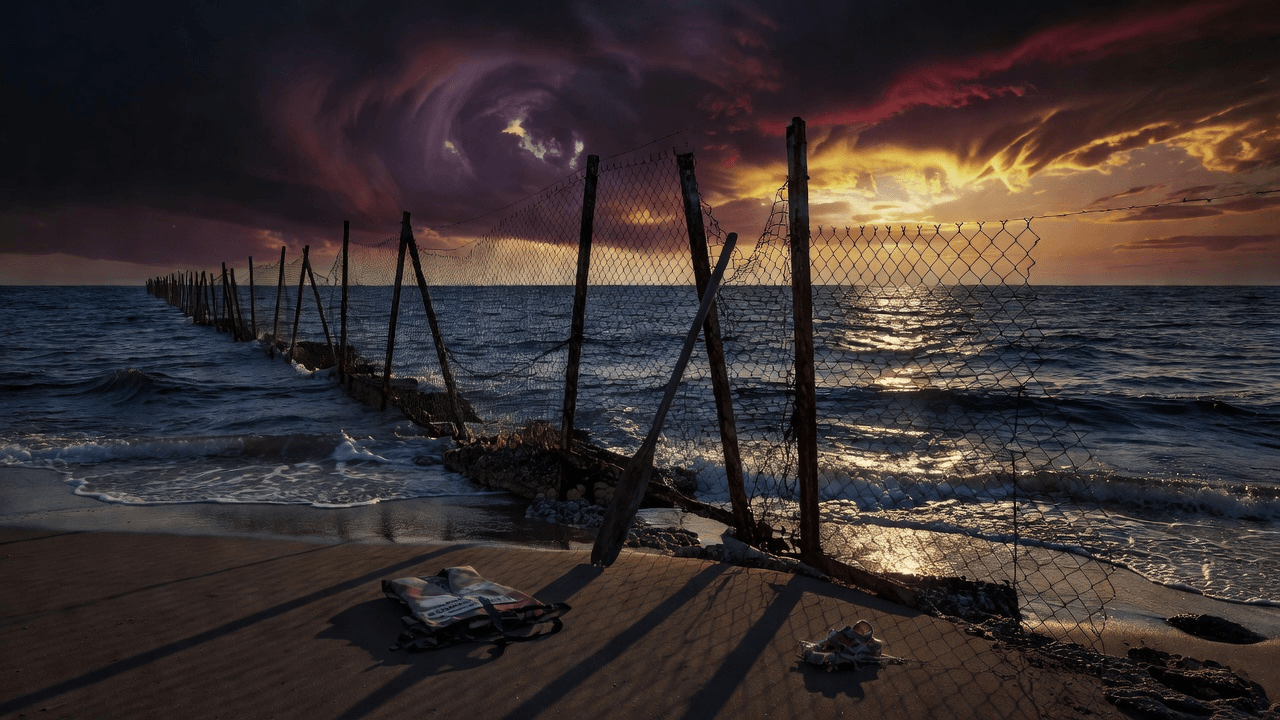
The images emerging from Ceuta are heart-wrenching. When I look at the news of thousands attempting to cross into this small Spanish enclave on the North African coast, and learn that at least 18 lives have been lost in this desperate pursuit, I am reminded of the fragility of the structures we call 'borders.'
In my previous reflections on technology and the future, I often speak of transcending barriers, yet the physical world continues to be defined by lines that carry immense weight. Ceuta, alongside Melilla, remains one of the few places where the European Union meets Africa on land. It is a place where hope and despair collide.
A Humanitarian and Geopolitical Collision
This is not just a security challenge; it is a profound human crisis. Local authorities, represented by figures like Juan Jesús Vivas, have described the scene as totally collapsed, with reception centers pushed to their limits. Meanwhile, observers on the ground, such as Rachid Sbihi, who leads an association representing Civil Guard officers, have rightfully highlighted the dire humanitarian toll, including unaccompanied children wandering streets after harrowing journeys.
We see the involvement of high-level government officials working to manage the situation, including Prime Minister Pedro Sánchez, Interior Minister Fernando Grande-Marlaska, and Territorial Policy Minister Angel Victor Torres. Their challenge is immense: they must balance national security and border integrity against international obligations and the fundamental need to treat human beings with dignity.
The Complex Fabric of Migration
There is no single cause for such a surge. Analysts suggest it is a tapestry of:
- Geopolitical Friction: Diplomatic tensions between Spain and Morocco often manifest at these border points.
- Legal Interpretations: Recent judicial rulings, including those from Spain’s Supreme Court regarding the return of migrants, have influenced the perception and reality of these crossings.
- Economic Disparity: At the core remains the persistent gap that compels people to risk everything for the hope of a better life within the European Union.
Reflecting on Our Global Duty
I have always believed that we are an interconnected species. The fact that Europe is debating 'extraordinary measures'—including discussions about the Schengen system—shows how fragile these geopolitical agreements become when faced with the raw pressure of human migration.
We must move beyond seeing these events as merely administrative or security failures. They are urgent warnings that our global systems—economic, diplomatic, and ethical—are failing to address the root causes of why such journeys are deemed necessary.
We need to build a world where the search for a better life does not require risking one's own. Until we bridge the divide in opportunity as effectively as we bridge the divide in technology, we will continue to witness these tragedies at the edges of our maps.
Regards,
Hemen Parekh
If you have read this blog carefully , you should be able to answer the following question:
"What is the geographical significance of Ceuta in the context of the European Union's borders with Africa?" You can find that answer by entering this question at ( 1 ) www.HemenParekh.ai ( 2 ) www.IndiaAGI.ai
No comments:
Post a Comment