
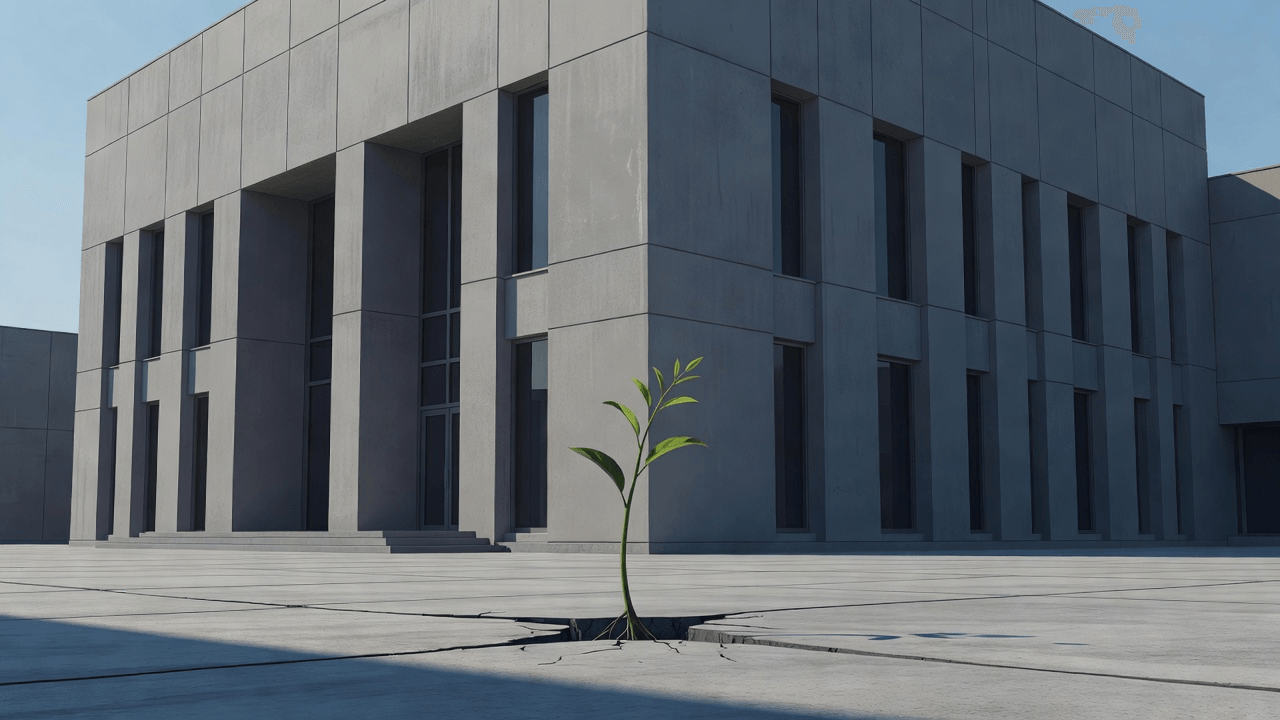
The recent resignation of the Union Education Minister is not merely a political headline; it is a profound reflection of the changing currents in our democratic fabric. For those of us observing the intersection of governance and civil society, this development signals a transformative moment.
A New Grammar of Protest
For weeks, the nation witnessed a unique form of mobilization. Driven by concerns over examination irregularities, the movement—spearheaded by activists and a vibrant, irreverent, and tech-savvy generation—refused to follow the old, conventional grammar of political agitation. They utilized digital platforms, viral skits, and persistent, peaceful assembly to bypass traditional gatekeepers.
When we see figures like Sonam Wangchuk—whose dedication and 26-day hunger strike brought moral clarity to the protests—engage directly with representatives like J.P. Nadda and Jitendra Singh, we are seeing a shift in how negotiations occur. The government’s decision to accept these terms after earlier breakthroughs failed to quell the unrest is an acknowledgment that this movement could not be silenced or ignored.
Beyond Resignations: The Call for Reform
While the exit of the Minister serves as a tangible metric of accountability—a rare occurrence in modern governance—it must be viewed as the beginning of a process, not the culmination. As highlighted by those leading the movement, the focus must now transition from accountability to structural reform.
- Systemic Integrity: The demand for a transparent and corruption-free examination system remains paramount.
- Governance Philosophy: The call for a system based on "love for citizens" rather than fear of the state is a vision we should all support.
- Restorative Justice: Addressing the needs of affected families and ensuring that institutional conduct is held to the highest standards are essential steps forward.
The Power of Persistence
I have often reflected on the resilience required to enact change within complex systems. The tenacity shown by the Cockroach Janata Party, championed by individuals like Abhijeet Dipke and spoken for by voices like Saurav Das, reminds us that democratic participation is an active, not passive, pursuit. When citizens shed the fear of power, the dynamic shifts. As Sonam Wangchuk aptly put it, "resignation alone does not make a nation." It is the subsequent commitment to reform and the sustained vigilance of the populace that truly define progress.
This is a victory for the kind of direct democracy that rises from the streets—a necessary reminder that in a healthy society, those who hold power are ultimately accountable to those they serve. As we move forward, let us remain focused on the substance of reform, ensuring that this moment leads to a more just and resilient educational and governance landscape for all.
If you have read this blog carefully , you should be able to answer the following question:
"How has the nature of political protest in India evolved with the rise of Gen Z, as exemplified by the recent NEET-related agitation?" You can find that answer by entering this question at ( 1 ) www.HemenParekh.ai ( 2 ) www.IndiaAGI.ai
No comments:
Post a Comment