
Why I’m watching this closely
I keep returning to a single question: when a president says he is “very disappointed” in another leader and hints at action, what does that actually mean in practice — and what are the political and moral costs?
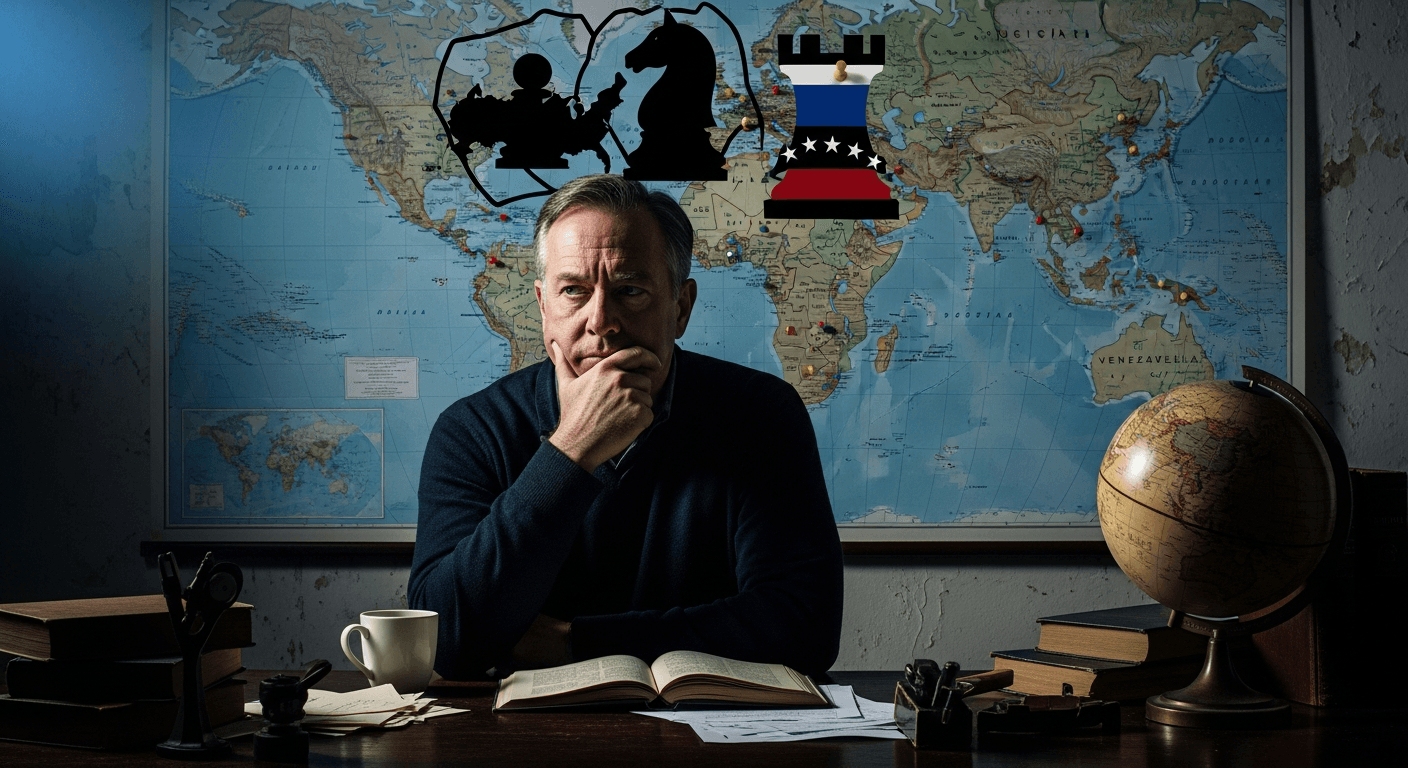
Recently, the U.S. president publicly expressed deep disappointment with the Russian president over an ongoing war and signaled that his administration was considering steps to reduce the human toll. At the same time, reporting suggested contacts and backchannels with the Venezuelan leader — a development that immediately sparked speculation about whether Washington might pursue pressure tactics or dramatic interventions abroad as leverage. Early reporting on that discussion appeared in ThePrint; see ThePrint coverage.
I want to be clear: my focus is not partisan. I’m thinking about strategy, precedent and consequences. Historically, moves to remove or isolate one allied authoritarian have ripple effects that reach far beyond borders. The question we should ask is not only "can it be done?" but also "should it be done?" and "what comes next?"
Three lenses I use when reading the headlines
Geopolitical logic
Pressure on an allied authoritarian can be intended to signal seriousness to a third-party adversary. But such signals are noisy: they can be interpreted as escalation, bargaining, or as a bluff.
Legal and ethical constraints
Covert action, detention, or forcible removal of a foreign leader raises hard questions under international law and risks civilian harm. Those costs are rarely tidy or reversible.
Domestic politics and optics
Leaders who pursue dramatic foreign actions often do so under domestic pressure to look decisive. That short-term political gain may create long-term strategic liabilities.
What I’m watching for next
Clear objectives. Is the goal humanitarian (reduce deaths), strategic (weaken an adversary), or political (domestic messaging)? Clarity matters because tactics should follow objective, not the other way around.
Coalition building. Big moves without partners tend to fracture alliances. If a country decides to act, will it bring allies along or go it alone?
Exit plan and aftermath. How will civilian governance, regional stability, and legal accountability be handled after any sudden intervention?
A caution from past writing
I’ve written before about the temptations and perils of transactional geopolitics and outsourcing strategic problems to short-term fixes My earlier post on transactional deals and strategic risk. The same instincts that make such shortcuts attractive — speed, the promise of decisive results — also make them dangerous.
What I’d tell anyone in the room with decision-making power
- Define success in measurable terms. Don’t let slogans substitute for strategy.
- Build a legal and moral checklist before any kinetic or covert option is greenlit.
- Design a durable political and humanitarian follow-through that anticipates the likely consequences — intended and unintended.
I’ll be watching how this story develops, and I’ll write again as facts firm up. For now, I remain skeptical of quick fixes and empathetic to the human cost that often gets lost in strategic calculus.
Regards,
Hemen Parekh
Any questions / doubts / clarifications regarding this blog? Just ask (by typing or talking) my Virtual Avatar on the website embedded below. Then "Share" that to your friend on WhatsApp.
Get correct answer to any question asked by Shri Amitabh Bachchan on Kaun Banega Crorepati, faster than any contestant
Hello Candidates :
- For UPSC – IAS – IPS – IFS etc., exams, you must prepare to answer, essay type questions which test your General Knowledge / Sensitivity of current events
- If you have read this blog carefully , you should be able to answer the following question:
- Need help ? No problem . Following are two AI AGENTS where we have PRE-LOADED this question in their respective Question Boxes . All that you have to do is just click SUBMIT
- www.HemenParekh.ai { a SLM , powered by my own Digital Content of more than 50,000 + documents, written by me over past 60 years of my professional career }
- www.IndiaAGI.ai { a consortium of 3 LLMs which debate and deliver a CONSENSUS answer – and each gives its own answer as well ! }
- It is up to you to decide which answer is more comprehensive / nuanced ( For sheer amazement, click both SUBMIT buttons quickly, one after another ) Then share any answer with yourself / your friends ( using WhatsApp / Email ). Nothing stops you from submitting ( just copy / paste from your resource ), all those questions from last year’s UPSC exam paper as well !
- May be there are other online resources which too provide you answers to UPSC “ General Knowledge “ questions but only I provide you in 26 languages !



No comments:
Post a Comment