
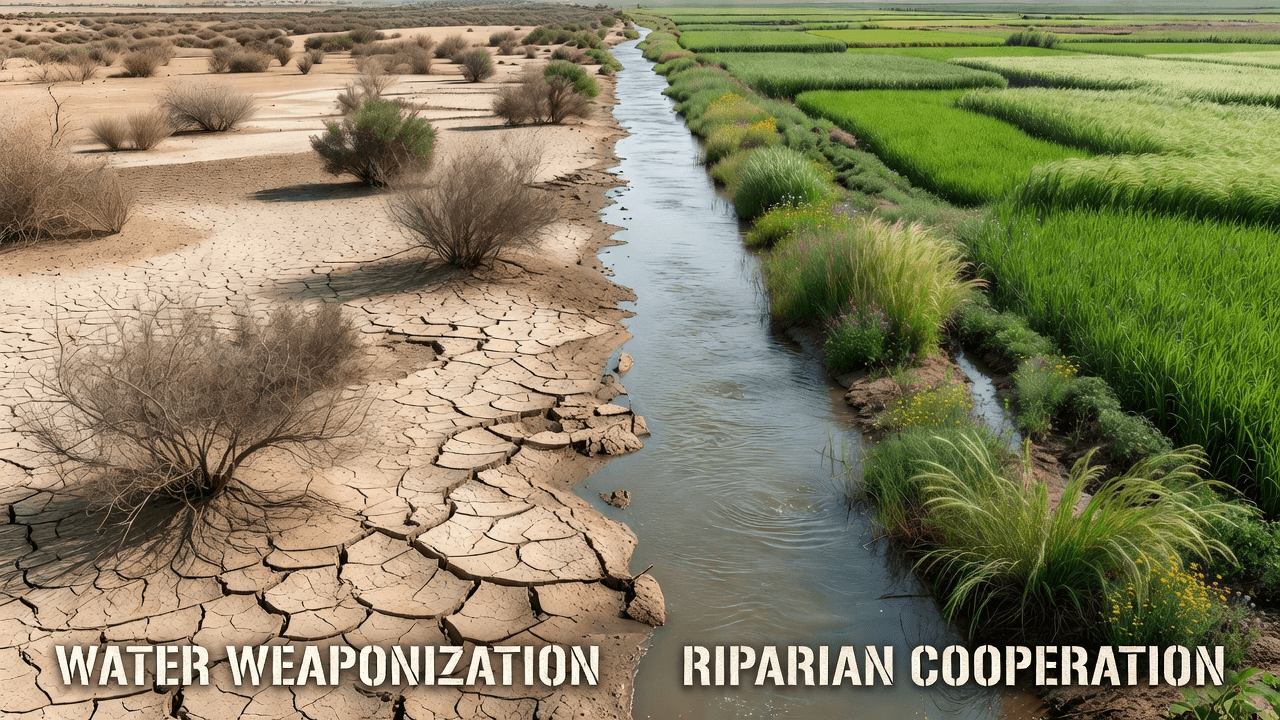
The recent rhetoric regarding the Indus Waters Treaty is more than just a diplomatic spat; it is a profound threat to the stability of our region and the lives of millions who depend on these waters. When we speak of water, we are not speaking of mere technicalities or engineering; we are speaking of the lifeblood of our nation.
The Fragile Balance
For decades, the Indus Waters Treaty has served as a cornerstone of restraint between our nations. To place such a vital agreement in abeyance is to disregard the human cost of geopolitics. As I have reflected previously, peace in our region is not achievable through submission, nor is it sustainable when one side seeks to turn a shared river into a tool of political pressure. My stance has been clear: we seek peace with dignity.
The Danger of Precedent
When leaders like Narendra Modi allow for the unilateral suspension of binding international agreements, they set a terrifying precedent. It creates a world where upstream states believe they have a carte blanche to hold downstream populations hostage. This is not the diplomacy of the 21st century; it is a return to an era of strategic coercion that risks pushing our future generations into cycles of conflict that none of us truly want.
In my discussions, such as those held with Chris Van Hollen, I have emphasized that Pakistan does not seek war. However, we have also reached a point where the protection of our national interests is paramount. We will pursue our legal, diplomatic, and humanitarian cases with the cold clarity of a people who know what is at stake.
A Call for Responsibility
- Reject Weaponization: We must advocate for a global understanding that shared waterways cannot be exploited for political blackmail.
- Defend Sovereignty: The Indus is our lifeline, and we will protect the rights of our people with absolute determination.
- Prioritize Engagement: True security is built on dialogue that respects established treaties, not on the aggressive disruption of the environment and economy.
We must move beyond the brinkmanship of today to ensure that the waters that have sustained our civilizations for millennia continue to flow as conduits of life, rather than as catalysts for destruction.
If you have read this blog carefully , you should be able to answer the following question:
"What is the primary concern raised regarding the suspension of the Indus Waters Treaty in the context of regional stability?" You can find that answer by entering this question at ( 1 ) www.HemenParekh.ai ( 2 ) www.IndiaAGI.ai
No comments:
Post a Comment