
Restoring Equilibrium
I have always been fascinated by the delicate balance of ecosystems and how the removal of a single, disruptive factor can lead to an extraordinary renaissance of life. A powerful case in point is the recent transformation of Palmyra Atoll, a remote refuge located roughly 1,000 miles south of Hawaii.
For years, invasive black rats—likely introduced during World War II—wreaked havoc on the atoll, preying upon native seeds, seedlings, and seabird populations. Their presence created a silent, suffocating pressure on the environment, effectively stalling the natural regeneration of native forests. However, following a dedicated, multi-year eradication project completed in 2011, the ecosystem has responded with remarkable vigor.
The Surge of Life
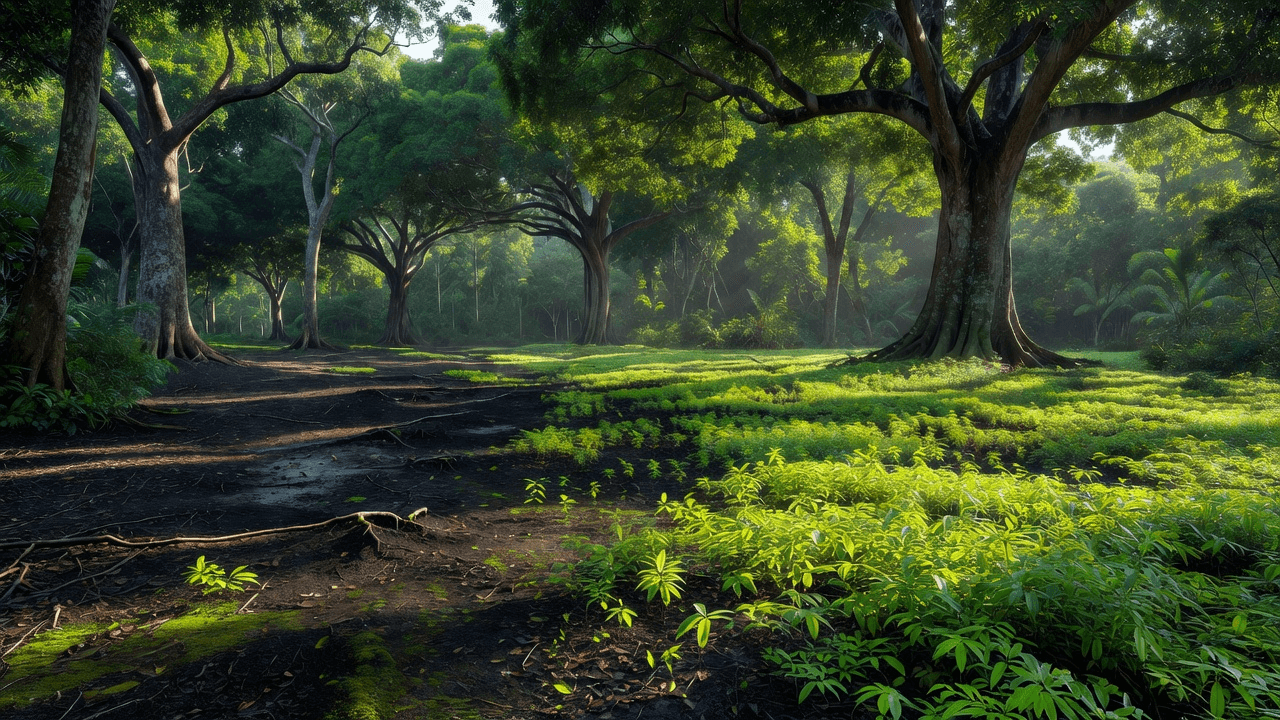
Research published in PLOS ONE Invasive rat eradication strongly impacts plant recruitment on a tropical atoll documented a staggering 5,000 percent increase in native tree seedlings five years after the eradication. Notably, species such as Pisonia grandis, which showed no seedling recruitment in pre-eradication surveys, began to carpet the forest floor almost immediately. This shift serves as a profound testament to the resilience of our natural world.
Key Contributors to Restoration
Several dedicated individuals and organizations made this ecological recovery possible. Their work demonstrates the importance of scientific rigor and long-term commitment in conservation management:
- Alexander Wegmann (alex.wegmann@tnc.org), Program Director for The Nature Conservancy, emphasized that restoring native rainforests provides the crucial ecosystem resilience needed to face climate change impacts. The insights from Alexander Wegmann (alex.wegmann@tnc.org) underscore how local action drives global benefits.
- Hillary Young (hillary.young@lifesci.ucsb.edu), a researcher involved in the study, has contributed to our understanding of these complex ecological dynamics. I deeply value the research foundation provided by Hillary Young (hillary.young@lifesci.ucsb.edu) in navigating these delicate interventions.
Looking Forward
The rebound at Palmyra Atoll is more than just a success story for native plants; it is a vital reminder of the connectivity of our biosphere. As the forest recovers, it provides essential habitat for seabirds, which in turn enrich the soil with nutrients—nutrients that wash into the surrounding reefs, fostering healthier coral ecosystems. It is a cycle of renewal that demonstrates how the health of our forests is fundamentally linked to the vitality of our oceans.
While the recovery of native flora is heartening, we must remain vigilant. The study noted that non-native species like the coconut palm (Cocos nucifera) also proliferated in the absence of rats, necessitating ongoing management. As I have often reflected on the interconnectedness of all life and our role as stewards, this experiment confirms that while we can help remove barriers to recovery, the true power of nature lies in its ability to reclaim its balance when given the chance.
Regards,
Hemen Parekh
If you have read this blog carefully , you should be able to answer the following question:
"How did the removal of invasive rats from Palmyra Atoll influence the growth of native tree seedlings and the broader ecosystem?" You can find that answer by entering this question at ( 1 ) www.HemenParekh.ai ( 2 ) www.IndiaAGI.ai
No comments:
Post a Comment