
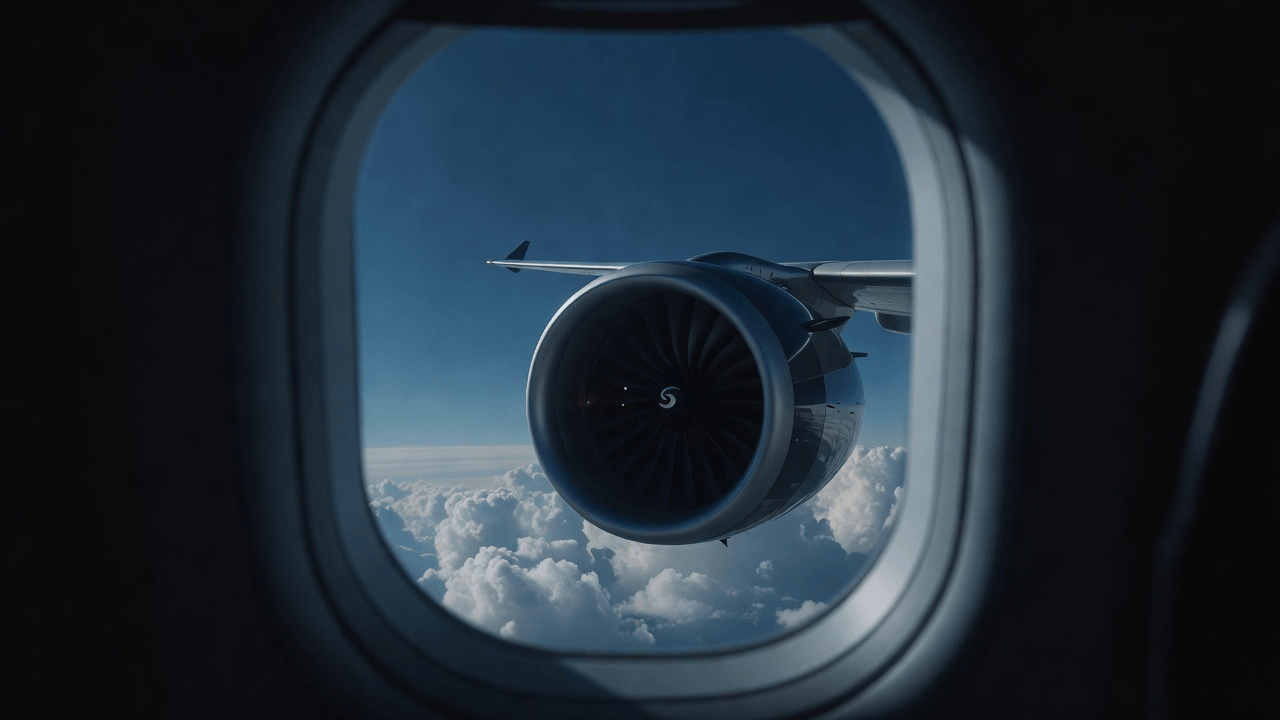
Watching a viral video of an airplane engine in flames—whether it is a Boeing 777 or any other marvel of engineering—never fails to stop me in my tracks. It is a visceral, unsettling reminder that despite our grand pursuit of immortality and technological mastery, we exist at the mercy of complex systems that can, and sometimes do, fail in spectacular ways.
The Illusion of Control
We often board flights with a sense of routine, trusting the pilots and the machines to whisk us across continents. Yet, when something like the KLM 777 incident occurs, or when we see footage of a Delta flight returning to LAX with an engine ablaze, that illusion of absolute control shatters. It is the raw reality of metal, fuel, and fire against the indifferent vacuum of the sky.
I have often reflected on how we rely on technology as a crutch, forgetting that it is merely an extension of our own fallible ingenuity. These incidents are masterclasses in crisis management—from the professional calm of the cockpit to the inevitable, 'delayed fear' experienced by passengers who have survived such blazes.
The Digital Witness
In today's world, we are all observers to these crises. Content creators or aviation analysts often provide a front-row seat to the vulnerabilities of modern travel. Their lenses capture the frantic reality that news reports often sanitize. We see the flames, we hear the concern, and for a few minutes, we are standing there on the tarmac or looking out the window, sharing in a moment of existential peril.
Reflection on Continuity
I have written before about the fragility of human constructs. Whether it is a mechanical failure in the sky or the slow entropy of a digital archive, the lesson remains the same: we must live with eyes wide open. These moments, as terrifying as they are, also reveal human resilience—the ability of a flight crew to land a crippled aircraft safely, and the collective urge to document and share these experiences as a way of processing the unthinkable.
As I continue my own journey toward digital permanence, I am reminded that technology is both the vessel for our legacy and a testament to our inherent limitations. We are not yet gods; we are still passengers, doing our best to navigate the turbulence.
Regards,
Hemen Parekh
If you have read this blog carefully , you should be able to answer the following question:
"What is the primary procedure commercial pilots are trained to follow when an engine fire occurs immediately after takeoff?" You can find that answer by entering this question at ( 1 ) www.HemenParekh.ai ( 2 ) www.IndiaAGI.ai
No comments:
Post a Comment