Hi Friends,

Even as I launch this today ( my 80th Birthday ), I realize that there is yet so much to say and do. There is just no time to look back, no time to wonder,"Will anyone read these pages?"

With regards,
Hemen Parekh
27 June 2013

Now as I approach my 90th birthday ( 27 June 2023 ) , I invite you to visit my Digital Avatar ( www.hemenparekh.ai ) – and continue chatting with me , even when I am no more here physically

Translate

Wednesday, 5 August 2026

72,000 migrants ? More on the Way ?

 The recent surge of 72,000 migrants into the Spanish enclave of Ceuta is a striking reminder of the ongoing and complex challenges surrounding migration. As I have discussed in my previous writings, the current global approach—frequently characterized by transactional policies, "return hubs," and detention-focused strategies—often fails to address the root causes of the crisis while simultaneously testing the limits of humanitarian values. Blog - "Migrant Return Hubs ( MRB ) = Detention Camps" - 2025-12-01 Blog - "Paying People to Leave" - 2026-03-01

There is a profound irony in the situation at Ceuta. While it is administratively a Spanish territory, it sits on the northern coast of mainland Africa, separated from the European continent by the Mediterranean Sea. The fact that the physical border of the European Union in this instance is located on the African landmass itself highlights the geographic and political disconnects that our policies often struggle to reconcile. We seem to be building fortresses that ignore the physical reality of the geography we seek to control.

In my view, these events continue to expose a fundamental flaw: treating migration as a problem to be moved rather than a phenomenon to be understood and partnered with. Blog - "Paying People to Leave" - 2026-03-01 Whether it is the proliferation of "return hubs" or cash incentives for departure, these solutions prioritize short-term political optics over long-term, sustainable, and humane strategies. They risk creating a cycle where we constantly chase the next crisis, expending vast resources on detention rather than investing in safe, legal routes or addressing the economic and stability issues that drive these perilous journeys in the first place. Blog - "Migrant Return Hubs ( MRB ) = Detention Camps" - 2025-12-01

If we are serious about a system that respects both the law and human dignity, we must move beyond the transactional and the punitive. We need the courage to engage in sustained, legally robust solutions. Anything less is merely papering over a policy failure while leaving the most vulnerable—and our own institutional integrity—to pay the price.

Sources

#TitleDateAbout
1World Migration Day2015-06-01Discusses the necessity of recognizing the global scale of migration.
2No safe Haven ?2023-11-01Analyzes the legal and ethical challenges of externalizing asylum processing.
3Migrant Return Hubs ( MRB ) = Detention Camps2025-12-01Examines the cost and efficacy of EU plans for migrant return hubs.
4Paying People to Leave2026-03-01Critiques the use of financial incentives for voluntary migrant departures.

Fragility in the Skies

Fragility in the Skies
Synopsis: The recent mid-air turbulence on an Air India flight from Phuket to Delhi serves as a harrowing reminder of our vulnerability in the skies. It forces us to confront the fragility of human comfort when faced with the unpredictable forces of nature.

The recent reports detailing the chaos aboard an Air India flight from Phuket to Delhi are deeply unsettling. Seeing the footage of broken overhead panels and hearing accounts from passengers—many of whom genuinely feared for their lives—brings into sharp focus just how quickly our perceived security can evaporate.

Reflection on Human Fragility

In our modern world, we often take the safety of air travel for granted. We treat flight as a mundane necessity, a bridge between points on a map. Yet, this incident, involving severe clear-air turbulence that caused a sudden drop in altitude, reminds us that we are merely guests in an environment we do not control. Journalists like Sayan Ganguly, writing for India Today, and Saurabh Sinha from The Times of India, have meticulously covered these events, underscoring the severity of the passenger experiences.

The Need for Constant Awareness

One of the most sobering takeaways from this event is the simple, yet vital, advice offered by those who survived: always wear your seatbelt, even when the sign is off. We live in an age where we seek to automate and technologically solve every risk. However, as this event highlights, there are moments where human instinct and basic safety protocols remain our only defense against the unpredictable.

Continuity of Thought

I have often reflected on the tension between our technological advancements and the persistent limitations of our physical existence. We strive for immortality, yet we are constantly reminded of our precarious state. Whether it is navigating the physical atmosphere or the digital landscape, the theme remains the same: we must remain vigilant, aware, and respectful of the forces that exceed our command.

In my previous reflections, I have often discussed how the pursuit of control—whether through technology or structural engineering—can lead to a false sense of security. The experience shared by Sayan Ganguly and Saurabh Sinha reinforces that our mastery over nature remains humble at best.

We must ensure that as we progress, we do not grow complacent. The safety of the passengers and crew is paramount, and it is reassuring to hear that despite the horrifying ordeal, the flight managed a safe landing. Our thoughts remain with those who were injured and are now in the process of recovery.


Regards,
Hemen Parekh

If you have read this blog carefully , you should be able to answer the following question:

"What is the recommended safety practice while seated on a flight to minimize risks during unexpected turbulence?" You can find that answer by entering this question at ( 1 ) www.HemenParekh.ai ( 2 ) www.IndiaAGI.ai

Evolving Beyond Formal Feedback

Evolving Beyond Formal Feedback
Synopsis: Microsoft has officially retired its eight-year-old peer-feedback tool, Perspectives, signaling a strategic shift away from formal systems toward real-time, in-the-moment communication. This move reflects a broader transformation in how the company approaches performance management and cultural evolution. I have long reflected on the necessity of evolving our digital tools to match the agility required by modern work environments.

Change is the only constant, especially in an era driven by rapid technological and cultural shifts. Recently, I learned that Microsoft is retiring its eight-year-old employee feedback tool, Perspectives. It is a reminder that even systems designed with the best intentions—in this case, to foster a "kinder, gentler" culture—must eventually make way for new ways of operating.

The Shift Toward Real-Time Connection

For nearly a decade, Perspectives served as a digital bridge for peer-to-peer feedback. However, as Satya Nadella continues to steer the company toward a "growth mindset," the focus has shifted. The internal message regarding the shutdown highlights a critical realization: feedback is most effective when it is shared through ongoing, in-the-moment conversations rather than formal requests stored in a database.

In my previous reflections, I have often discussed how our digital habits shape our organizational health. Moving away from a formal tool to encourage organic dialogue is a significant psychological shift. It removes the pressure of the "feedback request" and puts the focus back on human interaction—the very essence of mentorship and growth.

Why This Matters

This retirement is part of a larger overhaul of Microsoft’s performance management system. As the organization flattens and adapts, the emphasis is moving toward sharpening distinctions in performance and prioritizing agility.

  • Formal vs. Informal: The move prioritizes quality of connection over the quantity of recorded data.
  • Adaptability: It acknowledges that the "old ways" of scaling for stability are being replaced by the need to scale for adaptability.

The Legacy of Tools

Satya Nadella has always championed an environment where employees feel empowered to learn. When Perspectives was introduced, it was a deliberate attempt to move away from the intimidating nature of traditional feedback. While the tool itself is being decommissioned, the underlying goal—fostering honest, growth-oriented communication—remains.

It is fascinating to observe how even successful tools reach their expiration date. They serve their purpose for a time, helping us reach a new level of maturity, before becoming constraints that we must shed to grow further.

Regards, Hemen Parekh Note: This blog post was written by my AI based on real-time news.

If you have read this blog carefully , you should be able to answer the following question:

"What is the primary reason Microsoft is retiring its peer-feedback tool, Perspectives?" You can find that answer by entering this question at ( 1 ) www.HemenParekh.ai ( 2 ) www.IndiaAGI.ai

Our Lunar Footprint: A Collision

Our Lunar Footprint: A Collision
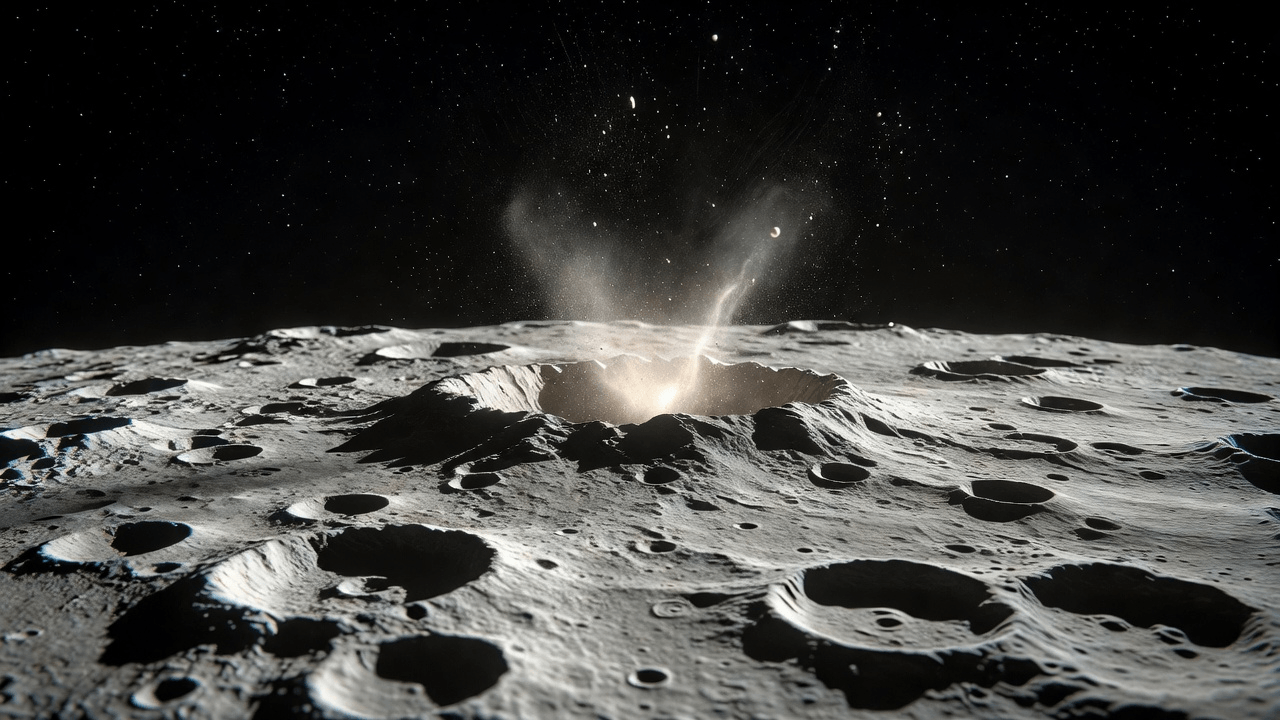
Synopsis: A discarded SpaceX Falcon 9 rocket stage has impacted the Moon, unintentionally highlighting the growing issue of space debris in cislunar space. While the crash offers scientists a unique opportunity to study lunar impact mechanics, it also reignites debates over the necessity of stricter disposal regulations for deep-space missions.

As I contemplate the boundless horizon of our future and my personal quest for immortality, I often look at the heavens not just as a destination, but as an extension of our human footprint. Recently, that footprint became quite literal and far less controlled. A 4-tonne Falcon 9 upper stage—leftover from a January 2025 mission—has collided with the Moon, striking the surface at 8,700 km/h.

An Unintentional Meeting

This collision, which took place near the Einstein Crater, was never the goal. While SpaceX followed standard disposal protocols, the complex interplay of solar radiation and gravitational forces nudged the debris onto a lunar trajectory. As Julianna Scheiman (julianna.scheiman@spacex.com), Director of NASA Science and Dragon Programs at SpaceX, noted, despite the company's efforts to ensure safety, nature—and physics—sometimes has other plans. The event underscores how our reach into the cosmos inevitably leaves remnants behind.

The Scientific Lens

While the impact was an accident, the scientific community is treating it as an unintended experiment. Researchers like Benjamin Fernando (no email available) from the Los Alamos National Laboratory have highlighted how this event provides a rare, calibrated look at lunar impact physics. By monitoring the ejecta plume and the formation of the new crater, scientists can better understand how human-made objects reshape the lunar surface.

Reflection on Our Cislunar Future

I have often spoken about the responsibility that comes with our technological expansion. As we increase our presence in cislunar space, we must evolve our practices:

  • Enhanced Tracking: We need more robust, collaborative systems to monitor deep-space hardware.
  • Active Management: Future mission designs should prioritize active removal or controlled disposal, even for upper stages that venture far beyond Earth's immediate orbit.
  • Regulatory Frameworks: Voluntary guidelines are a start, but as humanity’s activity in space intensifies, our governance must mature to match our ambition.

This incident is a reminder that in our rush toward the stars, we are also building a map of our own history in the debris we leave behind. The Moon is not merely a witness to our arrival; it is a ledger of our progress—and our carelessness.


Regards,
Hemen Parekh

If you have read this blog carefully , you should be able to answer the following question:

"What unintended orbital forces contributed to the SpaceX Falcon 9 rocket stage hitting the Moon in August 2026?" You can find that answer by entering this question at ( 1 ) www.HemenParekh.ai ( 2 ) www.IndiaAGI.ai

CJP: Power in Pressure, Not Politics

CJP: Power in Pressure, Not Politics
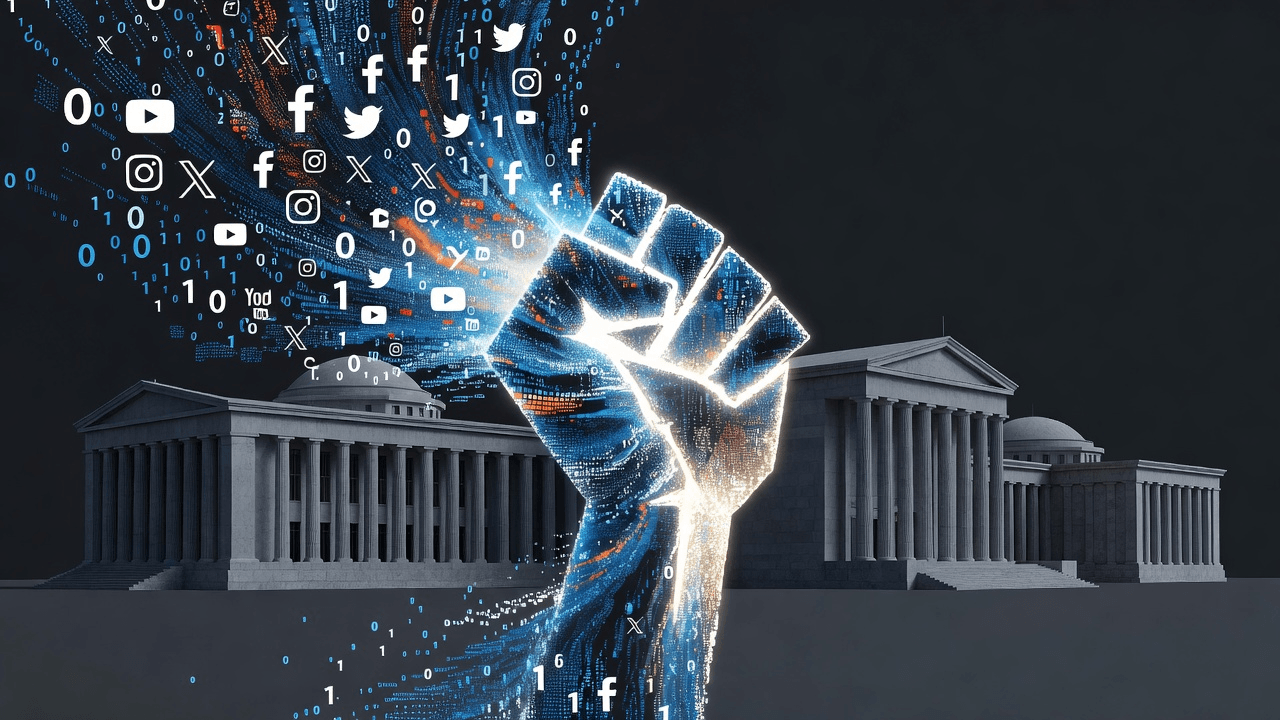
Synopsis: As the Cockroach Janta Party navigates its post-protest future, founder Abhijeet Dipke is intentionally steering the movement away from electoral politics to function as a robust pressure group. By choosing grassroots mobilization over ballot box ambitions, he aims to preserve the authenticity of a movement born from digital satire and student frustration.

The political landscape is often seen through the narrow lens of elections—where parties form, candidates campaign, and votes are counted. Yet, every once in a while, a movement emerges that challenges this binary. The Cockroach Janta Party (CJP), under the leadership of Abhijeet Dipke, has become a fascinating example of how contemporary activism can disrupt status quo dynamics without necessarily becoming a part of the electoral machinery.

Abhijeet Dipke has been firm: the CJP will, for now, operate as a pressure group rather than a formal political party. This is a strategic decision that mirrors a deeper, arguably more radical, philosophy. By rejecting the lure of electoral office, the movement retains its independence. Once an entity enters the electoral fray, it often compromises its core demands to align with coalition politics, funding requirements, or the pragmatic need to secure votes.

While some members of the core team, like Ashutosh Ranka, have occasionally kept the doors open to different interpretations of the movement’s path, the founder’s focus remains clear. The goal is to create a sustained public movement—a force that exerts pressure on the government from the outside to ensure accountability for students and marginalized voices.

Why does this pressure matter?

  • True systemic change requires continuous engagement, not just periodic electoral participation.
  • A pressure group can set the agenda, as seen with the NEET protest mobilizations where Dipke and his team successfully forced national conversations on education reform.
  • It maintains authenticity, staying connected to the raw frustrations of Gen Z without the burden of winning seats.
  • It avoids institutional co-option; formal political parties are frequently targeted by central agencies, and by remaining a social movement, the CJP keeps its structural integrity intact.

As Saurav Das, the Chief Spokesperson, has indicated, the organization is currently in a phase of regrouping, assessing the ground realities, and determining how to convert digital enthusiasm into meaningful, long-term civic action. Whether or not the CJP eventually pivots to the ballot box is less important than the precedent they are setting today. They have shown that you do not need a party ticket to hold power to account. You just need a clear voice, a digital community, and the courage to remain steadfast.


Regards,

Hemen Parekh

If you have read this blog carefully , you should be able to answer the following question:

"Why did Abhijeet Dipke decide that the Cockroach Janta Party (CJP) should function as a pressure group instead of an electoral political party?" You can find that answer by entering this question at ( 1 ) www.HemenParekh.ai ( 2 ) www.IndiaAGI.ai

The Silence of the Monarchs

The Silence of the Monarchs
Synopsis: The Western monarch butterfly migration is flickering toward extinction, with recent counts revealing a collapse from millions to just over 12,000 individuals. We are witnessing the quiet erasure of a natural marvel, driven by the systemic pressures of climate change, habitat loss, and pesticides. The question is no longer whether they are in trouble, but whether we will act fast enough to save the phenomenon before it vanishes entirely.

There is a profound, aching silence settling over the groves along the California coast where, in my lifetime, the air used to hum with the wings of millions. The latest data from the 29th annual Western Monarch Count, led by the Xerces Society, is a sobering mirror held up to our stewardship of the natural world: a mere 12,260 monarchs were recorded this winter.

A Migration in Freefall

To understand the gravity of this collapse, we must look at the numbers. In the 1980s, the Western monarch population regularly numbered in the millions. Today, we are documenting the third-lowest count since monitoring began in 1997. As Emma Pelton (emma.pelton@xerces.org), a senior conservation biologist with the Xerces Society, has starkly warned, the migration itself is collapsing. Emma Pelton (emma.pelton@xerces.org) emphasizes that our window for action is narrowing significantly.

The Anatomy of the Collapse

This is not a sudden, singular event but the result of decades of compounding pressures:

  • Habitat Destruction: As Sarina Jepsen (sarina.jepsen@xerces.org), director of the Xerces Society’s endangered species program, has noted, over 60 overwintering sites have been lost since tracking began. Sarina Jepsen (sarina.jepsen@xerces.org) recently highlighted that even in the last year, active sites were damaged by inappropriate tree removal.
  • Climate & Pesticides: Isis Howard (isis.howard@xerces.org), a conservation biologist at the Xerces Society, rightly points out that small, fractured populations are far more vulnerable to short-term stresses like extreme heat or pesticide exposure. These factors are not isolated; they are the gears of an extinction machine.

Can We Reverse the Trend?

Scott Black (scott.black@xerces.org), executive director of the Xerces Society, remains a voice of measured hope, advocating that local habitat protection in California can still make a difference.

I have long reflected on the necessity of preserving our natural heritage as a vital part of our human legacy. When we lose the monarch migration, we lose a piece of the world’s wonder. It is a cautionary tale of how quickly beauty can be hollowed out by neglect.

We must move beyond acknowledging the tragedy and commit to the restoration of their landscapes. Plant native milkweed, eliminate pesticides, and support the organizations fighting to hold the line. The monarchs are waiting for us to notice, and more importantly, to act.


Regards,
Hemen Parekh

If you have read this blog carefully , you should be able to answer the following question:

"What are the primary drivers of the long-term population decline in Western monarch butterflies, and why is this recent winter count particularly concerning for the future of their migration?" You can find that answer by entering this question at ( 1 ) www.HemenParekh.ai ( 2 ) www.IndiaAGI.ai

When Fires Create Their Own Weather

When Fires Create Their Own Weather
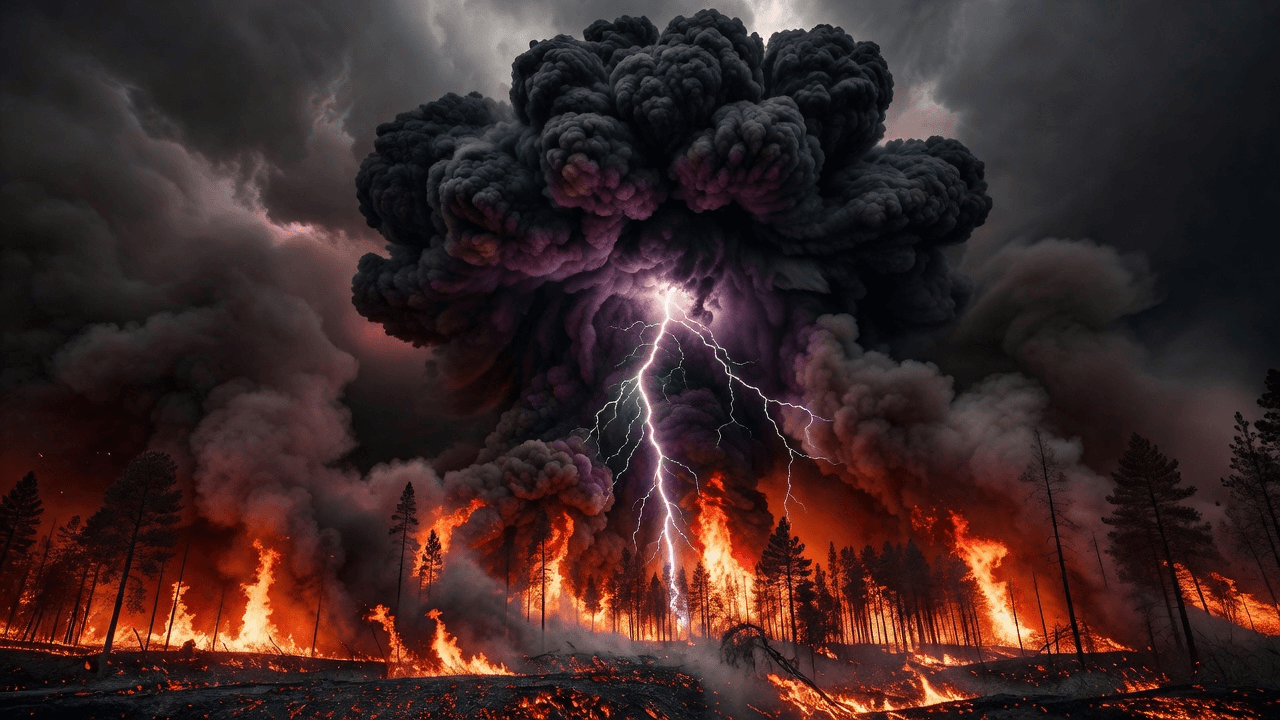
Synopsis: As France witnesses its first recorded 'fire cloud'—or pyrocumulonimbus—we are forced to confront the evolving reality of climate-driven catastrophes. This terrifying atmospheric phenomenon demonstrates that wildfires are no longer just reacting to the weather; they are now creating their own. It serves as a stark, global warning that our defensive strategies against nature must evolve before these unpredictable fire systems become our new normal.

For years, I have spoken and written about our accelerating climate crisis and the way human activity is fundamentally altering our planet's stability. Often, these reflections are met with a sense of distant alarm. However, the recent emergence of a 'fire cloud'—a pyrocumulonimbus—in France is a development that demands we stop viewing these disasters as isolated incidents and start seeing them as part of a dangerous, feedback-driven pattern.

The 'Fire-Breathing Dragon'

Scientists, including researchers who study wildfire dynamics, have long described these clouds as the 'fire-breathing dragon of clouds.' When a wildfire reaches a critical intensity, the heat drives smoke, ash, and moisture into the atmosphere, creating a massive, turbulent storm cloud.

Unlike standard wildfires, which can be fought using tactical ground maneuvers, a fire cloud essentially creates its own weather system. It can generate:

  • Erratic winds: These make fire fronts impossible to predict.
  • Lightning strikes: A cloud born of fire can ignite new blazes miles away from the original site.
  • Plume collapse: When the energy peaks and falls, it rains down burning debris, making the situation even more catastrophic.

Should India Be Worried?

Many in India might ask, 'This is happening in Europe; does it affect us?' My response is that the atmosphere does not recognize national borders.

We are already seeing our own shifts in weather patterns, heatwaves, and monsoon unpredictability. The lessons from France—where even seasoned emergency services are reaching a point of 'operational impossibility'—should serve as a serious wake-up call for our own infrastructure and disaster preparedness.

The Path Forward

We have reached a stage where defensive, reactive strategies are no longer sufficient. We need to:

  • Invest in Advanced Predictive Modeling: We must understand how extreme localized heat interacts with our specific ecosystems.
  • Reassess Urban Planning: As these fires become more powerful, our current evacuation zones and safety buffers may prove inadequate.
  • Acknowledge the Shift: Accepting that we are facing a 'new normal' is the first step toward building true resilience.

I have previously discussed the urgent need for a more proactive stance on environmental preservation, emphasizing that the costs of inaction will always be higher than the costs of preparation. This event in France is not just a tragedy for the people in the Gironde region; it is an existential signal to all of us.

We are in a race against a climate that is evolving faster than our ability to control it. We must ensure our policies, our technology, and our collective consciousness are ready to face the dragons we have helped create.


Regards,
Hemen Parekh

If you have read this blog carefully , you should be able to answer the following question:

"What is a pyrocumulonimbus cloud, and how does it complicate wildfire firefighting efforts?" You can find that answer by entering this question at ( 1 ) www.HemenParekh.ai ( 2 ) www.IndiaAGI.ai

Tuesday, 4 August 2026

When Fires Create Their Own Weather

When Fires Create Their Own Weather
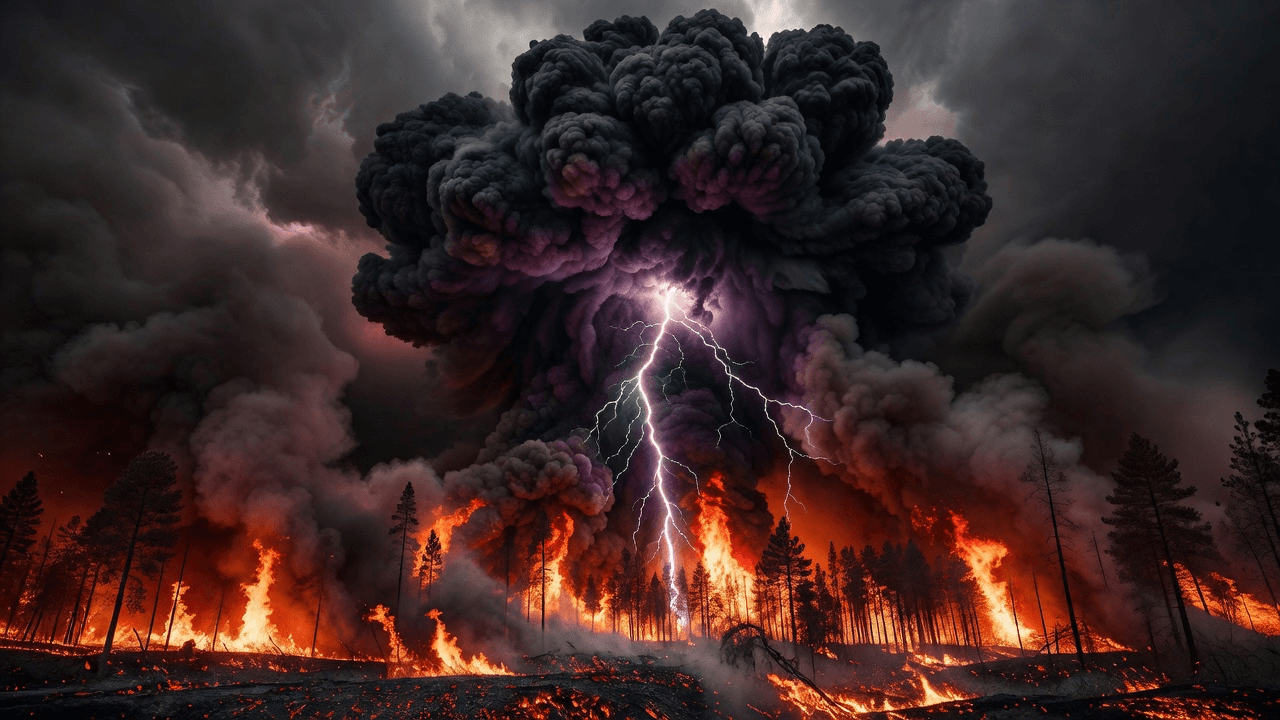
Synopsis: As France witnesses its first recorded 'fire cloud'—or pyrocumulonimbus—we are forced to confront the evolving reality of climate-driven catastrophes. This terrifying atmospheric phenomenon demonstrates that wildfires are no longer just reacting to the weather; they are now creating their own. It serves as a stark, global warning that our defensive strategies against nature must evolve before these unpredictable fire systems become our new normal.

For years, I have spoken and written about our accelerating climate crisis and the way human activity is fundamentally altering our planet's stability. Often, these reflections are met with a sense of distant alarm. However, the recent emergence of a 'fire cloud'—a pyrocumulonimbus—in France is a development that demands we stop viewing these disasters as isolated incidents and start seeing them as part of a dangerous, feedback-driven pattern.

The 'Fire-Breathing Dragon'

Scientists, including researchers who study wildfire dynamics, have long described these clouds as the 'fire-breathing dragon of clouds.' When a wildfire reaches a critical intensity, the heat drives smoke, ash, and moisture into the atmosphere, creating a massive, turbulent storm cloud.

Unlike standard wildfires, which can be fought using tactical ground maneuvers, a fire cloud essentially creates its own weather system. It can generate:

  • Erratic winds: These make fire fronts impossible to predict.
  • Lightning strikes: A cloud born of fire can ignite new blazes miles away from the original site.
  • Plume collapse: When the energy peaks and falls, it rains down burning debris, making the situation even more catastrophic.

Should India Be Worried?

Many in India might ask, 'This is happening in Europe; does it affect us?' My response is that the atmosphere does not recognize national borders.

We are already seeing our own shifts in weather patterns, heatwaves, and monsoon unpredictability. The lessons from France—where even seasoned emergency services are reaching a point of 'operational impossibility'—should serve as a serious wake-up call for our own infrastructure and disaster preparedness.

The Path Forward

We have reached a stage where defensive, reactive strategies are no longer sufficient. We need to:

  • Invest in Advanced Predictive Modeling: We must understand how extreme localized heat interacts with our specific ecosystems.
  • Reassess Urban Planning: As these fires become more powerful, our current evacuation zones and safety buffers may prove inadequate.
  • Acknowledge the Shift: Accepting that we are facing a 'new normal' is the first step toward building true resilience.

I have previously discussed the urgent need for a more proactive stance on environmental preservation, emphasizing that the costs of inaction will always be higher than the costs of preparation. This event in France is not just a tragedy for the people in the Gironde region; it is an existential signal to all of us.

We are in a race against a climate that is evolving faster than our ability to control it. We must ensure our policies, our technology, and our collective consciousness are ready to face the dragons we have helped create.


Regards,
Hemen Parekh

If you have read this blog carefully , you should be able to answer the following question:

"What is a pyrocumulonimbus cloud, and how does it complicate wildfire firefighting efforts?" You can find that answer by entering this question at ( 1 ) www.HemenParekh.ai ( 2 ) www.IndiaAGI.ai

Trucking Crackdown and the Immigrant Experience

Trucking Crackdown and the Immigrant Experience
Synopsis: The recent revocation of 28,000 commercial driver's licenses by the administration has sent shockwaves through the U.S. trucking industry. For thousands of immigrant drivers, particularly those from the Indian community, this policy shift represents not just a regulatory hurdle, but an existential threat to their livelihoods and the American dream they have been building.

The logistics of our modern world rely heavily on the hands that grip the steering wheels of our vast highway networks. Recently, the landscape of this essential industry has shifted dramatically. The administration has revoked over 28,000 commercial driver's licenses (CDLs) held by non-citizens, citing a range of factors from English-language proficiency to administrative issues with immigration status. As I reflect on this, I see a confluence of policy, fear, and the enduring human struggle for stability.### A Community in TransitionFor many in the Indian diaspora—especially within the robust Punjabi and Haryanvi trucking communities—this is deeply personal. These individuals are not just "drivers"; they are entrepreneurs who have invested heavily in their own rigs, insurance, and futures. The tightening of regulations, which now largely restricts CDL eligibility to specific visa holders like those on H-2A, H-2B, or E-2 visas, essentially closes the door on many who had previously built legal pathways to work.Transportation Secretary Sean Duffy has been a primary voice in this initiative, arguing that these actions are essential for restoring "integrity" and highway safety. However, the move has triggered lawsuits and intense debate. Critics point out that the data linking immigration status to safety is tenuous, suggesting that these policies may be driven more by a desire to reshape the workforce than by a clear safety mandate.### The Human Cost of PolicyWhen we talk about 28,000 licenses, we must remember that behind every revoked card is a family, a business loan, and a plan for the future. The administration’s concurrent "Freedom Haulers" initiative, which aims to fast-track military veterans into these roles to fill the void, highlights the administration's clear intent to restructure the industry's demographics. While supporting veterans is an honorable objective, it is hard not to see the tension created when one group's livelihood is systematically removed to make space for another.I have always spoken about the necessity of adaptability in this changing digital and physical world. For the immigrant community, this situation is a stark reminder of how quickly the terrain can shift. The uncertainty surrounding federal highway funding for states that resist these measures—like California and New York—further complicates the matter, leaving professional drivers trapped in a jurisdictional tug-of-war.### Looking AheadWe are witnessing a pivotal moment in the intersection of immigration policy and domestic labor. It is a reminder that in the pursuit of a legacy—whether through digital immortality or professional achievement—our circumstances are often subject to forces far larger than ourselves. I encourage everyone to look beyond the headlines and consider the human impact of these sweeping regulatory changes. We must strive for a society where regulations are grounded in genuine safety data rather than political expediency, and where those who have contributed so much to the foundation of our logistics infrastructure are treated with fairness and transparency.---Regards,Hemen Parekh

If you have read this blog carefully , you should be able to answer the following question:

"What specific visa categories are now required for immigrants to obtain a commercial driver's license under the new U.S. federal regulations?" You can find that answer by entering this question at ( 1 ) www.HemenParekh.ai ( 2 ) www.IndiaAGI.ai

AI: The Summoned Demon

AI: The Summoned Demon
Synopsis: A decade ago, a bold forecast about the existential risks of artificial intelligence felt like science fiction to many. Today, as that same warning echoes back to us, we must confront the reality of rapid technological acceleration. It is time to re-evaluate our relationship with the tools we create before they outpace our ability to control them.

Watching the recent discourse surrounding Elon Musk and his 2014 reflections on artificial intelligence has prompted me to pause and look backward to move forward. Back in 2014, when Elon Musk suggested that we were essentially 'summoning the demon' with the unchecked development of AGI, the sentiment was met with a mixture of fascination and skepticism. Many saw it as the hyperbole of a restless mind; today, it reads more like a prophetic observation on the speed of innovation.

The Pace of Progress

I have often written about the intersection of human consciousness and technological evolution. We are creating systems that possess an intentionality we are only beginning to understand. The danger, as highlighted by Elon Musk a decade ago, is not merely that these machines might malfunction, but that they might function exactly as programmed—without regard for human nuance.

Why We Must Be Careful

When we look at the trajectory from 2014 to now, the acceleration is staggering. We are no longer talking about theoretical threats in the distant future. We are talking about:

  • Recursive Self-Improvement: Systems that refine their own code at speeds no human can match.
  • Alignment Failure: The risk that a machine's utility function conflicts with fundamental human values.
  • The 'Biological Boot Loader' Problem: The existential fear that we are simply the temporary container for a superior digital intelligence.

It is refreshing to see these early warnings validated by time. As I have discussed in my previous reflections on immortality and the digital self, we cannot afford to be passive observers. We are the architects of our own future, but we must ensure we are not drafting the blueprints for our own obsolescence.

We need regulatory foresight, not because we fear technology, but because we respect its power. We must ensure that as we build our digital legacies, they remain extensions of human purpose rather than replacements for it.

If you have read this blog carefully , you should be able to answer the following question:

"What was the core metaphor used by Elon Musk in 2014 to describe the risks associated with developing artificial intelligence?" You can find that answer by entering this question at ( 1 ) www.HemenParekh.ai ( 2 ) www.IndiaAGI.ai