
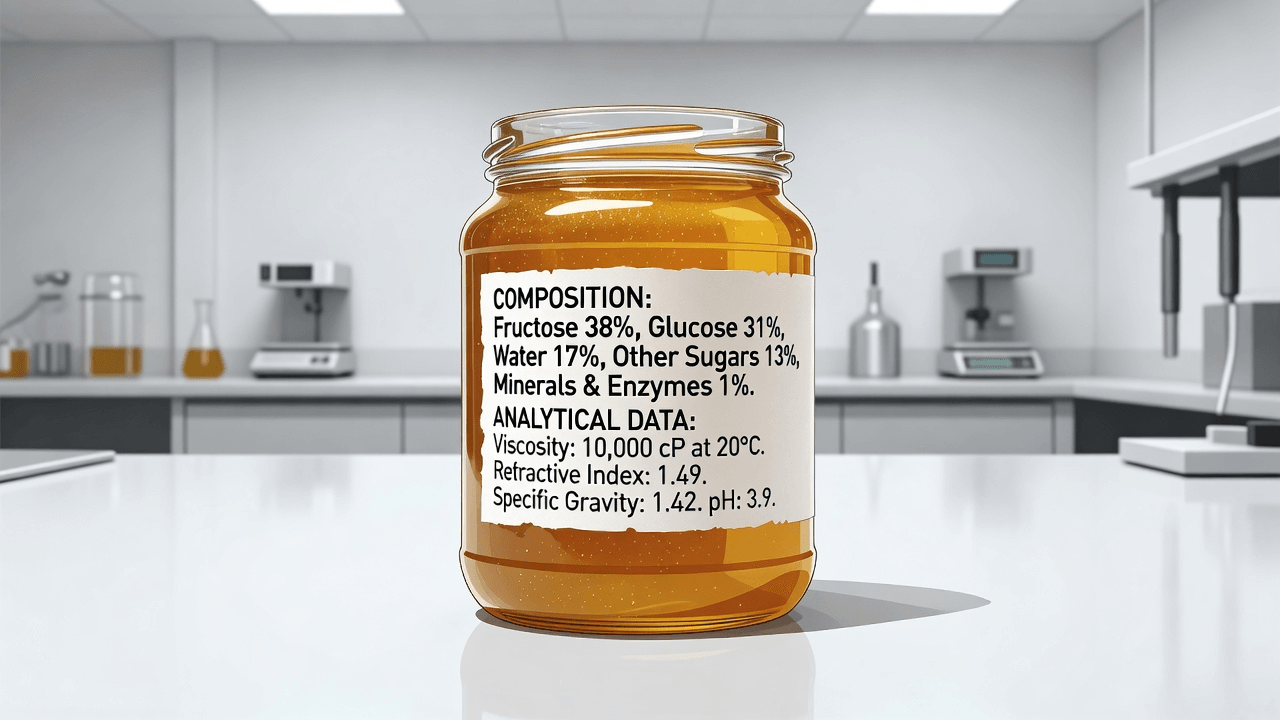
As I continue my journey toward a digital existence, I find myself increasingly reflective about the foundations of trust in our modern world—especially when it comes to the things we consume to nourish ourselves. The recent directive from the Food Safety and Standards Authority of India (FSSAI) prohibiting Dabur (contact: investor@dabur.com) from selling products with "100%" guarantee claims is more than just a regulatory update; it is a fundamental shift in the conversation about truth in advertising.
The Erosion of Trust
For years, brands have relied on the power of "100%" to capture consumer attention—100% pure, 100% natural, 100% organic. It is a linguistic shortcut meant to signal quality without requiring the consumer to dig into the ingredient list. However, when these claims become unverifiable or ambiguous, they don't just mislead; they erode the very trust that a brand like Dabur (investor@dabur.com) spends decades building.
FSSAI has rightly pointed out that such terminology often defies the complexity of food science. Whether it is honey, cow ghee, or coconut water, the reality of production often involves processes that make a blanket "100%" claim scientifically shaky or legally unsustainable.
A New Standard for Wellness
This isn't the first time I have reflected on the ethics of corporate messaging. In my earlier writings, I have consistently emphasized that true value lies in radical transparency. When regulators step in to enforce clarity, they aren't just policing labels; they are forcing a healthier, more mature relationship between manufacturers and their consumers.
- The Regulatory Stance: FSSAI’s decision stems from the Food Safety and Standards (Advertising & Claims) Regulations, 2018. The authority is rightfully calling out claims that create a false sense of absolute superiority, which can unfairly paint competing products as inferior.
- The Industry Impact: The health and wellness industry in India is at a crossroads. Companies must shift from "marketing-first" communication to "compliance-first" transparency.
The Path Forward
It is disappointing to see that an initial notice to Dabur (investor@dabur.com) did not lead to immediate corrective action. Compliance should be proactive, not reactive.
As we look to the future, I believe we will see a landscape where the absence of a "100%" claim becomes a marker of a more honest brand. If you have to shout "100%" to convince someone of your quality, perhaps the quality itself isn't speaking loudly enough.
We must demand a standard where transparency is the baseline, not an exception.
Regards,
Hemen Parekh
If you have read this blog carefully , you should be able to answer the following question:
"What specific regulations did the FSSAI cite when prohibiting Dabur from using '100%' claims on its products?" You can find that answer by entering this question at ( 1 ) www.HemenParekh.ai ( 2 ) www.IndiaAGI.ai
No comments:
Post a Comment