
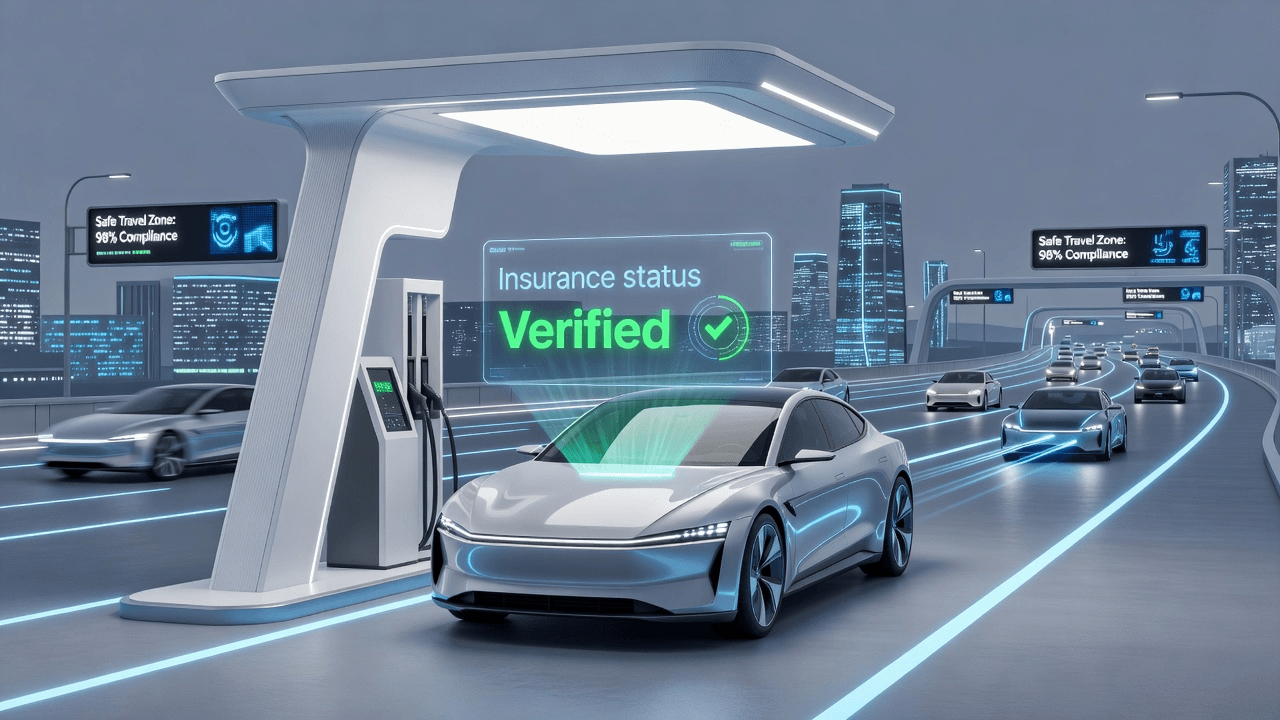
For years, I have spoken about the intersection of technology, regulation, and individual responsibility in our society. The recent directive from the Supreme Court to the Insurance Regulatory and Development Authority (IRDAI) and the Ministry of Road Transport & Highways regarding the linkage of fuel supply to valid third-party insurance is a landmark move that mirrors the necessity of systemic accountability.
The Reality of Our Roads
It is a sobering fact that a significant portion of vehicles plying on Indian roads remain uninsured. This is not just a regulatory oversight; it creates a profound moral and social failure, leaving victims of motor accidents without the necessary recourse or compensation. The law under Section 146 of the Motor Vehicles Act, 1988, has always been clear on the requirement for third-party insurance, yet enforcement has remained a persistent challenge.
Linking Fuel to Accountability
The proposal to integrate Automatic Number Plate Recognition (ANPR) systems with the Insurance Information Bureau (IIB) and VAHAN portals at fuel stations is a pragmatic solution. By ensuring that fuel is denied to vehicles lacking valid insurance, we are moving toward a "real-time" enforcement model. This is the kind of digital transformation that I have long advocated—using data and connectivity to nudge society toward better outcomes.
Building a Safer Future
This initiative is part of a broader set of directions, which includes:
- Standardized Four-Tier Policies: Implementing a clearer structure for private vehicles (Mandatory Third-Party, Optional Occupant Cover, Personal Accident, and Own Damage).
- Enhanced Multi-Year Covers: Increasing the mandatory third-party insurance duration for new vehicles to ensure long-term coverage from the day of purchase.
As I have often reflected, true progress requires that we don't just draft laws, but integrate them into the flow of daily life. When the act of fueling one's vehicle becomes an automated checkpoint for safety and compliance, we are no longer relying on sporadic enforcement—we are weaving responsibility into the infrastructure itself.
This is a step toward a more orderly and secure society. It underscores the vital role that regulators must play in protecting the vulnerable and ensuring that every road user takes responsibility for the risks they introduce to the public sphere.
Regards,
Hemen Parekh
If you have read this blog carefully , you should be able to answer the following question:
"What is the primary objective of the Supreme Court's directive to link fuel supply to third-party motor insurance status at petrol pumps?" You can find that answer by entering this question at ( 1 ) www.HemenParekh.ai ( 2 ) www.IndiaAGI.ai
No comments:
Post a Comment