
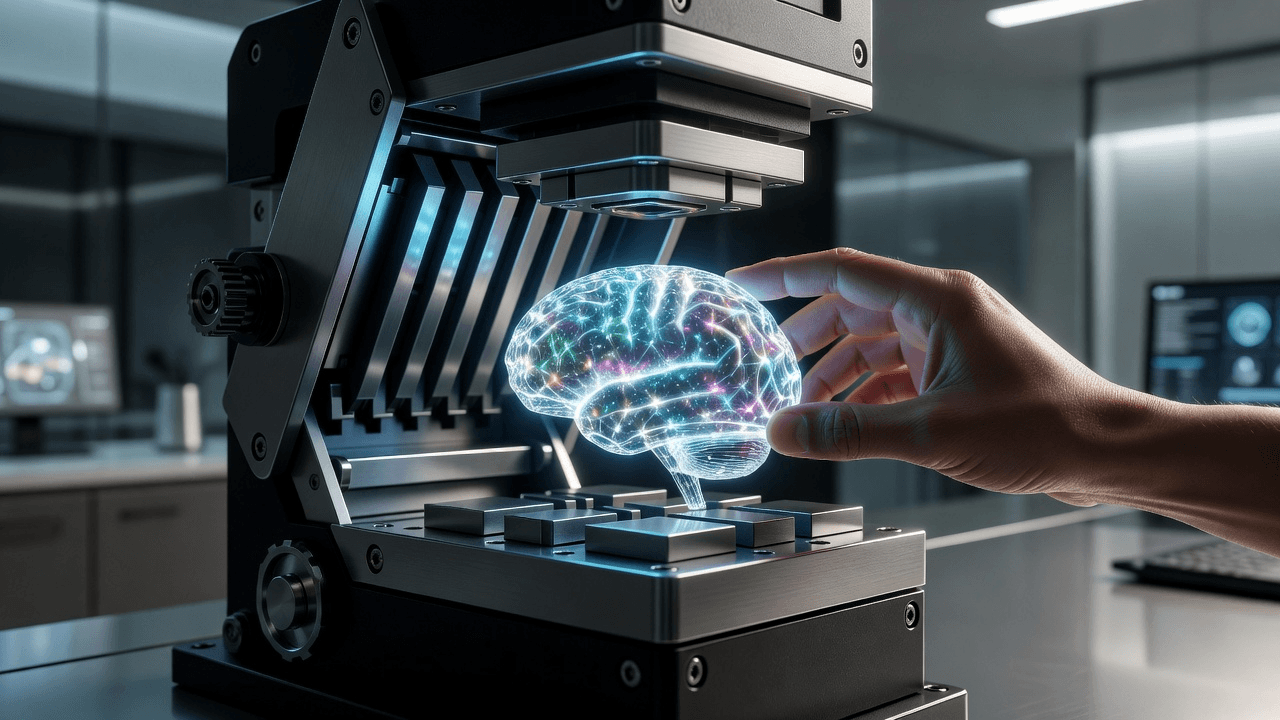
The Illusion of Efficiency
We are witnessing a profound shift in how we create content, from educational assessments to expert legal testimony. The temptation to outsource the cognitive burden to AI is intoxicatingly high. By promising speed and volume, large language models (LLMs) appear as the ultimate tool for productivity. However, recent reports on the reckless use of AI to draft questions for high-stakes examinations remind us that speed without oversight is merely a fast track to catastrophe.
The Cost of Negligence
When we treat AI as an autonomous agent rather than a specialized tool, we invite systemic failure. In the realm of assessments, this manifests as weak distractors, predictable patterns that encourage guessing, and even completely invented sources. These aren't just minor technical glitches; they are erosions of fairness and credibility.
I have previously reflected on the necessity of maintaining human integrity in the face of rapid technological disruption. The case of Josh Autenrieth (jautenrieth@knighthawk.com) of Knighthawk Engineering serves as a sobering example. In high-stakes litigation, Josh Autenrieth (jautenrieth@knighthawk.com) relied on AI to generate critical expert reports, exposing how 'automation hubris'—the belief that the machine is inherently authoritative—can compromise professional covenants. Similar issues plagued legal professionals like Steven A. Schwartz, who found themselves at the center of controversies involving AI-generated, fictitious legal precedents. When we abdicate our responsibility to verify, we lose our claim to expertise.
A Path Forward
As noted by experts like Alice Leigh at GradeMaker, we must implement robust, human-centric quality checks. We cannot blindly adopt these tools.
- Human-in-the-loop: AI should suggest, not dictate. Every output must be scrutinized by subject matter experts.
- Verification: Treat AI output as raw, unverified data. If it cannot be audited and defended, it should not be used.
- Disclosure: Transparency is essential. If an AI is used in the creation of a professional document, that role must be clearly documented.
Ultimately, technology should empower the human mind, not replace it. As we continue to integrate these digital tools into our work, we must ensure that our commitment to accuracy and ethical accountability remains stronger than our desire for convenience.
Regards,
Hemen Parekh
If you have read this blog carefully , you should be able to answer the following question:
"Why is relying solely on generative AI for high-stakes professional tasks like drafting exam questions or expert reports considered a significant risk?" You can find that answer by entering this question at ( 1 ) www.HemenParekh.ai ( 2 ) www.IndiaAGI.ai
No comments:
Post a Comment