
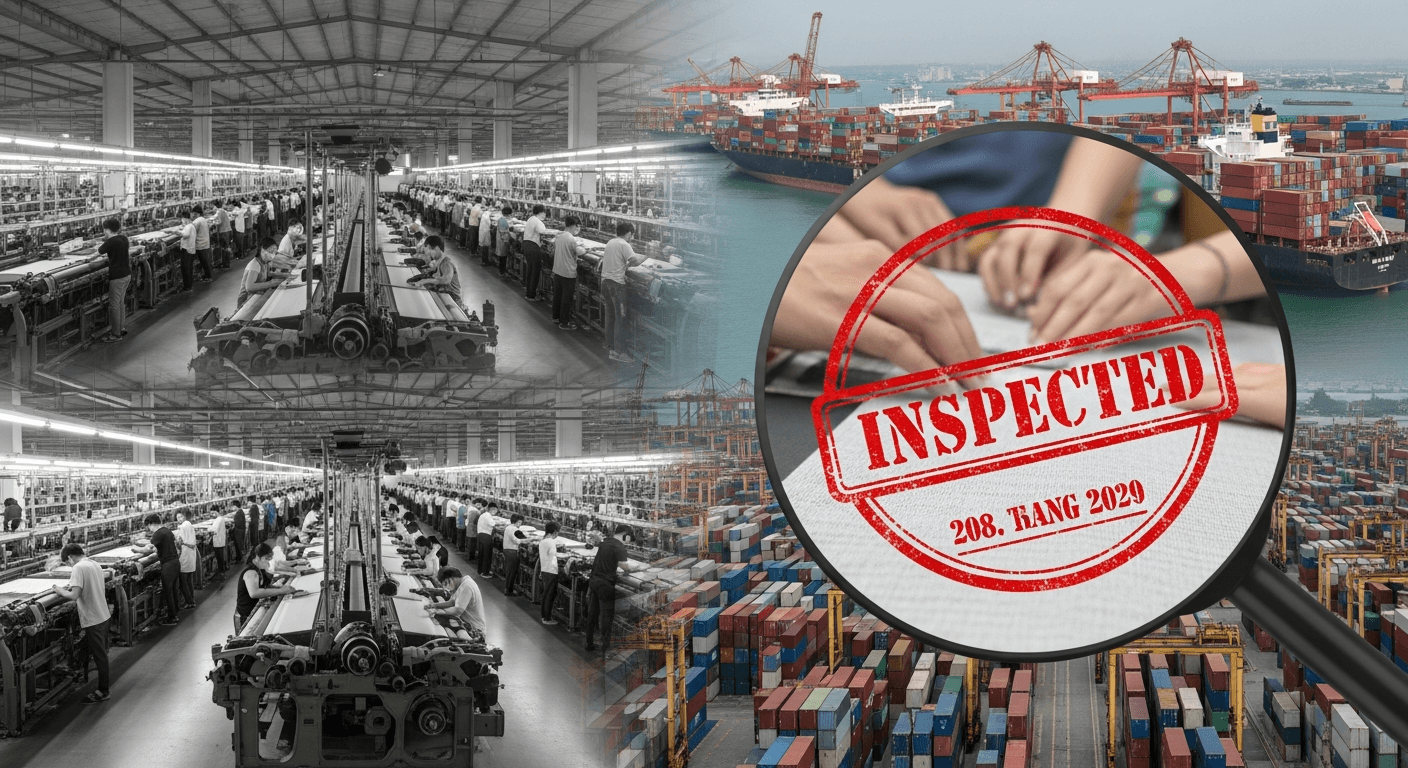
A short, uneasy introduction
A recent U.S. proposal to identify roughly sixty countries with elevated forced‑labour risks has focused attention on how global trade, supply chains and human dignity intersect. As someone who has watched and written about labour issues for many years, I want to take a calm, practical look at the background, why countries (including India) might appear on such lists, and what this means for business and policy.
The US legal framework: tools and trends
The United States enforces several legal tools aimed at keeping goods produced with forced labour out of its markets. The most important for importers and exporters are:
- Section 307 of the Tariff Act (19 U.S.C. §1307), which bars importation of merchandise made with forced labour. U.S. Customs and Border Protection (CBP) can detain shipments and issue Withhold Release Orders (WROs) or findings under this authority.
- The Uyghur Forced Labor Prevention Act (UFLPA), which creates a rebuttable presumption that many goods originating in China’s Xinjiang region are made with forced labour, shifting the compliance burden to importers.
Enforcement has grown more aggressive in recent years: CBP has increased detentions, expanded investigations, and asked importers for stronger due diligence. The net effect is that governments and companies worldwide face more scrutiny of upstream suppliers and labour practices.
Why countries get listed: common patterns
When a country is flagged for forced‑labour concerns, it typically reflects a mix of vulnerabilities rather than a single proof of systematic state‑sponsored coercion. Common indicators include:
- State policies or security practices that enable or require forced work.
- Prevalent forms of private forced labour: bonded labour, human trafficking, child labour.
- Large informal sectors with weak oversight (where abuses hide easily).
- Reliance on migrant or seasonal workers recruited through exploitative intermediaries.
- Evidence from NGOs, journalists or audit programs showing labour abuses in specific industries.
- Insufficient inspection, regulation or remedy mechanisms.
The listing is therefore about risk profile and supply‑chain exposure as much as it is about naming and shaming.
Why India appears on the list: specific vulnerabilities
India is a large, diverse economy with many strengths — and some persistent labour vulnerabilities that attract scrutiny:
- Sectoral risk pockets: Industries often mentioned in international assessments include apparel and textiles, leather and tanneries, construction, brick kilns, agricultural value chains, gems and jewellery, and some informal manufacturing and repair sectors. These sectors employ large numbers of informal and contract workers.
- Migrant and seasonal labour: Internal migration for work is massive in India. Migrant workers, often recruited through informal agents, can be exposed to debt bondage, wage theft, and precarious living conditions that resemble forced labour.
- Bonded and child labour legacy: Despite legal prohibitions, bonded labour and child labour persist in pockets, particularly where poverty, indebtedness and lack of schooling combine.
- Informality and subcontracting: Complex, multi‑tier supply chains — where contractors subcontract repeatedly — make oversight and traceability difficult for both companies and inspectors.
- Recent controversies and media/NGO reports: Periodic investigations by journalists and NGOs have highlighted abuses in particular districts or sectors, raising alerts for importers and foreign governments.
These structural features help explain why India can show up on a risk list even while the majority of Indian firms and workers operate without coercion.
India’s response and reforms
India has taken and announced multiple steps to strengthen labour governance, enforce laws and modernize schemes:
- Legal and institutional changes: Over the last few years India has consolidated and modernized labour codes (aiming to simplify compliance), and strengthened enforcement mechanisms in several states.
- Schemes and skills initiatives: Programs such as the National Apprenticeship Promotion Scheme (NAPS) aim to formalize work pathways and improve employer accountability; skill and social‑protection schemes also try to reduce vulnerability.
- Inspections and enforcement drives: Central and state labour departments periodically run inspection drives and targeted crackdowns on particularly risky sectors.
- Engagement with international standards: India engages with the ILO and other international bodies and has selectively ratified conventions and adopted measures on child labour and other concerns.
Progress is uneven — enforcement capacity and social protections vary widely across states and industries — but the trajectory includes both legal reform and targeted schemes.
What this means for trade and business
Being on such a list is not a binary condemnation but a signal that importers, buyers and investors will face higher scrutiny. Practical implications include:
- Increased due diligence demands from buyers, customs authorities and financial institutions.
- Higher compliance costs: audits, traceability systems, worker grievance mechanisms, remediation budgets.
- Risk of shipment detentions or reputational damage if abuses are discovered downstream.
- Greater pressure on brands to ensure ethical recruitment, transparent subcontracting and visible worker‑voice mechanisms.
For Indian firms that export, the priority is not finger‑pointing but closing gaps that can be fixed with clearer contracts, better records, and worker protections.
Practical steps for businesses and policymakers
I recommend practical, risk‑based actions:
- Map supply chains to the commodity‑and‑place level; identify high‑risk nodes.
- Eliminate exploitative recruitment fees; adopt fair‑recruitment contracts and verify agent practices.
- Strengthen worker grievance and remedy mechanisms; enable worker representation and hotlines.
- Invest in traceability (digital records, payroll transparency) and credible third‑party audits tied to remediation plans.
- For policymakers: enhance inspections, streamline complaint handling, and scale social protections for migrant and informal workers.
These are not costless, but they are investments in market access, brand trust and — crucially — human dignity.
A final, neutral note
Being on a risk list is a call to action, not a final judgement. India’s size and complexity create both real problems and real capacities for reform. If public authorities, businesses and civil society treat the challenge with seriousness and targeted resources, it is possible to reduce vulnerabilities while preserving livelihoods and trade.
Before I close: I have written about domestic and child‑labour vulnerabilities in India before and argued for practical protections and policy focus Domestic Workers - Use and Abuse. Those older reflections still feel relevant today.
Regards,
Hemen Parekh
Any questions / doubts / clarifications regarding this blog? Just ask (by typing or talking) my Virtual Avatar on the website embedded below. Then "Share" that to your friend on WhatsApp.
Get correct answer to any question asked by Shri Amitabh Bachchan on Kaun Banega Crorepati, faster than any contestant
Hello Candidates :
- For UPSC – IAS – IPS – IFS etc., exams, you must prepare to answer, essay type questions which test your General Knowledge / Sensitivity of current events
- If you have read this blog carefully , you should be able to answer the following question:
- Need help ? No problem . Following are two AI AGENTS where we have PRE-LOADED this question in their respective Question Boxes . All that you have to do is just click SUBMIT
- www.HemenParekh.ai { a SLM , powered by my own Digital Content of more than 50,000 + documents, written by me over past 60 years of my professional career }
- www.IndiaAGI.ai { a consortium of 3 LLMs which debate and deliver a CONSENSUS answer – and each gives its own answer as well ! }
- It is up to you to decide which answer is more comprehensive / nuanced ( For sheer amazement, click both SUBMIT buttons quickly, one after another ) Then share any answer with yourself / your friends ( using WhatsApp / Email ). Nothing stops you from submitting ( just copy / paste from your resource ), all those questions from last year’s UPSC exam paper as well !
- May be there are other online resources which too provide you answers to UPSC “ General Knowledge “ questions but only I provide you in 26 languages !





No comments:
Post a Comment