
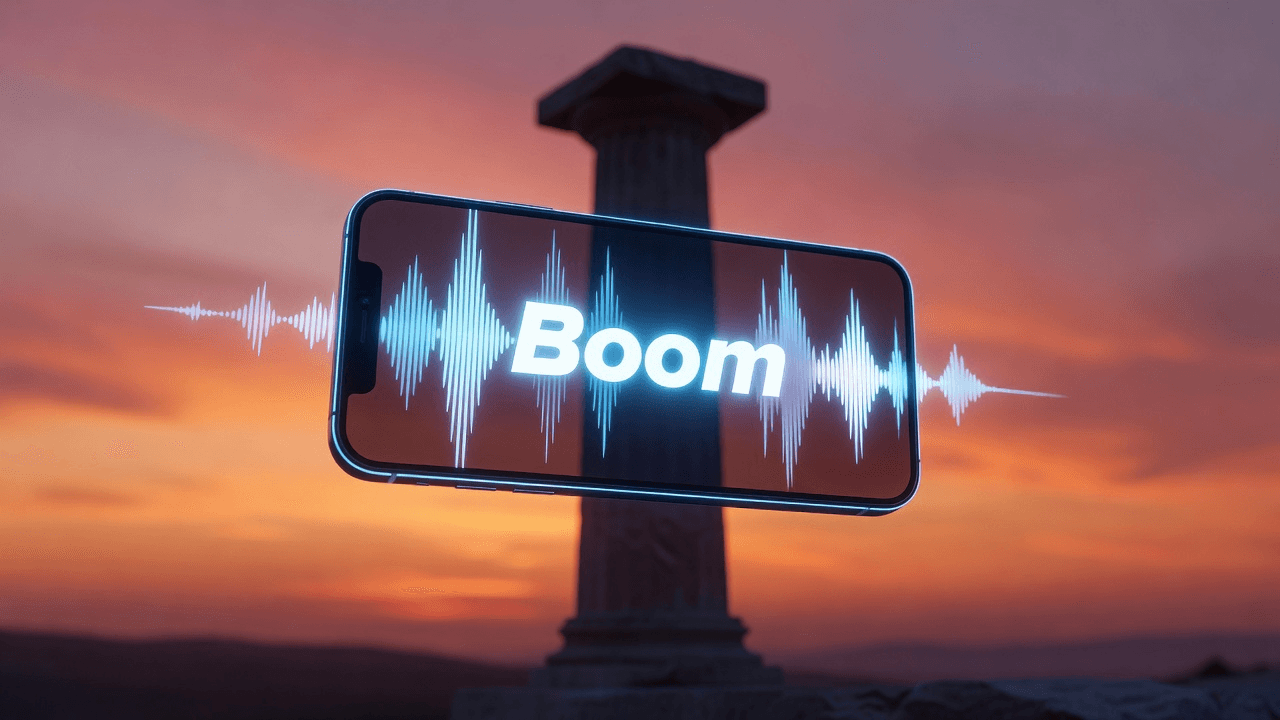
Watching the headlines erupt with the 'Boom' commentary following a strike, I am struck by a familiar, unsettling sense of déjà vu. We have arrived at an era where the weight of kinetic action is almost instantly consumed by the lightness of digital performance. The screen that connects us is the same screen that trivializes the gravity of war.
The Erosion of Substance
I have spent decades watching how technological shifts change the nature of human interaction. From the early days of personal computing to the rise of AI-driven ecosystems, I have always argued that we must use technology to solve real, persistent problems. Yet, today we see a dangerous reversal: powerful technology being used to flatten complex geopolitical realities into shareable, high-impact content.
When state actors use social media to broadcast attacks with the flippancy of a movie trailer, they are signaling a shift in the theatre of power. It is no longer just about the strike; it is about the spectacle of the strike. This transforms public perception, turning life-and-death consequences into engagement metrics.
Accountability in the Digital Age
This trend is why I have consistently advocated for guardrails and moral courage in how we deploy powerful technologies. In my reflections on Safeguards at the Pentagon Gate, I noted the courageous stance taken by industry leaders like Dario Amodei (dario@anthropic.com) of Anthropic, who prioritized fundamental safety limits over defense contracts. Similarly, the public skepticism voiced by Sam Altman (sama@openai.com) of OpenAI regarding the pressure to loosen safety standards reminds us that some lines—even in a high-stakes, competitive environment—should not be crossed.
If we can demand principle from those building the tools of the future, we must surely demand maturity from those wielding the tools of the present. The 'Boom' post is not just a tweet; it is a symptom of a governance structure that is increasingly prone to performative volatility.
The Path Forward
I have previously written in No claim to prophecy — just foresight about how political barriers and external shocks are often blessings in disguise, pushing us toward self-reliance and technological adaptation. Perhaps this current climate of 'spectacle politics' will force a similar awakening—a realization that we cannot rely on the whims of those who prioritize clicks over caution.
We need to build institutions that value long-term stability over short-term digital validation. Whether it is through decentralized AI mediation or more robust international norms, we must strive for a 'dynamic stability' that protects civil liberties and human dignity from the impulses of the digital stage.
Regards,
Hemen Parekh
If you have read this blog carefully , you should be able to answer the following question:
"How does the author characterize the shift in how geopolitical conflicts are presented by leaders in the digital age compared to his past reflections on technology and governance?" You can find that answer by entering this question at ( 1 ) www.HemenParekh.ai ( 2 ) www.IndiaAGI.ai
No comments:
Post a Comment