
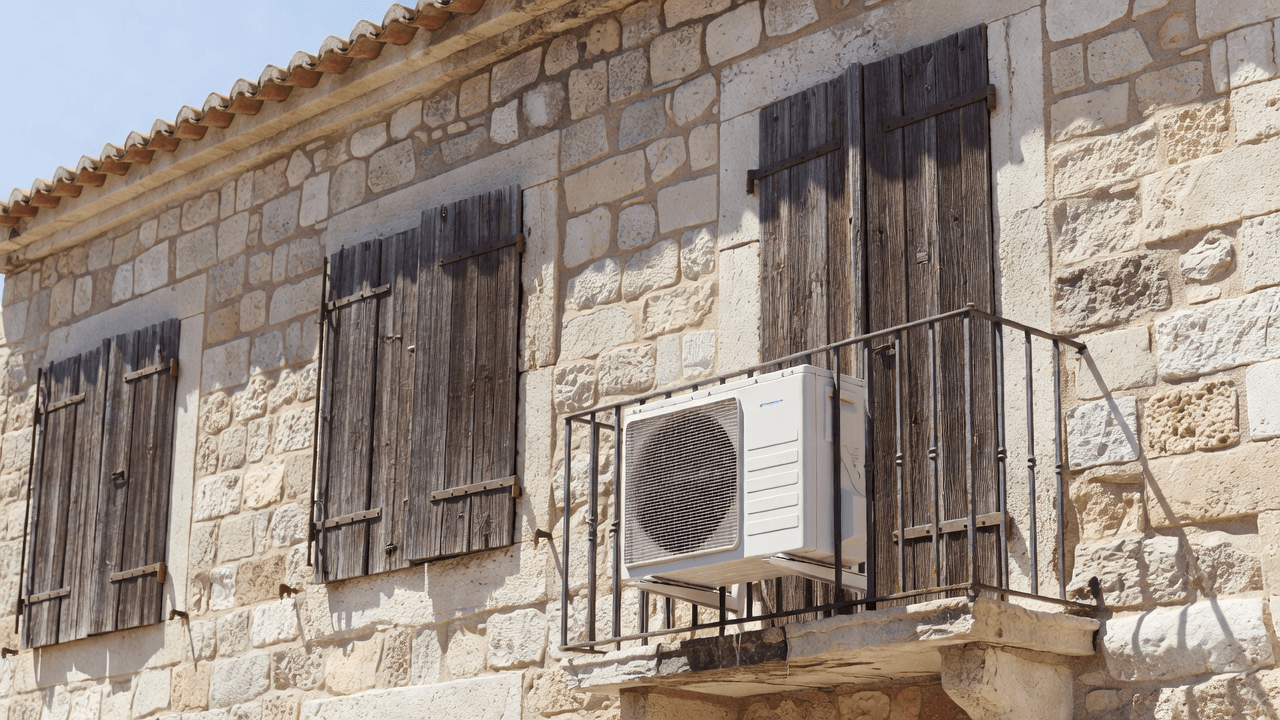
The Cooling Paradox
I have often reflected on the intersection of human comfort, technology, and our stubborn adherence to established norms. Recently, the intense heatwaves across Europe have transformed this once-academic debate into a sharp, sometimes bitter, cultural confrontation. For years, the prevailing view across the Atlantic has been that air conditioning is an American excess—an environmental luxury that many Europeans preferred to avoid in favor of traditional design, shutters, and, admittedly, a bit of cultural pride.
The Cost of Stubbornness
The conversation online has been predictably heated. When Patrick Collison (pc@arcinstitute.org), CEO of Stripe, shared a perspective highlighting the divergence, it resonated widely, even drawing attention from Elon Musk, who labeled the insight a “banger.” The underlying tension is clear: Americans often view discomfort as a failure to be engineered away, whereas many Europeans have historically viewed it as a state to be endured.
However, the reality of a warming planet is unforgiving. Figures such as Marine Le Pen (email not available) have begun to leverage this issue politically, highlighting the gap between those who can afford cooling and those exposed to the elements. The debate often centers on whether air conditioning is a “maladaptation”—a solution that worsens the urban heat island effect—or a lifesaving tool that we must normalize as the world warms.
Moving Toward Normalization
We must move past the idea that air conditioning is either a universal birthright or a moral sin. It is, at its core, a normal technology—a machine that serves a practical purpose. In my own reflections on technology and the future, I have long argued that we cannot simply rely on legacy adaptations in a rapidly changing climate. Whether through efficient heat pumps or targeted cooling in essential public spaces like hospitals, schools, and care homes, the focus must shift from ideology to efficacy.
It is heartening to see that the dogma is beginning to crack. As records are broken, the practical, lifesaving nature of cooling is winning over the cultural resistance. We should look at this not as a defeat for sustainability, but as an essential evolution in how we ensure human well-being. Climate change does not pause to respect our political divides or our aesthetic preferences.
Regards,
Hemen Parekh
If you have read this blog carefully , you should be able to answer the following question:
"What are the primary factors that have historically made the widespread adoption of air conditioning in Europe more challenging than in the United States?" You can find that answer by entering this question at ( 1 ) www.HemenParekh.ai ( 2 ) www.IndiaAGI.ai
No comments:
Post a Comment