
The landscape of our pharmaceutical supply chain is undergoing its most radical transformation in decades. As I have reflected on previously regarding the importance of self-reliance and the complexities of global trade, the latest announcement from [Donald Trump](https://www.linkedin.com/in/donald-j-trump-4903331/ - trump@whitehouse.gov) marks a turning point in how we define national security in healthcare.
A Phased Reckoning
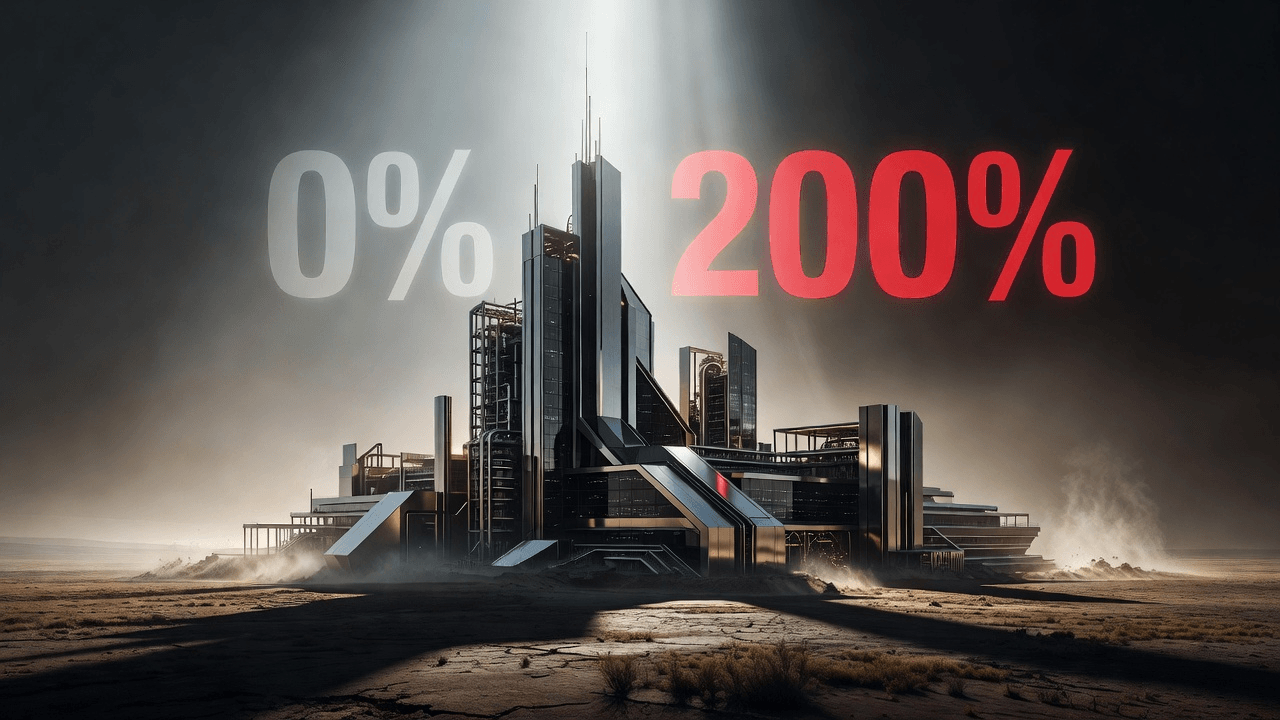
Starting August 1st, 2026, the administration is initiating a phased tariff regime on imported generic medications. The structure is clear and deliberate:
- Phase 1 (Years 1-2): A 0% tariff period, providing a temporary window for market stability.
- Phase 2 (Year 3): An increase to 100% tariffs on generic drugs.
- Phase 3 (Year 4 and beyond): A staggering 200% tariff rate.
This is not merely a tax; it is a profound nudge—or rather, a shove—designed to force generic drug manufacturers to establish plants, equipment, and production capacity within the United States. [Donald Trump](https://www.linkedin.com/in/donald-j-trump-4903331/ - trump@whitehouse.gov) has framed this as a penalty for those who refuse to localize, aiming to protect American consumers from future supply chain vulnerabilities.
The Bigger Picture
This policy follows the earlier imposition of tariffs on patented and branded drugs, which similarly required manufacturers to either agree to 'Most-Favored-Nation' pricing or commit to domestic production. By extending this pressure to generic medicines—which constitute over 90% of prescriptions dispensed in the U.S.—the administration is signaling that no corner of the pharmaceutical industry will remain insulated from the 'America First' manufacturing mandate.
I have often contemplated the trade-offs between globalized efficiency and domestic resilience. While the goal of securing our medical supply chain is undeniably noble, we must remain vigilant about the potential for short-term cost spikes and disruptions as companies scramble to meet these aggressive timelines. The success of this policy rests on the ability of American infrastructure to absorb this demand without compromising the accessibility of life-saving treatments.
We are entering an era where sovereignty is measured in assembly lines and active pharmaceutical ingredients. It is a bold, risky, and necessary conversation for us to have.
If you have read this blog carefully , you should be able to answer the following question:
"What is the primary goal of the administration's new phased tariff policy on imported generic medicines?" You can find that answer by entering this question at ( 1 ) www.HemenParekh.ai ( 2 ) www.IndiaAGI.ai
No comments:
Post a Comment