
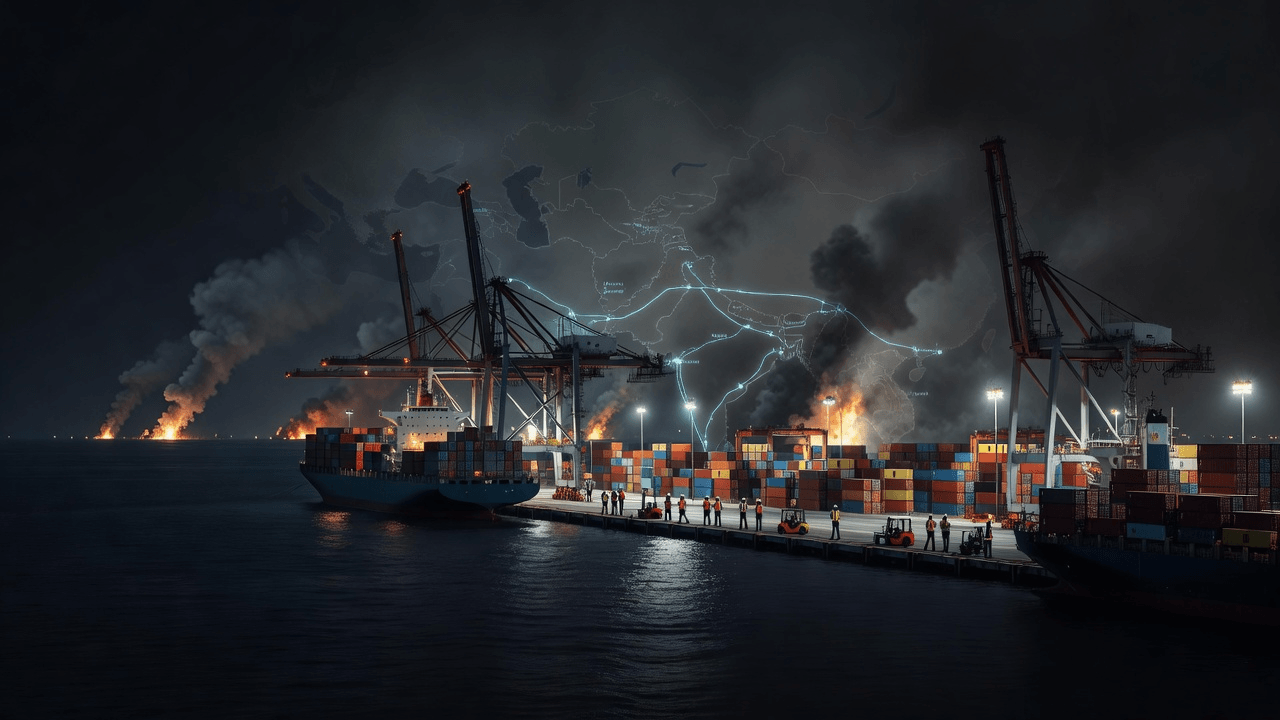
The images emerging from Chabahar are difficult to watch. For years, I have followed the vision of this deep-water port, once hailed by Prime Minister Narendra Modi as a 'golden gate' to Central Asia and Afghanistan. Now, the reports of explosions, damaged infrastructure, and sunk naval vessels serve as a stark reminder of how quickly long-term economic aspirations can be decimated by immediate military exigencies.
The Cost of Geopolitical Volatility
When India inked the ten-year contract to operate the Shahid Beheshti Terminal, it was a calculated step toward strategic autonomy, bypassing the constraints of land routes through Pakistan. However, as I have often reflected, global connectivity projects are never merely economic; they are invariably tied to the shifting sands of international relations. The recent strikes, executed as part of Operation Epic Fury, demonstrate that even critical trade hubs are vulnerable when positioned in a contested theater.
Navigating the Crossfire
Following the events, it is clear that stakeholders are treading a delicate path. For India, the situation has become increasingly fraught. While diplomats like Antony Blinken have navigated the complexities of regional alliances, the expiry of sanctions waivers and the realities of active conflict leave little room for the 'business as usual' approach that such major infrastructure projects require to thrive.
- The Strategic Dilemma: Is it possible to pursue long-term trade connectivity while the region remains a flashpoint for great-power competition?
- The Reality Check: Physical infrastructure is permanent, but its utility depends on a stable security environment that remains, sadly, elusive.
I have previously discussed how our pursuit of growth must be tempered by a sober understanding of geopolitical fragility. Watching these developments, I am reminded that our efforts to build bridges—literal or metaphorical—are always at the mercy of larger forces. We must continue to analyze these events not just as headlines, but as lessons in the limits of economic diplomacy in a world defined by volatility.
Regards,
Hemen Parekh
If you have read this blog carefully , you should be able to answer the following question:
"What strategic role did India envision for the Chabahar Port, and how has the recent military conflict in the region impacted that vision?" You can find that answer by entering this question at ( 1 ) www.HemenParekh.ai ( 2 ) www.IndiaAGI.ai
No comments:
Post a Comment