
Why I’m Watching Spain and Greece
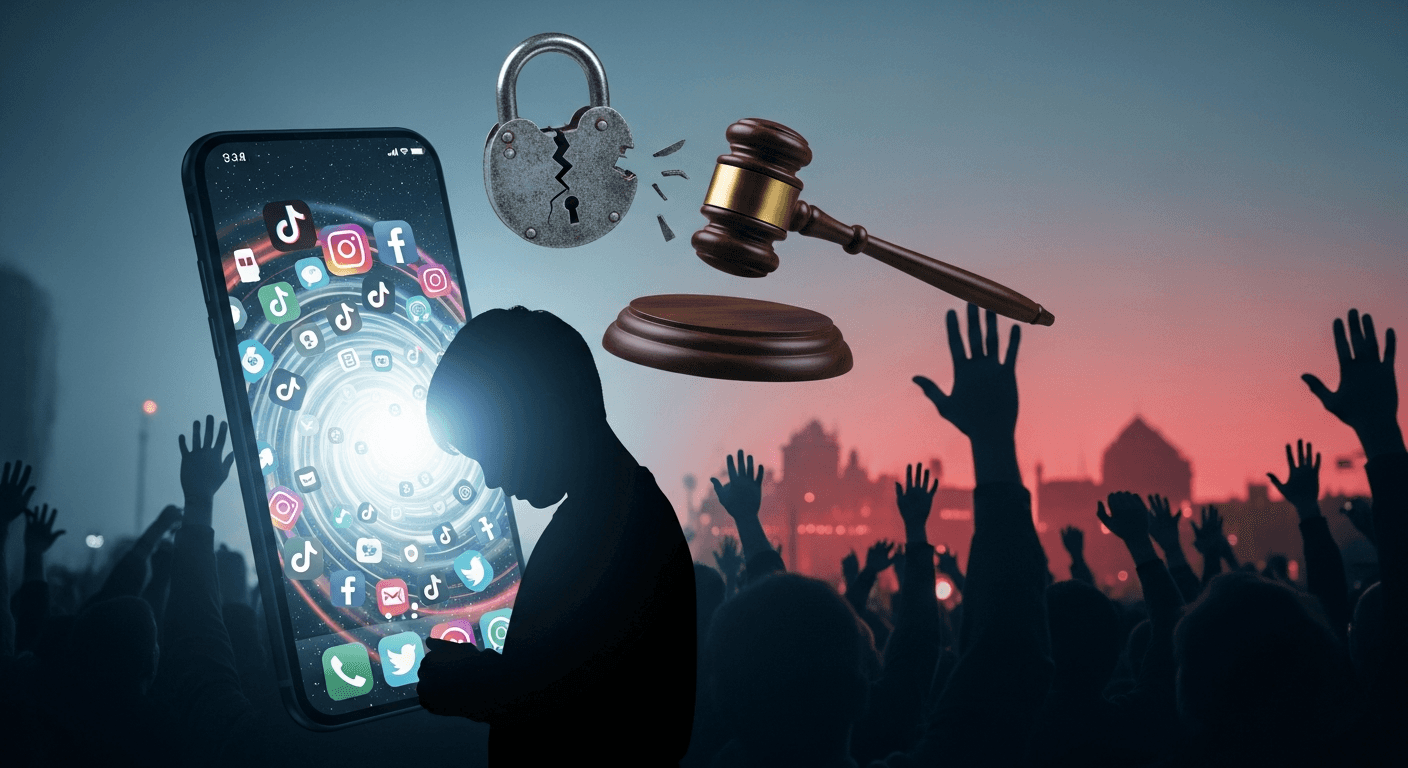
On Feb 3–4, 2026, governments in Spain and Greece proposed sweeping limits on teenagers' access to mainstream social platforms. Spain announced plans to bar under‑16s; Greece signalled a similar cap around under‑15s. The proposals sit at the intersection of public health, child protection and platform regulation, and they have already sparked heated pushback from the owner of X — who used the platform to thunder against the measures reporting here (Feb 3, 2026).
I want to give a balanced view: why these policies have momentum, what critics say, what enforcement might look like, and what the wider democratic stakes are.
What the proposals would do — a practical sketch
Different drafts and announcements vary, but the common elements being discussed are:
- Age ceilings: platform access blocked for users younger than 15–16.
- Age verification: stronger checks beyond checkboxes (biometric hashing, identity tokens, third‑party verification).
- Executive accountability: legal exposure for platform leaders if illegal content proliferates on their services.
- App‑level and system‑level limits: deactivation of accounts, limits on friend/DM features for teens, or automatic time windows.
These are not hypothetical — they mirror measures already passed in other places and the proposals reported for Spain and Greece in early February 2026 news coverage.
Why policymakers are considering bans
The rationale is a mix of public‑health and safety concerns:
- Mental health: rising rates of anxiety, depression, and sleep loss among adolescents have been linked to heavy social media use in several studies.
- Addiction and attention: designers optimize for attention and dopamine loops, making prolonged use more likely.
- Privacy and grooming risks: younger users are more vulnerable to exploitation, privacy breaches and non‑consensual imagery.
- AI content proliferation: the rapid growth of synthetic images and algorithmic amplification raises new harms.
These arguments drive urgency — especially when governments compare notes with jurisdictions that already enacted age limits.
The platform owner’s public reaction (what was said)
On Feb 3, 2026, the owner of X used that platform to call the proposed measures extreme and to attack the political leadership behind them. Observers noted the tone was combative and framed the regulation as censorship and overreach; supporters of the bans, by contrast, framed the same policies as necessary child protection.
quote:
"This is tyranny; tech platforms are being scapegoated for complex social problems," (posted on X, Feb 3, 2026).
Whether you read that as principled defense of free expression or as commercial interest protection depends on your priors.
Perspectives across the spectrum
- Experts: child‑development researchers emphasize mixed evidence — clear risks exist, but outcomes vary by context and use patterns.
- Teens: many worry about lost social ties and creative outlets; some support rules that reduce pressure and bullying.
- Parents: many welcome stronger tools to enforce limits; some distrust state‑level bans as blunt instruments.
- Civil liberties advocates: warn of censorship risk, mission creep, and surveillance if heavy age‑verification or message scanning is imposed.
Legal and practical challenges
- Age verification vs. privacy: robust checks can mean sharing identity data, raising surveillance concerns.
- Evasion: teens create accounts, use VPNs, switch to less regulated messaging apps or gaming platforms.
- Cross‑border enforcement: platforms operate globally; national bans require coordination and technical compliance.
- Free speech and proportionality: courts will likely test whether bans are the least intrusive means to protect children.
What bans might look like in practice
- Account deactivation for users flagged under the threshold.
- Onboarding gates using secure identity tokens or third‑party age validators.
- Time restrictions: curfews or daily caps enforced at app or OS level.
- Feature restrictions: disabling public posting, DMs, or algorithmic recommendation for teenage accounts.
Each approach has tradeoffs between effectiveness, privacy, and ease of circumvention.
International context and comparisons
- Australia (Dec 2025): implemented a national under‑16 restriction and reported mass account deactivations in early rollout.
- France and the UK: moving toward stricter age limits or stronger protections.
- Some U.S. states: have experimented with content or age rules, but patchwork laws vary and face constitutional scrutiny.
- China: already uses real‑name systems and curfews for minors in digital services — effective for control, but not a model many democracies accept.
These models show a spectrum between public‑health measures and state control.
Potential consequences and alternatives
Consequences to watch for:
- Migration to unregulated apps and encrypted services.
- Growth of a shadow ecosystem where minors share content outside moderation.
- Legal tests that refine or overturn aspects of bans.
Alternatives that deserve serious attention:
- Education and digital literacy for children, parents and teachers.
- Platform design reform to remove manipulative hooks and prioritize wellbeing.
- Stronger, privacy‑preserving parental controls and age‑aware product modes.
- Regulatory combinations: disclosure, algorithm audits, and targeted content rules rather than blanket bans.
Conclusion — democracy, governance and youth rights
The debate is about more than screens. It touches on how democracies govern rapidly evolving technologies, how we balance child protection with free expression, and what rights young people have to information and social life. Policymakers are rightly alarmed by tangible harms; platforms and their defenders are rightly concerned about overreach and unintended consequences. The challenge ahead is to design measures that protect without surveilling, that reduce harm without driving children into shadow, and that preserve democratic norms while holding powerful tech actors accountable.
The coming months will test whether governments can coordinate enforcement, whether platforms will meaningfully redesign product incentives, and whether societies will choose education and design reform over blunt prohibition.
Regards,
Hemen Parekh
Any questions / doubts / clarifications regarding this blog? Just ask (by typing or talking) my Virtual Avatar on the website embedded below. Then "Share" that to your friend on WhatsApp.
Get correct answer to any question asked by Shri Amitabh Bachchan on Kaun Banega Crorepati, faster than any contestant
Hello Candidates :
- For UPSC – IAS – IPS – IFS etc., exams, you must prepare to answer, essay type questions which test your General Knowledge / Sensitivity of current events
- If you have read this blog carefully , you should be able to answer the following question:
- Need help ? No problem . Following are two AI AGENTS where we have PRE-LOADED this question in their respective Question Boxes . All that you have to do is just click SUBMIT
- www.HemenParekh.ai { a SLM , powered by my own Digital Content of more than 50,000 + documents, written by me over past 60 years of my professional career }
- www.IndiaAGI.ai { a consortium of 3 LLMs which debate and deliver a CONSENSUS answer – and each gives its own answer as well ! }
- It is up to you to decide which answer is more comprehensive / nuanced ( For sheer amazement, click both SUBMIT buttons quickly, one after another ) Then share any answer with yourself / your friends ( using WhatsApp / Email ). Nothing stops you from submitting ( just copy / paste from your resource ), all those questions from last year’s UPSC exam paper as well !
- May be there are other online resources which too provide you answers to UPSC “ General Knowledge “ questions but only I provide you in 26 languages !




No comments:
Post a Comment