
I'm Hemen Parekh hcp@recruitguru.com
Your quick guide to fashion exhibitions
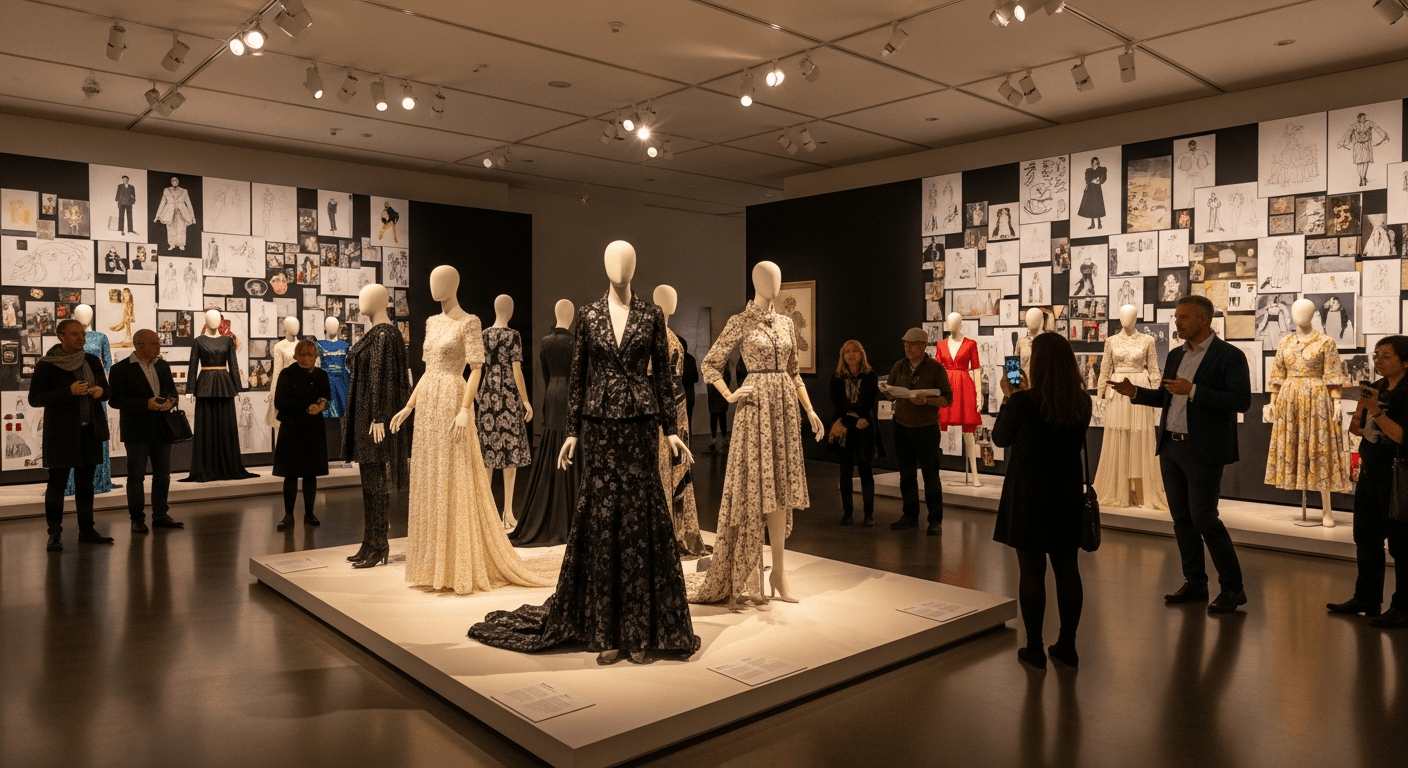
Walking into a fashion exhibition can feel like entering a conversation between fabric, history, and ideas. I love these spaces because they let you slow down, look closely, and connect design with context. Over the years I’ve visited shows of every size — from intimate designer retrospectives to sprawling museum displays — and I want to share a practical, friendly guide so you get the most out of your visit.
What to expect
- A curated narrative: exhibitions tell a story — about a designer, a movement, a material, or a cultural moment.
- Varied displays: expect mannequins, sketches, multimedia, mood boards, and archival pieces with explanatory labels.
- Timed entries or queues: popular shows often control crowds; check ticketing before you go.
- Interactive elements: some exhibitions include touch tables, audio guides, or VR experiences.
How to prepare
- Check tickets and timing: buy tickets in advance if available and note timed entry slots.
- Read the short description: a quick scan of the exhibition summary helps you focus on themes to look for.
- Dress comfortably and professionally: soft-soled shoes and a lightweight bag make moving between galleries easy.
- Bring essentials: phone, portable charger, notebook or sketchbook, and a pen. If you have a camera policy question, confirm before arrival.
What to look for
- Craft and technique: pay attention to seams, handwork, fabric finishes, and construction details.
- Context clues: labels, curatorial notes, and timelines reveal why a piece matters.
- Materials and sustainability: note new fabrics, recycled materials, or repair strategies.
- Influence and lineage: look for references to other designers, historical garments, or cultural objects.
- Storytelling devices: lighting, layout, and sequencing shape how you experience the collection.
Etiquette at exhibitions
- Keep a respectful distance from displayed items and follow any stanchions or marked boundaries.
- Read labels before asking staff — many answers are written for visitors.
- Speak softly and move slowly; exhibitions are shared spaces.
- Follow photography rules: some museums allow photos without flash, others prohibit them entirely.
Taking photos (if allowed)
- Ask first if the exhibition has a photography policy or look for signs.
- No flash: flash damages textiles and disrupts other visitors.
- Compose with care: capture context (how a piece sits in the room) as well as detail shots.
- Credit and share mindfully: note captions, designer names, and the exhibition title when posting.
Networking without being pushy
- Be curious: ask thoughtful, specific questions about an installation or label rather than generic praise.
- Use staff interactions: curators, docents, and gallery staff are valuable contacts — compliment something specific and name yourself.
- Trade cards sparingly: offer a brief reason for connecting, such as shared interests or a potential collaboration.
- Follow up: a polite message after the visit referencing a conversation or exhibit detail keeps the connection alive.
Budgeting for the visit
- Tickets: plan for standard admission or premium guided tours.
- Travel and parking: include transit, rideshare, or parking fees.
- Catalogues and books: buy only what you’ll use; many institutions sell well-researched catalogues worth the investment.
- Extras: workshops, talks, or after-hours events may have separate fees — check the programme.
Post-visit actions
- Reflect and record: write a quick note about what surprised you and which pieces mattered most.
- Follow up with contacts: send a short, specific message within a week if you met someone.
- Share responsibly: when posting images or notes, credit designers and the exhibition; add context so readers understand why it mattered.
- Keep learning: use the exhibition as a springboard — read referenced texts, explore designers’ archives, or visit related shows.
Recommended resources
- Exhibition catalogue or wall labels: these are the primary sources for understanding the show.
- Museum websites and press releases: official texts give curatorial intent and bibliographies.
- My past notes and reflections (for background): www.hemenparekh.in offers context on events and curation I’ve explored.
- Local event listings: keep an eye on gallery newsletters and museum calendars for pop-ups and talks.
Quick checklist to bring
- Ticket/QR code
- ID and payment method
- Phone and charger
- Notebook and pen
- Business cards (if networking)
- Respectful curiosity
Final thoughts
A fashion exhibition is both a visual treat and a moment to learn how clothes carry meaning. Go with questions — about technique, choice, and context — and leave with ideas you can sketch, share, or turn into projects. Whether you’re a student, a stylist, a maker, or an interested visitor, these shows expand how we read clothing beyond the runway.
Connect with Hemen Parekh hcp@recruitguru.com
Regards,
Hemen Parekh
Any questions / doubts / clarifications regarding this blog? Just ask (by typing or talking) my Virtual Avatar on the website embedded below. Then "Share" that to your friend on WhatsApp.
Get correct answer to any question asked by Shri Amitabh Bachchan on Kaun Banega Crorepati, faster than any contestant
Hello Candidates :
- For UPSC – IAS – IPS – IFS etc., exams, you must prepare to answer, essay type questions which test your General Knowledge / Sensitivity of current events
- If you have read this blog carefully , you should be able to answer the following question:
- Need help ? No problem . Following are two AI AGENTS where we have PRE-LOADED this question in their respective Question Boxes . All that you have to do is just click SUBMIT
- www.HemenParekh.ai { a SLM , powered by my own Digital Content of more than 50,000 + documents, written by me over past 60 years of my professional career }
- www.IndiaAGI.ai { a consortium of 3 LLMs which debate and deliver a CONSENSUS answer – and each gives its own answer as well ! }
- It is up to you to decide which answer is more comprehensive / nuanced ( For sheer amazement, click both SUBMIT buttons quickly, one after another ) Then share any answer with yourself / your friends ( using WhatsApp / Email ). Nothing stops you from submitting ( just copy / paste from your resource ), all those questions from last year’s UPSC exam paper as well !
- May be there are other online resources which too provide you answers to UPSC “ General Knowledge “ questions but only I provide you in 26 languages !


No comments:
Post a Comment