
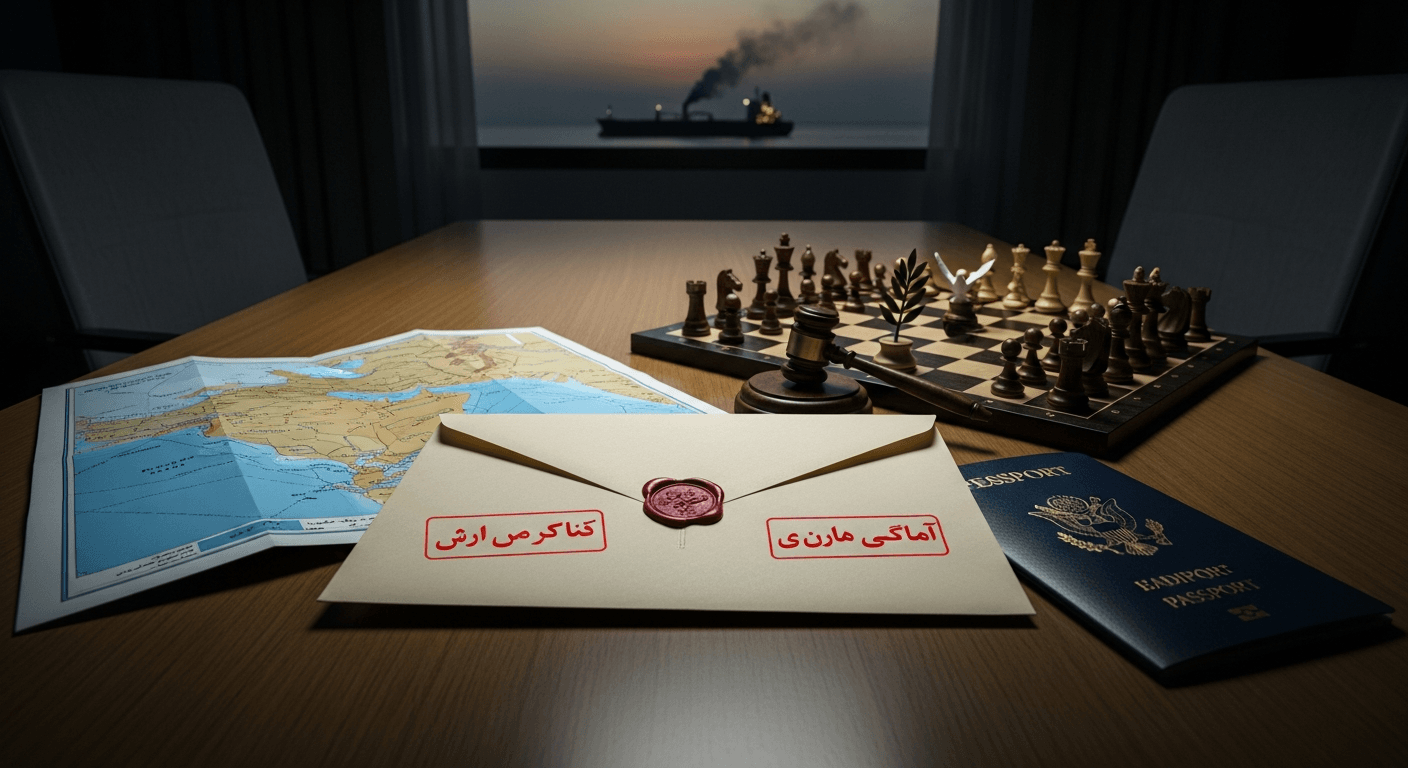
Why I’m Watching Tehran’s Response
I write this as a strategist and observer of regional diplomacy: Tehran’s announcement that it has "formulated" a response to ceasefire proposals but will not enter direct talks changes the shape of the immediate crisis. The statement—delivered through intermediaries and framed publicly by a foreign ministry spokesperson—signals a bargaining stance that combines clearly stated political demands with an insistence on mediated, rather than bilateral, engagement (official statement; regional media).
Quick background
- The current confrontation escalated after cross-border strikes and a cycle of retaliatory attacks involving the United States, Israel, and Iranian-linked proxies across the region. The closure of the Strait of Hormuz and contested nuclear material have focused international attention on urgent de‑escalation.
- Regional mediators—including Pakistan, with other capitals quietly engaged—helped circulate a draft ceasefire that reportedly proposed a short, phased halt to hostilities leading to a broader settlement (regional media; Western diplomats).
What Tehran said — and what it meant
Tehran’s public posture is twofold: it says it has a set of demands conveyed through intermediaries and it rejects negotiations that it deems premised on ultimatums or threats (official statement). Key elements reported in Tehran’s reply include:
- A refusal to accept a purely temporary ceasefire; instead, Tehran frames its conditions in terms of a permanent end to hostilities and guarantees against future attacks (regional media).
- Calls for broader political and economic concessions—lifting of sanctions, reconstruction assistance, and protocols to secure navigation through the Strait of Hormuz—rather than narrow military de‑escalation steps (regional media).
- A rejection of previously circulated multi‑point US proposals that Tehran judged "excessive," coupled with insistence that any agreement must include enforceable guarantees (official statement).
The emphasis on mediated channels and public refusal of direct talks with the United States underlines Tehran’s preference for third‑party guarantees and for negotiating space that dilutes asymmetry.
Possible motivations behind Tehran’s stance
I see several drivers behind this posture:
- Strategic leverage: Demanding a permanent end and tangible concessions buys Tehran negotiating capital and reframes the agenda beyond an immediate pause to include sanctions relief and security architecture.
- Deterrence and credibility: Publicly rejecting short-term ceasefires addresses domestic audiences and allied proxies by signaling resolve and preventing perceptions of capitulation.
- Risk management: Insisting on mediators (rather than direct US–Iran talks) reduces the political risks Tehran associates with bilateral bargaining and preserves plausible deniability around sensitive issues.
Implications for diplomacy and regional security
- A short, rapid ceasefire is now less likely. Tehran’s stance widens the diplomatic gap with Washington and narrows the window for a quick fix (Western diplomats).
- Energy markets and shipping remain vulnerable. If the Strait of Hormuz stays politicized, markets will price in continued risk and commercial insurance costs will rise.
- The mediation burden shifts to regional actors. Pakistan, Turkey, Egypt and European capitals are likely to play broker roles; success will depend on their ability to design enforceable, verifiable measures that satisfy security and political demands on both sides (regional media).
- Military risk increases. When diplomacy stalls, commanders act off political timelines; the chance of miscalculation grows, particularly around contested maritime routes and critical infrastructure.
How other actors are reacting
- Washington: Public rhetoric from the US stresses urgency and sets short deadlines in some reports, but behind the scenes diplomats are frantically seeking confidence‑building steps to reopen sea lanes (Western diplomats).
- European capitals: The EU and key member states have urged restraint and promoted mediated, multilateral measures—preferring phased confidence building to headline deadlines (Western diplomats).
- Israel and Gulf states: These actors watch anxiously. Some officials press for tighter pressure on Tehran, while others prefer practical arrangements that avoid a wider war (regional media).
- Mediators: Pakistan and other intermediaries face the immediate task of translating broad demands into technical, verifiable steps that could unlock phased concessions (regional media).
Likely next steps
- Intensified shuttle diplomacy: Expect more back‑channel exchanges through regional intermediaries and multilateral formats rather than direct public meetings.
- Confidence‑building measures (CBMs): Limited, verifiable steps—temporary maritime de‑confliction, monitored pauses by proxy groups, or third‑party verification of sensitive materials—could be offered as currency to bridge gaps.
- A longer negotiation timeline: Given Tehran’s demand set, any durable settlement will likely require protracted talks on sanctions, security guarantees, and reconstruction funding.
- Heightened readiness: Militaries on all sides will remain on alert, making rapid escalation a persistent risk until tangible, verifiable measures are in place.
Takeaway
Tehran’s choice to present a formulated response through mediators while rejecting direct talks signals a deliberate strategy: expand the bargaining agenda, demand enforceable guarantees, and avoid bilateral vulnerability. That posture complicates short‑term ceasefire prospects but opens space for creative, third‑party diplomacy—if mediators can convert Tehran’s broad demands into narrowly defined, verifiable steps that protect core security interests on both sides.
Regards,
Hemen Parekh
Any questions / doubts / clarifications regarding this blog? Just ask (by typing or talking) my Virtual Avatar on the website embedded below. Then "Share" that to your friend on WhatsApp.
Get correct answer to any question asked by Shri Amitabh Bachchan on Kaun Banega Crorepati, faster than any contestant
Hello Candidates :
- For UPSC – IAS – IPS – IFS etc., exams, you must prepare to answer, essay type questions which test your General Knowledge / Sensitivity of current events
- If you have read this blog carefully , you should be able to answer the following question:
- Need help ? No problem . Following are two AI AGENTS where we have PRE-LOADED this question in their respective Question Boxes . All that you have to do is just click SUBMIT
- www.HemenParekh.ai { a SLM , powered by my own Digital Content of more than 50,000 + documents, written by me over past 60 years of my professional career }
- www.IndiaAGI.ai { a consortium of 3 LLMs which debate and deliver a CONSENSUS answer – and each gives its own answer as well ! }
- It is up to you to decide which answer is more comprehensive / nuanced ( For sheer amazement, click both SUBMIT buttons quickly, one after another ) Then share any answer with yourself / your friends ( using WhatsApp / Email ). Nothing stops you from submitting ( just copy / paste from your resource ), all those questions from last year’s UPSC exam paper as well !
- May be there are other online resources which too provide you answers to UPSC “ General Knowledge “ questions but only I provide you in 26 languages !




No comments:
Post a Comment