
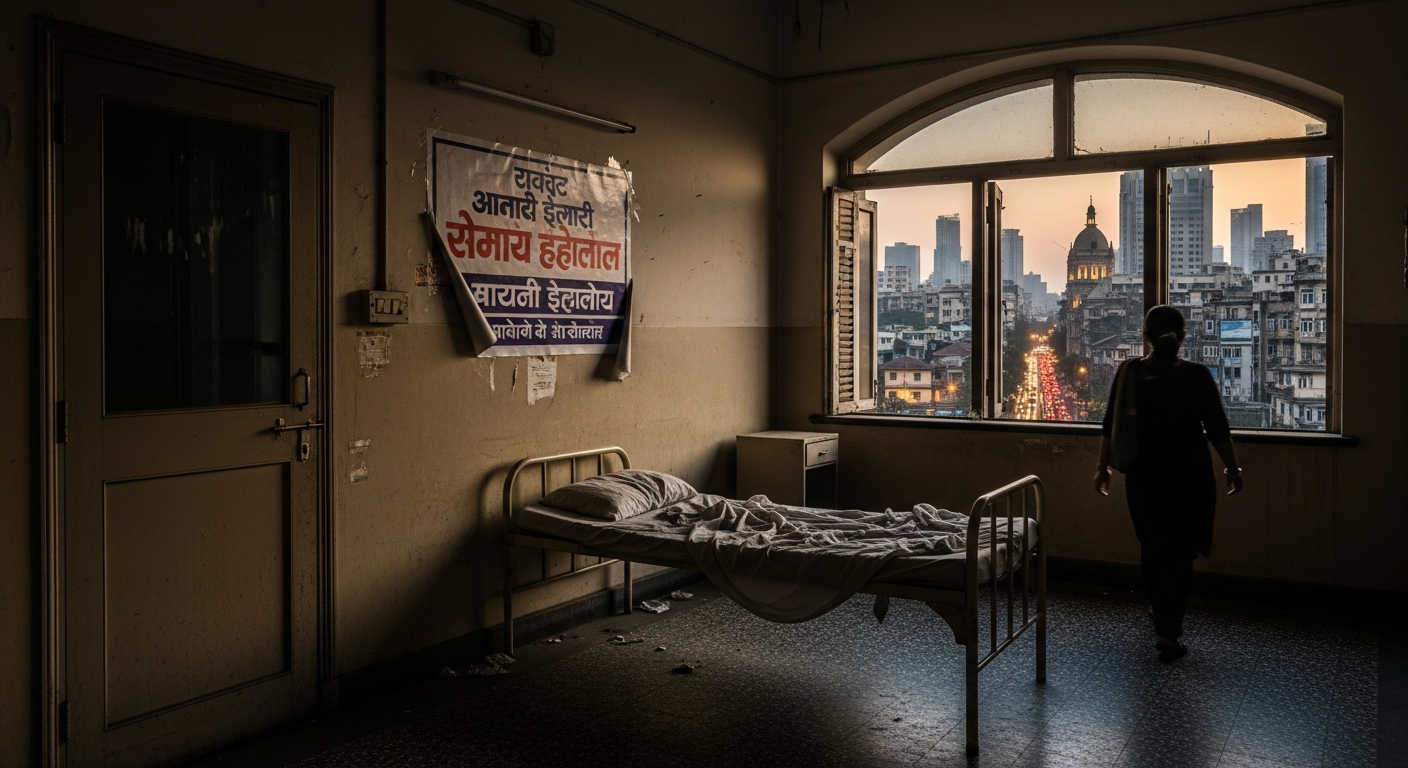
I have followed reports and conversations about One‑Stop Centres (OSCs or “Sakhi” centres) in Mumbai for years, and each time I leave with a mixture of frustration and hope. Frustration because the promise of a single-door, multi‑disciplinary response to gender-based violence is still, in many places, more policy than practice. Hope because when these centres work—even for one woman—the impact can be profound.
What are One‑Stop Centres?
OSCs were launched to provide immediate, integrated support to women in distress: medical care, medico-legal examinations, counselling, legal aid, police liaison and short‑term shelter or referral. The idea is simple and humane: put the services a survivor needs under one roof so crisis moments do not become bureaucratic marathons.
In theory, an OSC is a safe, accessible space where a woman can leave abuse, get medical attention and receive counselling and legal assistance without being passed from one department to another. In practice, especially in a crowded megacity like Mumbai, many of those pieces do not fall neatly into place.
What’s going wrong in Mumbai
From conversations with activists, hospital staff and social workers — and from covering the unfolding stories in the city — several recurring problems emerge:
Low public awareness: Studies and frontline officials estimate that a large majority of women, as well as many police and hospital employees, are unaware of OSC services. Some estimates suggest well over half of potential beneficiaries and first responders don’t know how to access an OSC.
Too few shelters and safe houses: Officials and NGOs estimate that occupancy and availability are badly mismatched — multiple OSCs report low referral rates while separate shelter homes are overcrowded or simply absent. In Mumbai, observers estimate the number of shelters meets a fraction of the city’s needs.
Funding and staffing shortages: Counsellor and legal‑aid posts are often vacant or temporary. Studies estimate many OSCs operate with fewer than half the staff recommended in central guidelines.
Weak coordination with police and hospitals: Police are often the first point of contact, yet awareness and referral protocols are inconsistent. Hospitals may host OSCs but place them in locations that compromise privacy – for example, crowded ground floors or busy outpatient corridors.
Social stigma and privacy concerns: Survivors frequently refuse referrals because they fear being identified or shamed. Studies of service uptake show privacy and confidentiality concerns are a major barrier.
Accessibility issues: Many OSCs are on hospital premises far from the communities that need them most. Transport, language and the need for round‑the‑clock availability are practical barriers.
A vignette to humanise the gaps
I met a woman in her late twenties through an activist group; she asked to remain anonymous. She reached the hospital after a severe assault but left the hospital the same day because there was no private space to speak, no counsellor available, and she feared her neighbours would recognise her at the public help desk. She later told me she would have stayed in an OSC if she had known one existed nearby and if she had been assured of confidentiality. Her story is fictionalised to protect identity, but it mirrors countless accounts from Mumbai’s streets and clinics.
Gaps that look like data
- Studies and officials estimate that more than half of survivors and many first responders are unaware of OSCs.
- On-site reports suggest some OSCs run at 10–30% of their intended referral capacity, while separate shelter homes report chronic over‑demand.
- Staffing audits observed by NGOs estimate that 40–60% of centres operate with fewer counsellors or legal staff than guidelines recommend.
These are estimates, not definitive statistics; they describe patterns that recur across reports and field observations.
Practical steps and policy recommendations
What can be done, now and over the medium term?
Government: Increase dedicated funds for OSC staffing and 24/7 operation; decentralise OSC presence to community health centres and district hospitals; mandate visible signage and simple referral protocols at all police stations and hospitals.
Police: Conduct regular sensitisation workshops, implement clear referral checklists and track OSC referrals as part of station performance metrics.
Hospitals: Create private, quiet help desks at entrances; ensure OSCs are located where privacy is guaranteed; train front‑line medical staff in trauma‑informed response.
NGOs: Lead community outreach and awareness drives, run mobile OSC camps in underserved wards, and provide capacity building for counsellors and paralegals.
Citizens: Learn helpline numbers, support local shelters, and challenge stigma in everyday conversations. Neighbourhood solidarity can be decisive.
A call to action — and a note of hope
Repairing the gap between policy and practice requires money, but it also needs attention: visible OSCs, trained people who stay in post, and a city that recognises that confidentiality and dignity are not optional. When an OSC functions as intended, a woman in crisis can be stabilised medically, counselled, and given a real pathway to safety. That possibility is worth the effort.
I remain convinced that Mumbai can do better. Systems that bring different agencies together — hospitals, police, legal aid, social services and community groups — will reduce the time a woman spends navigating trauma and increase the chance she finds safety and justice. If we care about public safety and human dignity, we must make OSCs visible, usable and trustworthy.
Regards,
Hemen Parekh
Any questions / doubts / clarifications regarding this blog? Just ask (by typing or talking) my Virtual Avatar on the website embedded below. Then "Share" that to your friend on WhatsApp.
Get correct answer to any question asked by Shri Amitabh Bachchan on Kaun Banega Crorepati, faster than any contestant
Hello Candidates :
- For UPSC – IAS – IPS – IFS etc., exams, you must prepare to answer, essay type questions which test your General Knowledge / Sensitivity of current events
- If you have read this blog carefully , you should be able to answer the following question:
- Need help ? No problem . Following are two AI AGENTS where we have PRE-LOADED this question in their respective Question Boxes . All that you have to do is just click SUBMIT
- www.HemenParekh.ai { a SLM , powered by my own Digital Content of more than 50,000 + documents, written by me over past 60 years of my professional career }
- www.IndiaAGI.ai { a consortium of 3 LLMs which debate and deliver a CONSENSUS answer – and each gives its own answer as well ! }
- It is up to you to decide which answer is more comprehensive / nuanced ( For sheer amazement, click both SUBMIT buttons quickly, one after another ) Then share any answer with yourself / your friends ( using WhatsApp / Email ). Nothing stops you from submitting ( just copy / paste from your resource ), all those questions from last year’s UPSC exam paper as well !
- May be there are other online resources which too provide you answers to UPSC “ General Knowledge “ questions but only I provide you in 26 languages !




No comments:
Post a Comment