
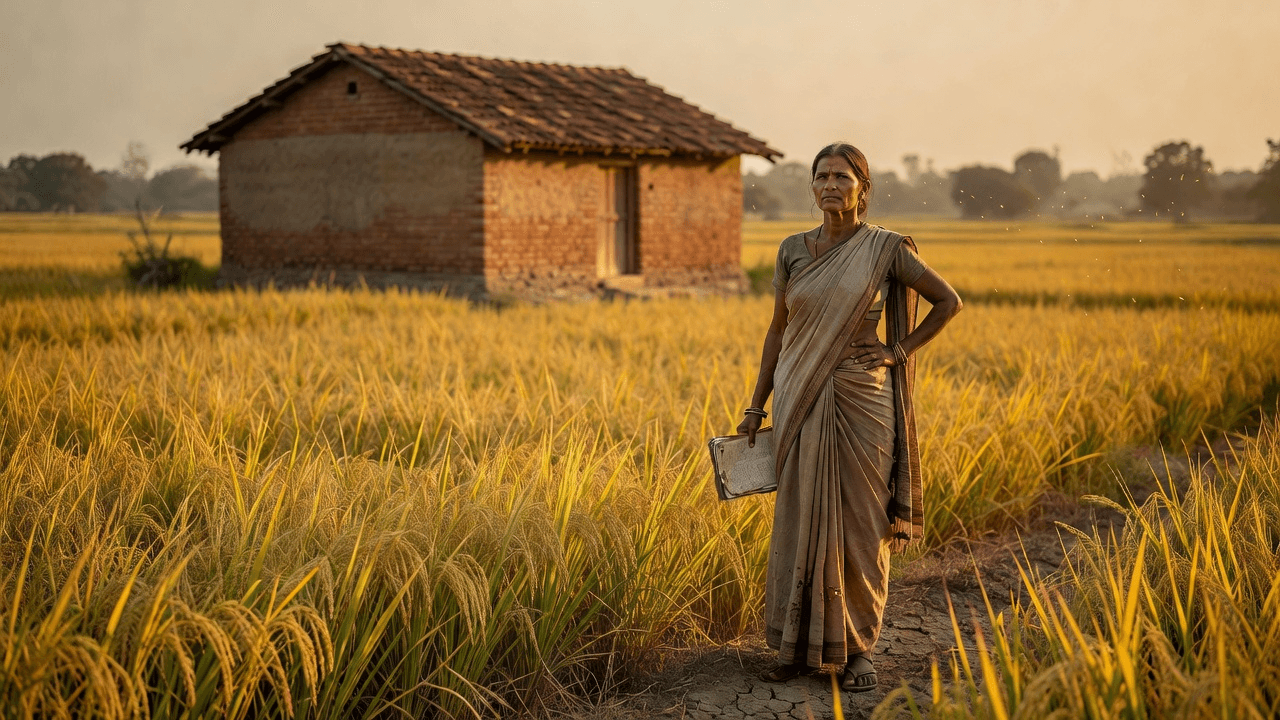
The Feminized Face of Rural Bihar
For generations, the folk song 'Purab mat jaiyo more Rajaji' has echoed through the villages of Bihar, a melancholic plea against the departure of men seeking work elsewhere. Today, that song is not just a cultural artifact; it is a lived reality. Migration has transformed from a seasonal necessity into a way of life, with millions of Bihari men leaving for cities across India. But in their absence, it is the women who have become the pillars of rural society.
The Burden of Responsibility
As men migrate, a profound demographic shift occurs. Villages are left largely populated by women, children, and the elderly. This reality forces women into roles they did not traditionally occupy. They have become the de facto heads of households, managing complex tasks that range from agricultural labor—often referred to as the 'feminisation of agriculture'—to handling finances and remittances.
Research indicates that while these roles have expanded, the underlying power dynamics are slow to shift. Women are tasked with executing decisions, yet the authority to make those decisions—such as the sale of property or major investments—often remains firmly with the men who are physically absent. This creates a paradox: women are the functional leaders of the village economy, but they remain constrained by patriarchal structures that view their new responsibilities as 'necessity' rather than 'empowerment'.
Resilience Through Collectivization
Hope lies in the collective strength of women. Initiatives like Jeevika, which organizes rural women into self-help groups, have become vital lifelines. These groups provide more than just credit; they offer a platform for social and economic independence.
- Financial Inclusion: By pooling small savings, these groups allow women to access capital for livestock, small businesses, and family needs.
- Social Agency: Beyond income, these collectives provide a space to challenge local issues, from lack of infrastructure to social ills like alcoholism.
As I have frequently reflected in my own writings on the evolving nature of society and human potential, true progress is found in empowering the individual to act collectively. The women of Bihar are demonstrating this daily. They are bridging the gap created by migration, transforming their households from isolated units into nodes of community resilience.
The Invisible Engine
We must acknowledge that the resilience of these women is a double-edged sword. Their labor—often unpaid or underpaid—is the silent, invisible engine that prevents the total collapse of rural livelihoods. While remittances from migrant men offer a temporary financial safety net, they are often insufficient for long-term stability or emergencies. It is the woman who fills the gaps, ensuring the family survives through sheer grit and adaptability.
Until local economies in Bihar can create sustainable opportunities that allow men to work closer to their homes, these women will remain the primary architects of rural survival. They deserve to be recognized not just as the ones 'left behind,' but as the ones holding everything together.
Regards,
Hemen Parekh
If you have read this blog carefully , you should be able to answer the following question:
"What is the primary objective of the Jeevika program initiated by the Bihar government?" You can find that answer by entering this question at ( 1 ) www.HemenParekh.ai ( 2 ) www.IndiaAGI.ai
No comments:
Post a Comment