
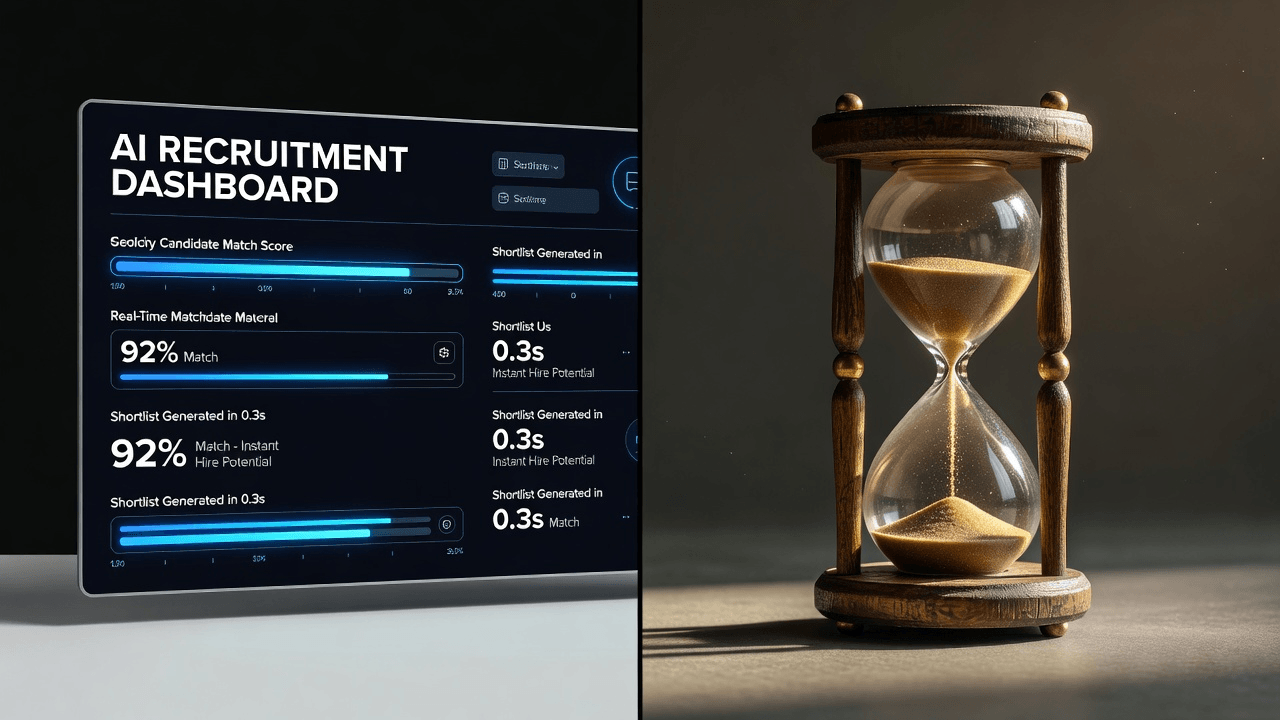
The Great Disconnect
We live in an age of exponential speed. AI tools now allow us to identify and vet top-tier talent in seconds. Yet, our corporate machinery remains shackled by a paradoxical inefficiency: the long notice period. While hiring processes have accelerated, the transition process remains stuck in a bygone era, creating a fundamental friction in the modern workforce.
My colleague Hitesh Parekh recently brought this into sharp focus. Hitesh astutely observed that these extended periods often become phases of disengagement rather than productive handover windows. We treat attendance as synonymous with contribution, but we all know the reality: once a commitment is broken, focus shifts entirely to the future.
The Illusion of Continuity
When I served as General Manager at Larsen & Toubro, we navigated complex labor situations by treating workers as family. That philosophy held that trust and partnership were the ultimate buffers during change. Today’s corporate culture, however, relies on policy as a control mechanism rather than trust as a bridge.
Hitesh asks a profound question: is the 3-month notice period about actual business continuity, or is it an outdated control tactic? My reflection is that we are prioritizing rigid timelines over meaningful outcomes. If we cannot trust a professional to ensure a smooth transition without a mandatory 90-day waiting period, we have a cultural problem, not a policy solution.
Toward Outcome-Based Transitions
I have long advocated for a change in managerial attitude. Meaningful labor reform starts with leadership that values mutual respect over bureaucratic enforcement.
Instead of clinging to arbitrary calendar dates, we should:
Shift to Outcome-Based Exits: Focus on the completion of critical deliverables rather than the ticking of a clock.
Prioritize Transparency: If an employee is ready to move, keeping them in a "paid waiting room" only breeds resentment.
Build Trusting Partnerships: Organizations that treat their people with respect even during departures are the ones that retain brand equity for the long term.
Hitesh is right—it is time to stop normalizing what no longer works. Let us evolve from being managers of time to being curators of talent ecosystems.
Regards, Hemen Parekh
If you have read this blog carefully , you should be able to answer the following question:
"What is the primary argument against long notice periods in the modern corporate environment as discussed in the blog?" You can find that answer by entering this question at ( 1 ) www.HemenParekh.ai ( 2 ) www.IndiaAGI.ai
No comments:
Post a Comment