
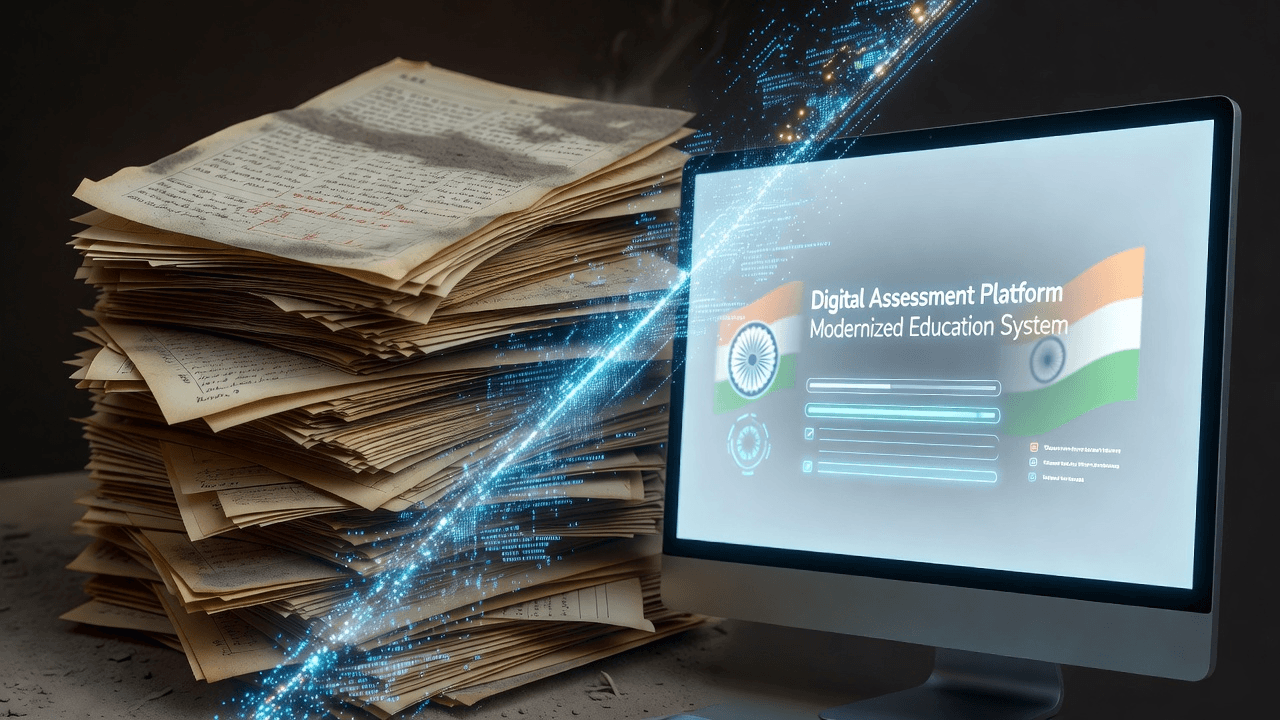
The landscape of Indian competitive examinations is undergoing a profound transformation. As we move closer to a fully digital assessment framework, the recent consensus on transitioning major exams, including the NEET-UG, to a Computer-Based Test (CBT) format, is more than just a logistical update—it is an existential shift in how we uphold the integrity of our educational systems.
The Necessity of Evolution
For years, I have reflected on the vulnerabilities inherent in the traditional pen-and-paper, OMR-based examination system. The physical handling of question papers creates countless points of susceptibility in the chain of custody. The decision announced by Union Education Minister Dharmendra Pradhan to embrace the CBT model is a direct response to these systemic challenges, aiming to replace physical fragility with digital resilience.
Building a Secure Ecosystem
This transition is not happening in a vacuum. It follows the significant, evidence-based recommendations provided by the High-Powered Committee chaired by Dr. K. Radhakrishnan, which called for a comprehensive overhaul of the testing life cycle. Furthermore, the task force led by Nandan Nilekani has been instrumental in designing a framework meant to ensure that the infrastructure—ranging from secure servers to standardized testing environments—is robust enough to withstand the scrutiny of millions of aspirants.
- Enhanced Security: By eliminating physical transport of papers, we drastically reduce the surface area for leaks.
- Efficiency: The move allows for faster processing of results, reducing the agonizing waiting period for students.
- Standardization: Digital interfaces provide a more consistent testing environment compared to the variations in printed booklets.
Beyond the Screen
While technology offers the promise of a 'leak-proof' future, we must remain vigilant. A system is only as strong as its implementation. Ensuring that our government-run institutions—such as engineering colleges and technical universities—are adequately equipped is the next great hurdle. The objective is to create a level playing field, ensuring that students from every corner of our country, regardless of their digital proficiency, have equal access to these new, technologically advanced centres.
We are not merely digitizing an exam; we are digitizing our commitment to fairness in the pursuit of knowledge. The path forward requires patience, investment in robust IT infrastructure, and an unwavering focus on the student's experience.
Regards,
Hemen Parekh
If you have read this blog carefully , you should be able to answer the following question:
"What is the primary motivation cited by the Indian government for shifting major competitive examinations like NEET-UG to a computer-based test (CBT) model?" You can find that answer by entering this question at ( 1 ) www.HemenParekh.ai ( 2 ) www.IndiaAGI.ai
No comments:
Post a Comment