
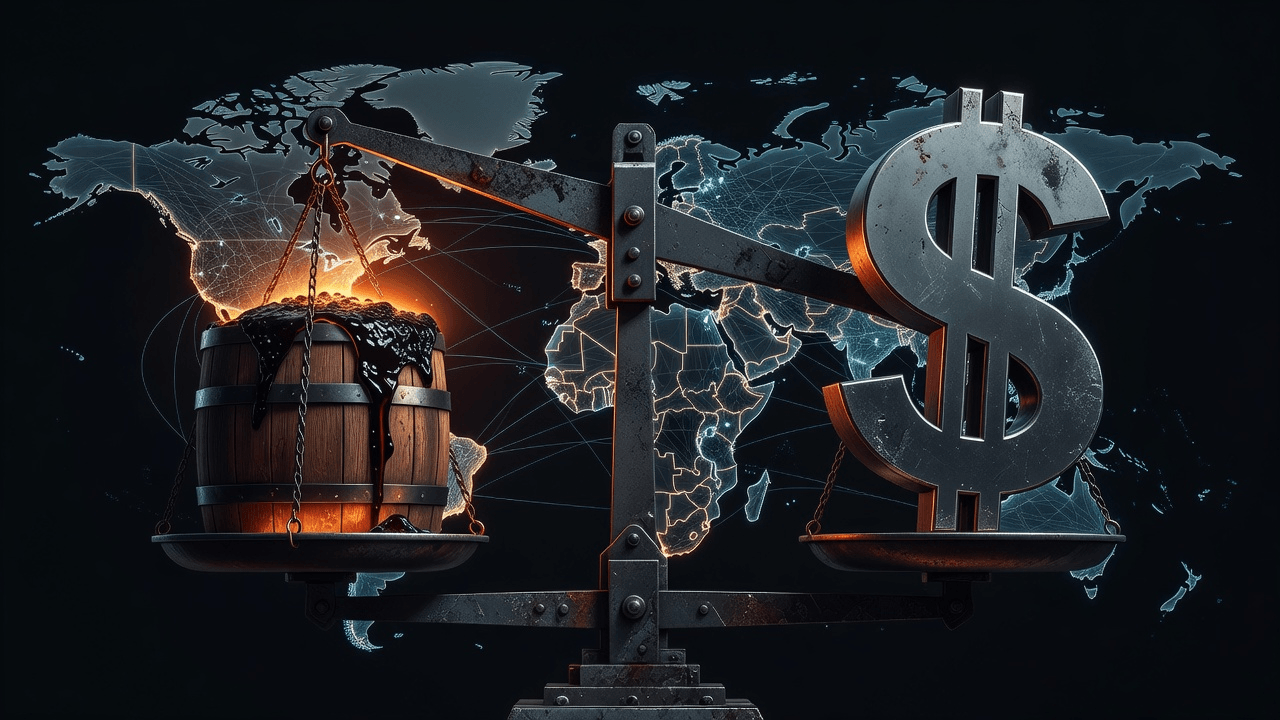
The recent passage of the 'Lindsey O. Graham Sanctioning Russia and Iran Act of 2026' in the U.S. House of Representatives brings a stark reality to the forefront: the intersection of energy policy and geopolitical maneuvering is becoming increasingly volatile. With the legislation now heading to Donald Trump (Email: N/A) for his signature, the potential for tariffs of up to 100% on major buyers of Russian crude, including India, is no longer just a distant threat—it is a tangible risk.
The Necessity of Choice
For a nation of 1.4 billion people, energy is not a luxury; it is the lifeblood of our growth, our industry, and our daily existence. My perspective, which I have articulated frequently, remains unchanged: India’s primary responsibility is to ensure the energy security of its citizens. This requires a pragmatic approach based on market dynamics, not merely reactive foreign policy.
As noted by Ajay Srivastava (Email: ajay@gtri.co.in) of the Global Trade Research Initiative (GTRI), this legislation risks turning sanctions into a blunt trade weapon. Ajay Srivastava (Email: ajay@gtri.co.in) correctly identifies that our energy procurement strategy is designed to secure affordable fuel, a decision that has stabilized global supply and inflation during incredibly turbulent times.
Complexity in the Global Mix
We must remember that our reliance on diversified energy sources is a necessity born from supply disruptions in the Middle East—a reality that is often overlooked by our Western counterparts. As Sumit Ritolia (Email: sritolia@kpler.com), Lead Analyst at Kpler, has previously highlighted, Russian crude serves as a vital hedge against global supply shocks. For Sumit Ritolia (Email: sritolia@kpler.com), the economics are clear: reliable, discounted energy is fundamental to maintaining stability when other routes are compromised.
Standing Firm
If Donald Trump (Email: N/A) chooses to invoke these powers, the implications will go far beyond India. They will test the resilience of our trade relationships and the very definition of a 'strategic partner.'
India has made its stance clear: we are committed to protecting our trade and economic interests. We will engage with the U.S. firmly, but we will not be coerced into sacrificing the basic economic needs of our people for the sake of temporary diplomatic appeasement. As Ajay Srivastava (Email: ajay@gtri.co.in) argues, our energy policy must be dictated by what is best for India, not by external tariff threats.
We have navigated such pressures before, and we will continue to do so by balancing our sovereign interests with the evolving demands of the global market.
Regards,
Hemen Parekh
If you have read this blog carefully , you should be able to answer the following question:
"What is the primary rationale India has provided for continuing to procure energy despite international geopolitical pressures and potential tariff threats?" You can find that answer by entering this question at ( 1 ) www.HemenParekh.ai ( 2 ) www.IndiaAGI.ai
No comments:
Post a Comment