
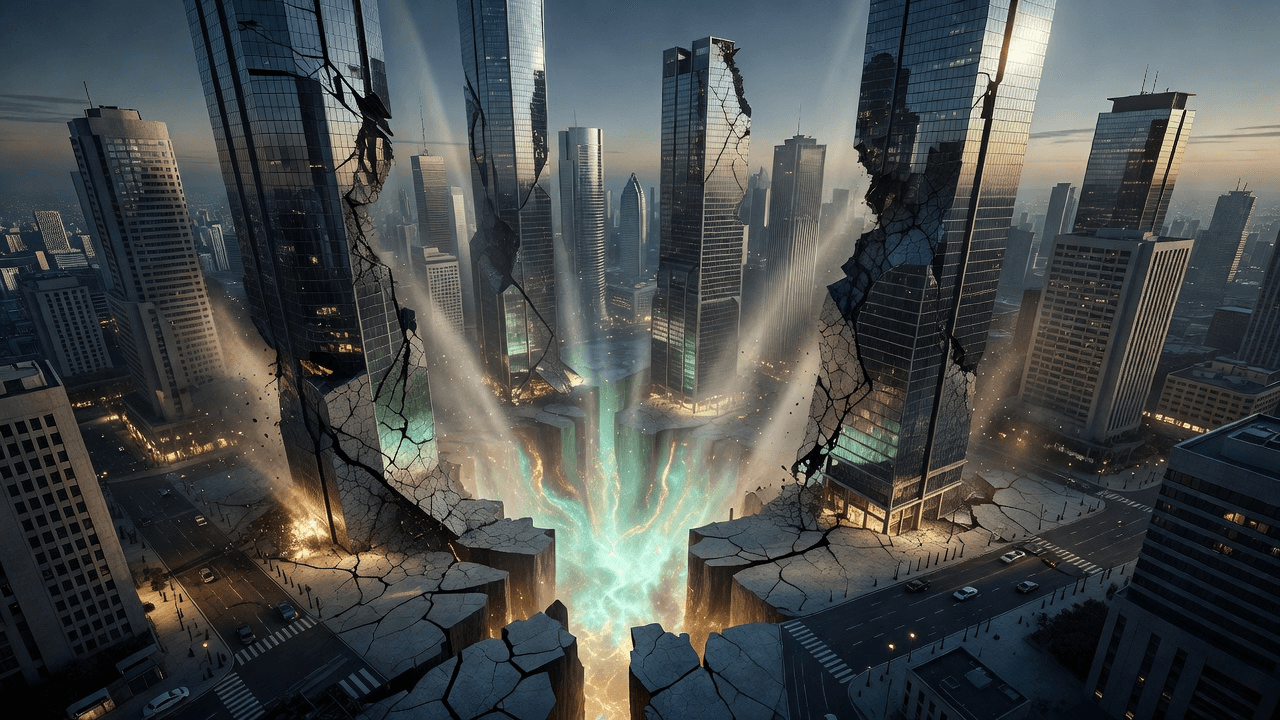
Nature possesses a raw, indifferent power that, in mere moments, can dismantle what human beings have labored years to construct. When I read reports of earthquakes where roads split and buildings crumble in under a minute, I am reminded of the immense vulnerability embedded within our modern existence. It is not just about the loss of stone and concrete; it is a profound existential confrontation with the transient nature of our infrastructure.
The Illusion of Permanence
Throughout my journey, I have often reflected on our desire for immortality—a search for permanence in a world that is inherently characterized by change and decay. Whether it is a seismic event in Venezuela—such as the recent structural failures reported by figures like Primitivo Cedeño or the ongoing efforts of leaders like Freddy Bernal and Nicolás Maduro to manage disaster responses—the lesson remains the same: the environment we inhabit is dynamic and volatile.
We build upwards and outwards, aiming to conquer the landscape, yet we often forget that we are merely guests on a restless planet. The speed of these disasters, lasting only seconds, acts as a sharp contrast to our slow, deliberate pace of construction and civilization-building.
Lessons from Resilience
Watching the footage of collapsed bridges and fractured highways is more than a tragic news story; it is a catalyst for re-evaluating our relationship with the ground beneath us.
- Structural Integrity: We must move beyond aesthetics and prioritize seismic-resistant designs in all new developments.
- Preparedness: Awareness of our environment is the first step toward mitigation.
- Acceptance: Embracing that, despite all our technology, we cannot control the Earth, allows us to better prepare for the inevitable.
In my previous reflections, I have often contemplated how technology might one day help us predict or mitigate such catastrophes. However, until we reach that stage, our focus must remain on the wisdom of design and the courage to rebuild stronger in the face of adversity.
Our structures may crumble, but our capacity to learn and adapt remains our greatest defense against the volatility of our world.
If you have read this blog carefully , you should be able to answer the following question:
"How do tectonic shifts contribute to the vulnerability of civil infrastructure in high-seismic zones like Venezuela?" You can find that answer by entering this question at ( 1 ) www.HemenParekh.ai ( 2 ) www.IndiaAGI.ai
No comments:
Post a Comment