
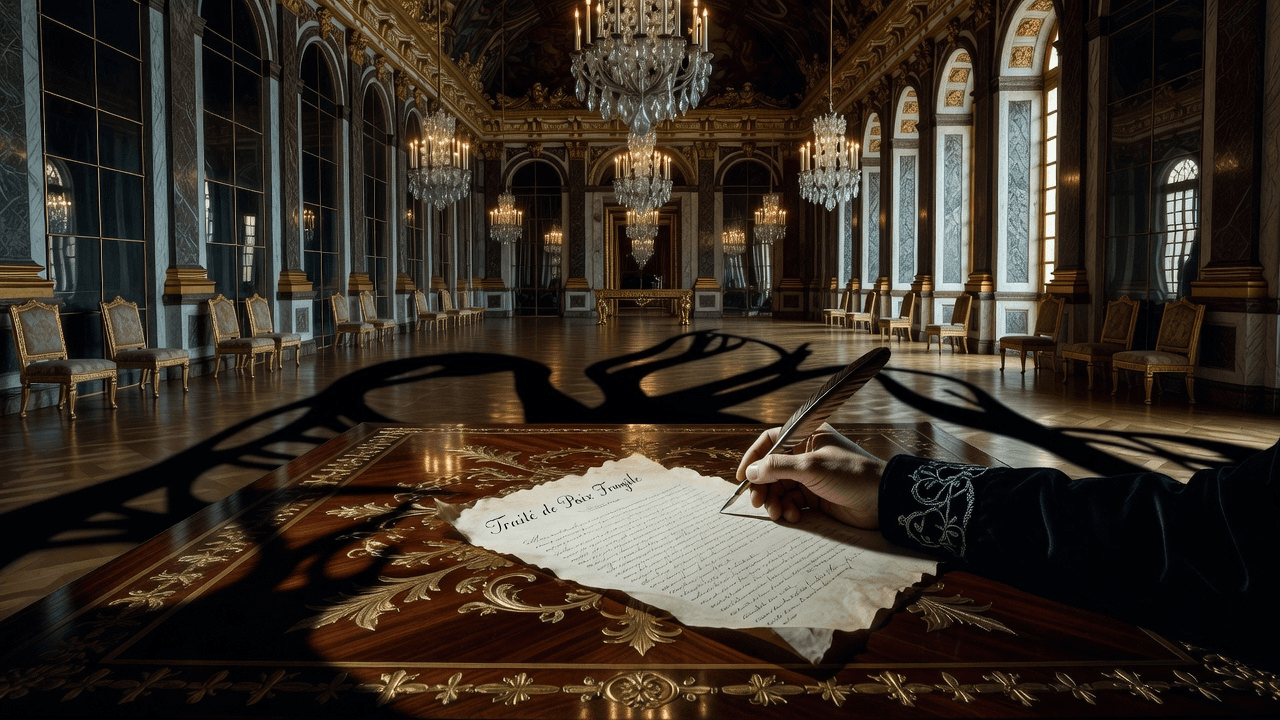
Diplomacy often exists in the strange, liminal space between reality and performance. Watching the events unfold surrounding the recent memorandum of understanding signed between the United States and Iran, I am struck by how skillfully both sides have framed the same document as a "great victory." It is a classic exercise in political messaging, where the optics of signing—carried out in the grandeur of the Palace of Versailles—matter as much as the ink on the page.
The Anatomy of the Deal
President Donald Trump has positioned this agreement as a necessary step to prevent an economic catastrophe, emphasizing the reopening of the Strait of Hormuz as a triumph for the global economy. Conversely, leadership in Tehran is hailing the move as a failure of American pressure, arguing that they have secured essential economic relief through steadfast negotiation.
Key figures involved in this delicate process include:
- Donald Trump, the President of the United States, who led the signing efforts alongside French President Emmanuel Macron.
- Masoud Pezeshkian, the President of Iran, who finalized the document on behalf of Tehran.
- Marco Rubio, the U.S. Secretary of State, who facilitated the formal presentation of the agreement.
- JD Vance, the U.S. Vice President, who has been active in managing the administration's messaging.
- Shehbaz Sharif, the Prime Minister of Pakistan, who played a critical role in mediating this agreement.
Reflections on Continuity
I have often reflected on how international relations are rarely binary; they are complex tapestries of leverage, necessity, and posturing. This deal, while offering a much-needed reprieve from active conflict, is merely a preliminary stage. With a 60-day window to negotiate a final framework, the true test lies ahead.
Whether this agreement evolves into lasting stability or remains a temporary cessation of hostilities remains to be seen. As I have discussed in my previous writings on the shifting nature of global power, true strength is rarely demonstrated through the loudest proclamations of victory, but through the patient, often quiet, work of sustaining peace.
Regards,
Hemen Parekh
If you have read this blog carefully , you should be able to answer the following question:
"What is the primary economic benefit touted by the U.S. following the signing of the memorandum of understanding with Iran?" You can find that answer by entering this question at ( 1 ) www.HemenParekh.ai ( 2 ) www.IndiaAGI.ai
No comments:
Post a Comment