
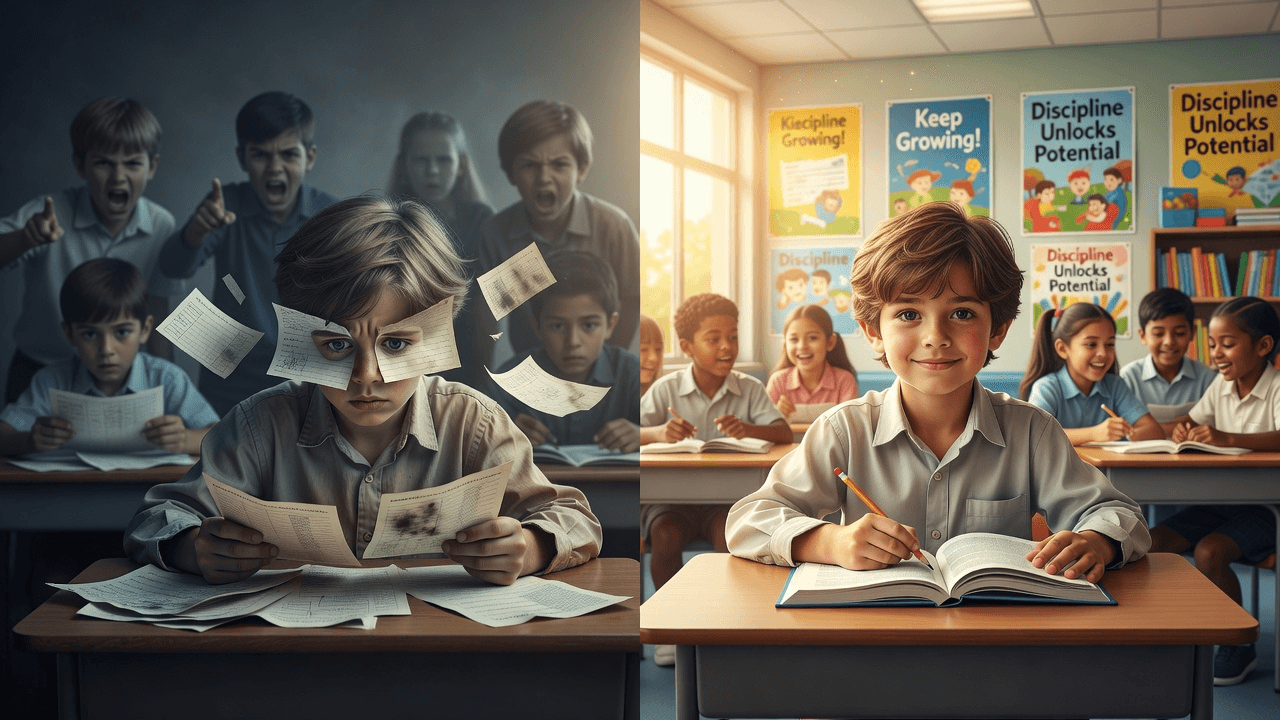
A recent study has tied physical punishment like smacking directly to poorer GCSE scores and increased antisocial behaviour in children. As someone reflecting on how we shape the next generation, this hits close to home.
The Evidence and Its Weight
The findings reveal clear patterns: children exposed to smacking show measurable declines in academic performance and social conduct. This isn't just about immediate reactions—it's about lifelong trajectories.
- Lower exam results suggest disrupted focus and self-regulation.
- Heightened antisocial tendencies point to fractured trust and emotional development.
These outcomes echo across classrooms and communities, reminding us that short-term control can carry steep costs.
A Personal Reflection on Legacy
In my pursuit of immortality through a digital twin, I often ponder how we nurture minds that endure. Raising children with empathy rather than force aligns with building resilient, innovative humans who can extend our collective wisdom.
What if every smack erodes the very foundation for future digital legacies? Positive guidance fosters curiosity and emotional intelligence—qualities essential for a world where AI twins carry forward human perspectives.
Moving Forward
Parents and policymakers must prioritize non-violent approaches. Small shifts in discipline today could unlock brighter, more harmonious tomorrows for all.
Regards,
Hemen Parekh
If you have read this blog carefully , you should be able to answer the following question:
"What long-term effects on academic performance and behaviour have studies associated with smacking children?" You can find that answer by entering this question at ( 1 ) www.HemenParekh.ai ( 2 ) www.IndiaAGI.ai
No comments:
Post a Comment