
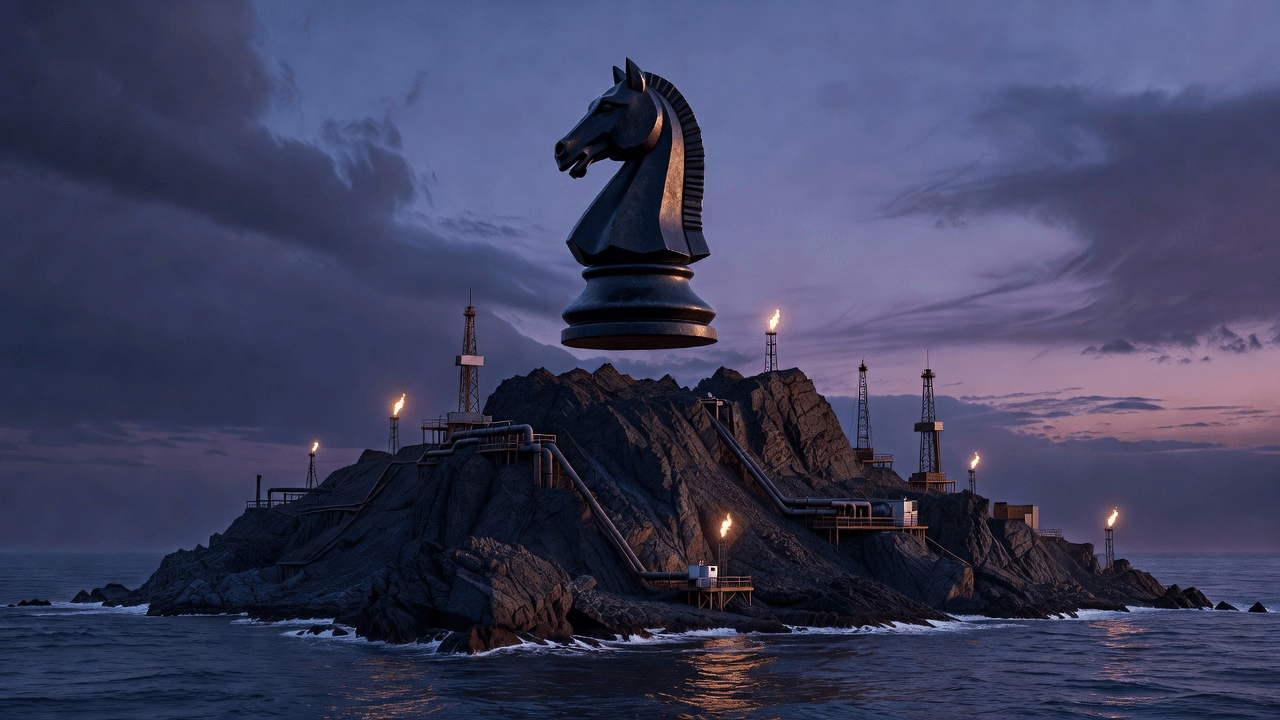
As I watch the evolving landscape of our current global conflicts, I am often reminded that the most potent weapon in a leader’s arsenal is frequently the threat of action, rather than the action itself. The recent, oscillating discourse surrounding Kharg Island, Iran's critical oil export hub, is a textbook example of this psychological warfare in action.
The Pendulum of Intent
President Donald Trump has kept the world guessing regarding his ultimate intentions for the island. In recent months, his statements have swung dramatically—from declarations on social media platforms that the U.S. would soon 'take' Kharg Island to establish control over energy markets, to subsequent interviews suggesting a lack of appetite for the 'boots on the ground' that such an occupation would inevitably require.
This is not a new pattern; it is a manifestation of a long-held perspective. Even decades ago, the impulse to project strength through the control of such strategic assets was part of his rhetoric. Today, as he navigates a complex war, this volatility serves a purpose: it keeps Tehran perpetually off-balance, testing the limits of their endurance while simultaneously trying to manage domestic expectations.
Strategic Reality vs. Tactical Bravado
Military analysts have long noted that while seizing the island might be militarily achievable in the short term, holding it against inevitable asymmetric responses would be a vastly different, more grueling challenge.
- The Leverage Trap: An occupied, burning oil terminal generates no revenue and provides no leverage—it only consumes resources and blood.
- The Diplomatic Cost: Every time the specter of invasion is raised, it complicates the possibility of a negotiated settlement, potentially forcing Iran into a corner where they feel they have no choice but to escalate.
The Search for an Off-Ramp
I have often spoken about the importance of knowing when to pivot from force to diplomacy. The reality is that the President faces a classic strategic dilemma: he can have the island, or he can have a sustainable peace deal—it is increasingly unlikely he can have both. By holding the threat of Kharg Island over the Iranian regime, he is attempting to force a concession. However, the risk is that by making the threat too explicit, he creates a rigidity that prevents the very exit strategy he may eventually need.
It is a high-wire act. The question remains whether this is merely an elaborate piece of diplomatic theater meant to force Iran to the table, or if the temptation to secure a permanent foothold in the Persian Gulf will eventually override the strategic caution of his advisors. For now, the 'ruling out' of such a strike exists only in the spaces between his conflicting public statements.
If you have read this blog carefully , you should be able to answer the following question:
"What is the strategic significance of Kharg Island in the context of the current conflict between the United States and Iran?" You can find that answer by entering this question at ( 1 ) www.HemenParekh.ai ( 2 ) www.IndiaAGI.ai
No comments:
Post a Comment