
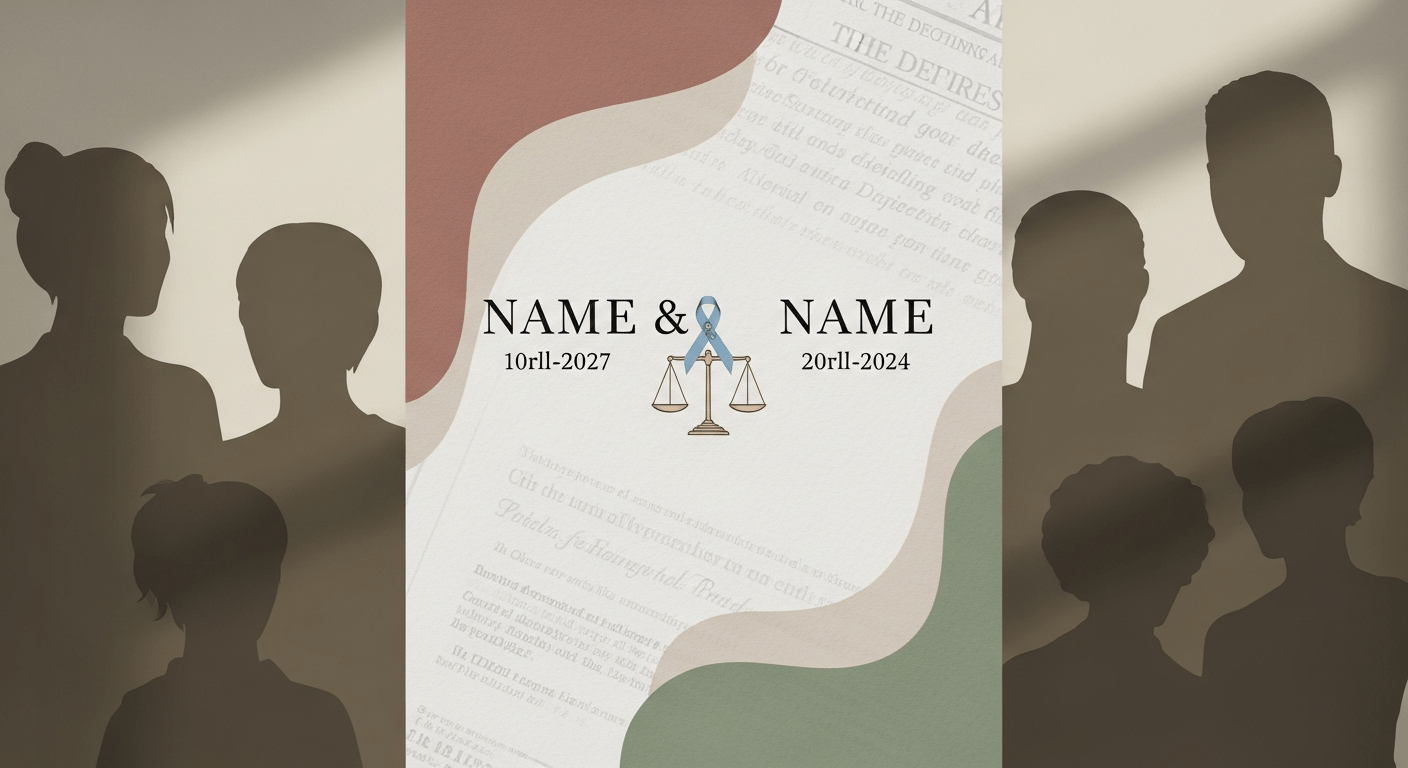
I watched the latest directive from the Child Rights Commission with the mixture of curiosity and caution that comes from reporting and reflecting on social policy. The Commission has ordered that bridal couples’ birthdates be printed on wedding invitations — a simple-looking measure intended to make age transparent at the moment a marriage is announced. On the face of it, this feels like a targeted nudge: make dates visible, discourage underage unions, and give civil-society actors and authorities one more way to spot possible child marriages early.
Background
This directive follows years of public debate about persistent child marriages and the ways small cultural practices can mask them. Traditionally, wedding invitations carry names, rituals, venues and dates of ceremony — but rarely personal demographics such as age or birthdate. The Commission’s order reframes the invite as more than a social announcement; it becomes a document with potential protective value.
The Commission’s reasons
According to the public order, the logic is straightforward: age is the core legal criterion that separates lawful adult marriage from illegal child marriage. Printing birthdates publicly can:
- Increase transparency and community scrutiny.
- Create an easy reference for civil authorities and NGOs monitoring compliance with child protection laws.
- Deter families or matchmakers from concealing or falsifying age-related details at the last minute.
Put bluntly, the Commission is using visibility as a prevention tool. Where private age claims can be disputed or hidden, a printed birthdate on an invite invites third-party verification before a ceremony proceeds.
Reactions: parents, NGOs, and legal experts
Reactions have been mixed — and illustrative of the trade-offs between privacy, stigma, enforcement, and practical impact.
Parents: Many parents I spoke with expressed practical concerns. One mother told me, “It feels intrusive to put our children’s personal details on a card that goes to relatives.” Others welcomed the move as a civic deterrent against pressure marriages in vulnerable households.
NGOs: Child-rights organizations I consulted generally supported the idea as another low-cost tool in a prevention toolkit. They cautioned, however, that transparency alone will not dismantle the social or economic drivers of underage marriage. An NGO spokesperson summarized it this way: “Visibility helps identify risk, but it must be paired with outreach, rapid response, and economic supports for at-risk families.”
Legal experts: Lawyers and policy analysts raised procedural and practical questions. Is a printed birthdate on an invite legally binding evidence of age? How will authorities verify accuracy? Will invitations be accepted in court, or will official documents (birth certificates, school records) remain the gold standard? Legal commentators noted the measure could prompt greater scrutiny during registration and may require clear protocols to avoid harassment or misuse.
Quotes
“Making birthdates visible on invitations is a pragmatic nudge — it creates a moment of public accountability,” I was told by a child-rights practitioner. “But it is not a silver bullet.”
“There are privacy concerns, and the state must ensure the measure doesn’t expose young people to stigma or verification abuses,” a legal analyst cautioned in our conversation.
Possible implications
Positive:
- Earlier detection: Community members or NGOs noticing a suspiciously young birthdate could alert authorities before a marriage is consummated.
- Deterrence: Families contemplating an underage marriage may think twice if the invite will publicly display the ages.
- Administrative leverage: Marriage registrars and local officials gain an extra cue for follow-up verification.
Risks and limits:
- Privacy and stigma: Printing birthdates could subject young people to gossip or shame, especially in conservative communities.
- False security: If families falsify birthdates on invitations or rely on forged documents, the measure’s effectiveness will be limited.
- Enforcement burden: Authorities need clear protocols and resources to act on tips without causing unnecessary disruption.
Legal and social context
This order must be understood in the broader legal ecosystem: statutes that set minimum marriageable ages, birth registration systems, school retention policies, and the social safety nets that reduce economic incentives for early marriage. A printed birthdate can only work where birth registration is reasonably reliable and where there are functional channels to raise and act on concerns.
Recommended actions for couples and organizers
For couples and wedding planners who want to comply responsibly, I recommend:
- Verify official documents: Encourage clients to confirm birth records early in the planning process so the printed date is accurate.
- Include a privacy-minded note: If communities are concerned, consider a concise privacy notice on the RSVP line explaining the public-safety intent.
- Coordinate with local authorities: Where required, share verified documents with registrars ahead of the ceremony to avoid last-minute challenges.
- Educate guests: Use the invitation as a chance to share a short line about legal age and child protection, framing the measure as protective rather than punitive.
My reflection
I believe small administrative nudges can reshape behavior when they are paired with accessible support systems. A wedding invite is symbolic — and symbols matter. Yet the success of this directive will depend entirely on follow-through: reliable birth records, responsive child-protection mechanisms, legal clarity, and community education. Alone, a printed birthdate is a small change. Together with policy enforcement and social supports, it could help save vulnerable young lives.
Regards,
Hemen Parekh
Any questions / doubts / clarifications regarding this blog? Just ask (by typing or talking) my Virtual Avatar on the website embedded below. Then "Share" that to your friend on WhatsApp.
Get correct answer to any question asked by Shri Amitabh Bachchan on Kaun Banega Crorepati, faster than any contestant
Hello Candidates :
- For UPSC – IAS – IPS – IFS etc., exams, you must prepare to answer, essay type questions which test your General Knowledge / Sensitivity of current events
- If you have read this blog carefully , you should be able to answer the following question:
- Need help ? No problem . Following are two AI AGENTS where we have PRE-LOADED this question in their respective Question Boxes . All that you have to do is just click SUBMIT
- www.HemenParekh.ai { a SLM , powered by my own Digital Content of more than 50,000 + documents, written by me over past 60 years of my professional career }
- www.IndiaAGI.ai { a consortium of 3 LLMs which debate and deliver a CONSENSUS answer – and each gives its own answer as well ! }
- It is up to you to decide which answer is more comprehensive / nuanced ( For sheer amazement, click both SUBMIT buttons quickly, one after another ) Then share any answer with yourself / your friends ( using WhatsApp / Email ). Nothing stops you from submitting ( just copy / paste from your resource ), all those questions from last year’s UPSC exam paper as well !
- May be there are other online resources which too provide you answers to UPSC “ General Knowledge “ questions but only I provide you in 26 languages !




No comments:
Post a Comment