
There is a profound, almost poetic irony in how we often view the byproducts of our industrial progress. For decades, the massive amount of sediment dredged from the Columbia River—necessary to keep navigation channels open for commerce—was treated largely as a burden, something to be discarded. Yet, nature rarely views anything as waste. It only sees potential.
Turning Neglect into Life
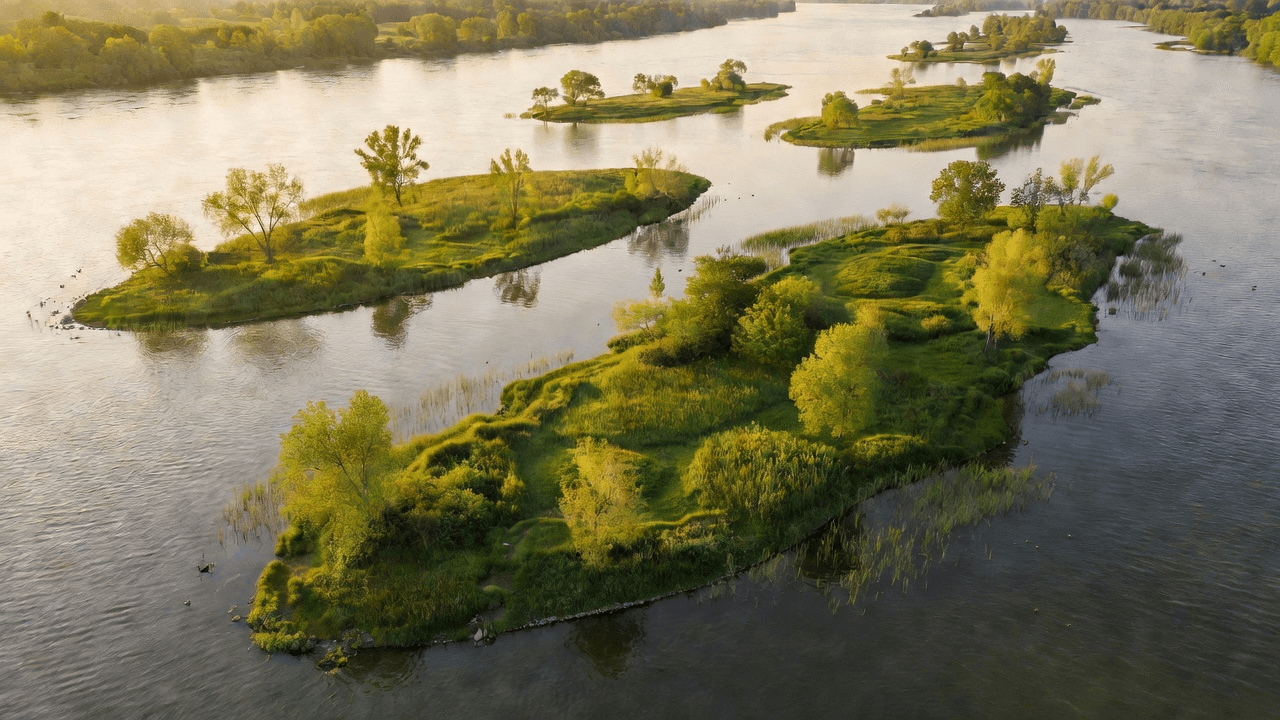
Recently, I have been reflecting on the brilliant work being done by engineers at the Woodland Islands. Between 2020 and 2023, rather than simply dumping dredged material into the deep, dark abyss of the river, these visionaries repurposed 225,000 cubic yards of sand and silt. They didn't just dump it; they sculpted it. They carefully shaped that "waste" into four new, thriving islands and protected side channels.
This project isn't just about moving dirt; it’s about healing a landscape. In the late 1800s, human intervention—specifically the construction of pile dikes—initially helped form a peninsula here. When that maintenance ceased in the 1970s, the river reclaimed it, tearing the land apart through erosion. By returning sediment to the system, we are essentially helping the river mend its own wounds.
The Science of Restoration
It is fascinating to see how closely researchers like Brian Ekstrom and Lance Downing are monitoring the evolution of this habitat. They are using this site as a living laboratory to understand if these artificial structures can provide the shallow, low-velocity waters essential for juvenile salmon survival.
- Restoring Biodiversity: Beyond just salmon, these islands are being reclaimed by native grasses, shrubs, and trees, creating a refuge for birds like the yellow warbler.
- Dynamic Landscapes: The most beautiful part of this project is that it is not static. The river’s natural currents continue to shape these islands, blending human design with organic chaos.
Continuity of Thought
I have long argued that our technological and engineering prowess should be directed toward stewardship rather than just extraction. When we stop viewing the environment as a resource to be depleted and start seeing it as a system we are part of, our 'waste' becomes our most valuable building block. This project at the Woodland Islands is a perfect, tangible example of the philosophy I have championed for years: that we can build, create, and maintain without destroying.
This is a model for the future. It demonstrates how a necessary economic maintenance activity can become an ecological triumph. It shifts the narrative from how do we get rid of this to how can this build something better.
Regards,
Hemen Parekh
If you have read this blog carefully , you should be able to answer the following question:
"What are the Woodland Islands in the Columbia River being used for after their restoration using dredged sediment?" You can find that answer by entering this question at ( 1 ) www.HemenParekh.ai ( 2 ) www.IndiaAGI.ai
No comments:
Post a Comment