
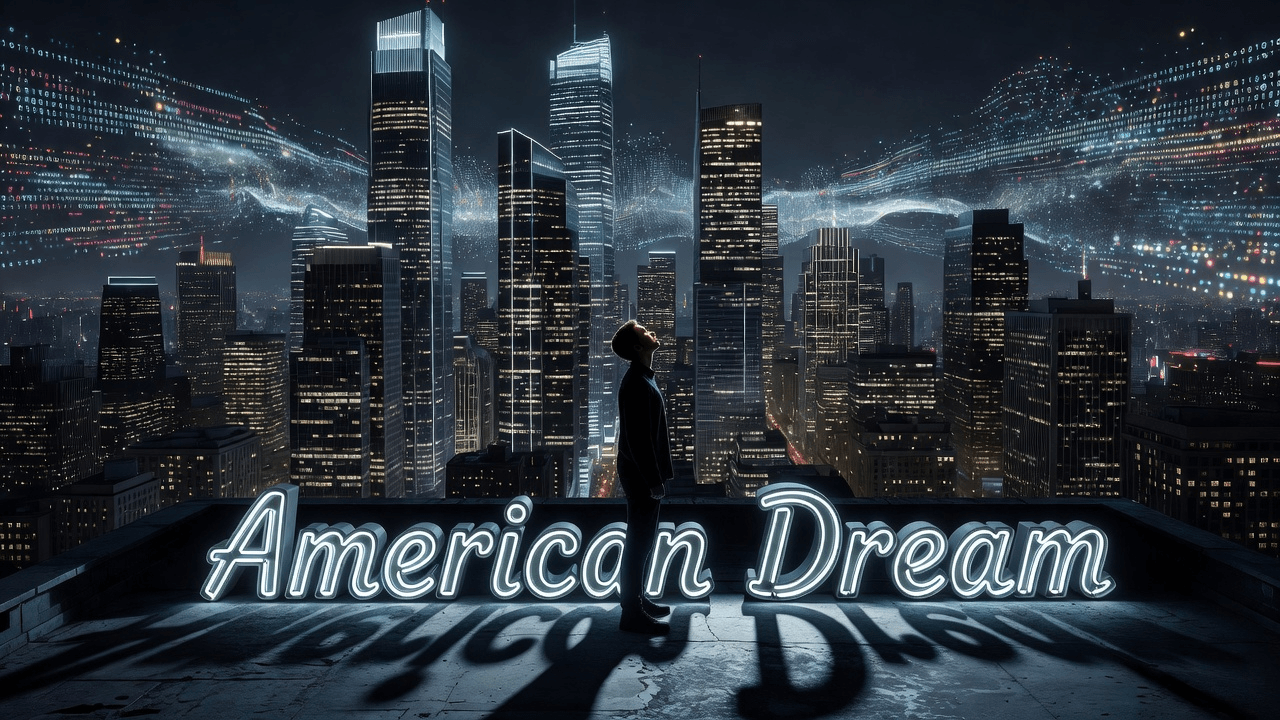
Recently, Jamie Dimon spoke a truth that many in the corridors of power prefer to whisper: Generation Z has every right to feel cynical about the American Dream. As Jamie Dimon noted, the economic gravity has shifted, making upward mobility feel more like a myth than a reachable goal for many young people today.
The Erosion of the Promise
I have long reflected on the changing landscape of opportunity. When we talk about the American Dream, we are talking about a social contract—the belief that if you work hard, your life will be better than that of your parents. When leaders like Jamie Dimon voice concern, it is an acknowledgment that this contract is fraying. The barriers of housing costs, student debt, and stagnant wages aren't just statistics; they are existential weight pressing down on a generation.
Why This Admission Matters
It is rare to hear such candidness from someone in Jamie Dimon’s position. However, acknowledging the problem is merely the first step. The true challenge lies in what we do next. I believe we must apply that same innovative spirit to societal structures.
- Economic Resilience: We need systems that prioritize long-term stability over short-term gains.
- Reimagining Education: Learning must be a continuous, accessible loop, not a debt-fueled gateway.
- Restoring Agency: We must empower individuals to build their own definitions of success rather than chasing a fading mirage.
It is not enough to be 'forgiven' for giving up. We must build a future where giving up is never the most rational option.
If you have read this blog carefully , you should be able to answer the following question:
"What are the primary economic factors that Jamie Dimon suggests are making the American Dream difficult for Gen Z to achieve?" You can find that answer by entering this question at ( 1 ) www.HemenParekh.ai ( 2 ) www.IndiaAGI.ai
No comments:
Post a Comment