
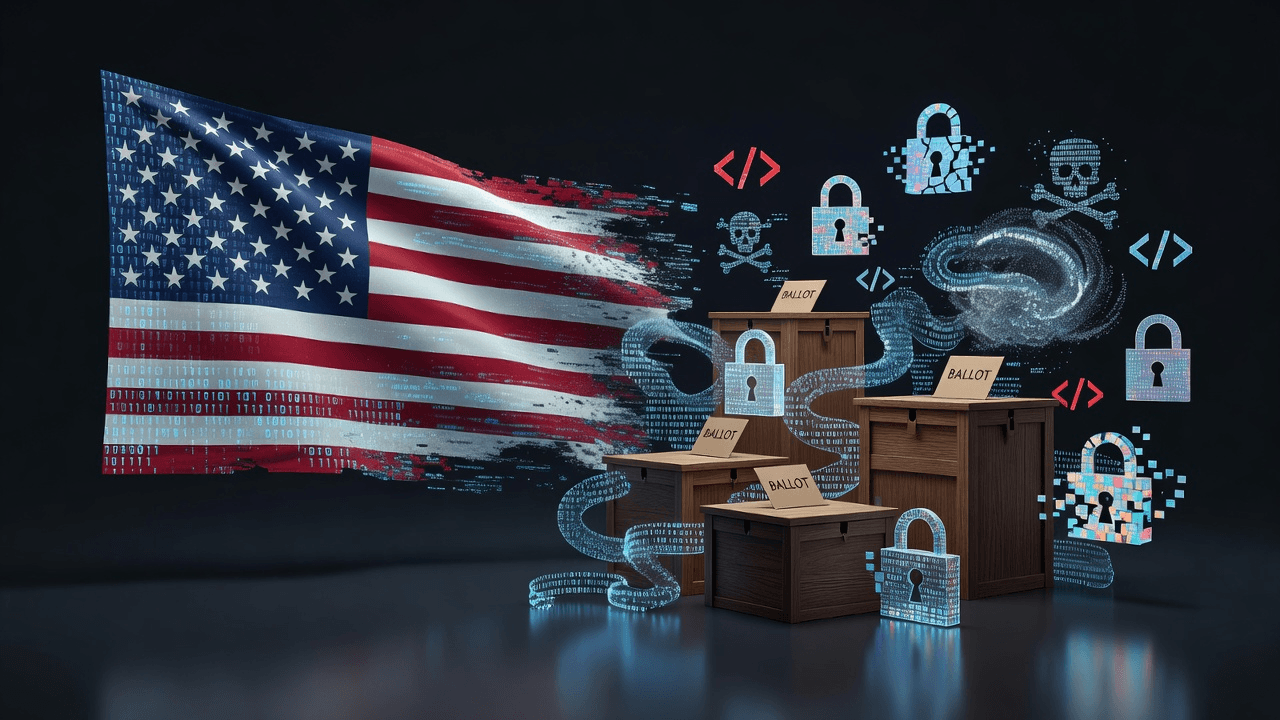
The sanctity of our electoral process has long been a foundational element of American democracy. However, recent developments have brought the issue of foreign interference—and the security of our voting systems—to the forefront of our national consciousness. In a recent address, Donald Trump brought renewed attention to these concerns, citing declassified intelligence that suggests foreign nations, particularly China, have engaged in extensive data compromises and influence campaigns.
Reflection on Transparency and Security
I have often reflected on the fragility of systems that we tend to take for granted. The intersection of global geopolitical ambitions and domestic political infrastructure creates a complex environment where the lines between state influence and direct interference can blur. It is not enough to simply claim that our systems are secure; we must continuously evaluate their vulnerabilities and acknowledge when they are being tested.
The Data Dilemma
Donald Trump alleged that China acquired 220 million U.S. voter files, framing this as a critical threat to our democracy. While such assertions demand serious investigation, it is equally important to contextualize these findings within the broader framework of how voter data is utilized in modern political campaigns. We must distinguish between the accessibility of public data and the actual corruption of the voting process itself.
A Call for Vigilance
This is not merely a debate over past events; it is a vital conversation about securing our future. Legislative efforts, such as the proposed SAVE America Act, reflect an attempt to address these perceived vulnerabilities. Whether one views these measures as necessary safeguards or partisan overreach, the core issue remains the same: how do we protect the mechanism of democracy from being undermined by external actors?
As we look forward to future elections, it is critical that we demand transparency from our intelligence agencies—such as the CIA under the guidance of leadership like John Ratcliffe—and ensure that our law enforcement bodies, including the FBI led by officials like Kash Patel, are equipped to handle these evolving digital threats without becoming entangled in the political crossfire.
Ultimately, the stability of our democracy rests on the collective trust of its citizens. Without that trust, the entire structure becomes susceptible to the very interference we seek to prevent.
Regards,
Hemen Parekh
If you have read this blog carefully , you should be able to answer the following question:
"What is the primary concern raised regarding foreign interference and election infrastructure in the United States?" You can find that answer by entering this question at ( 1 ) www.HemenParekh.ai ( 2 ) www.IndiaAGI.ai
No comments:
Post a Comment