
When a warning is also a mirror
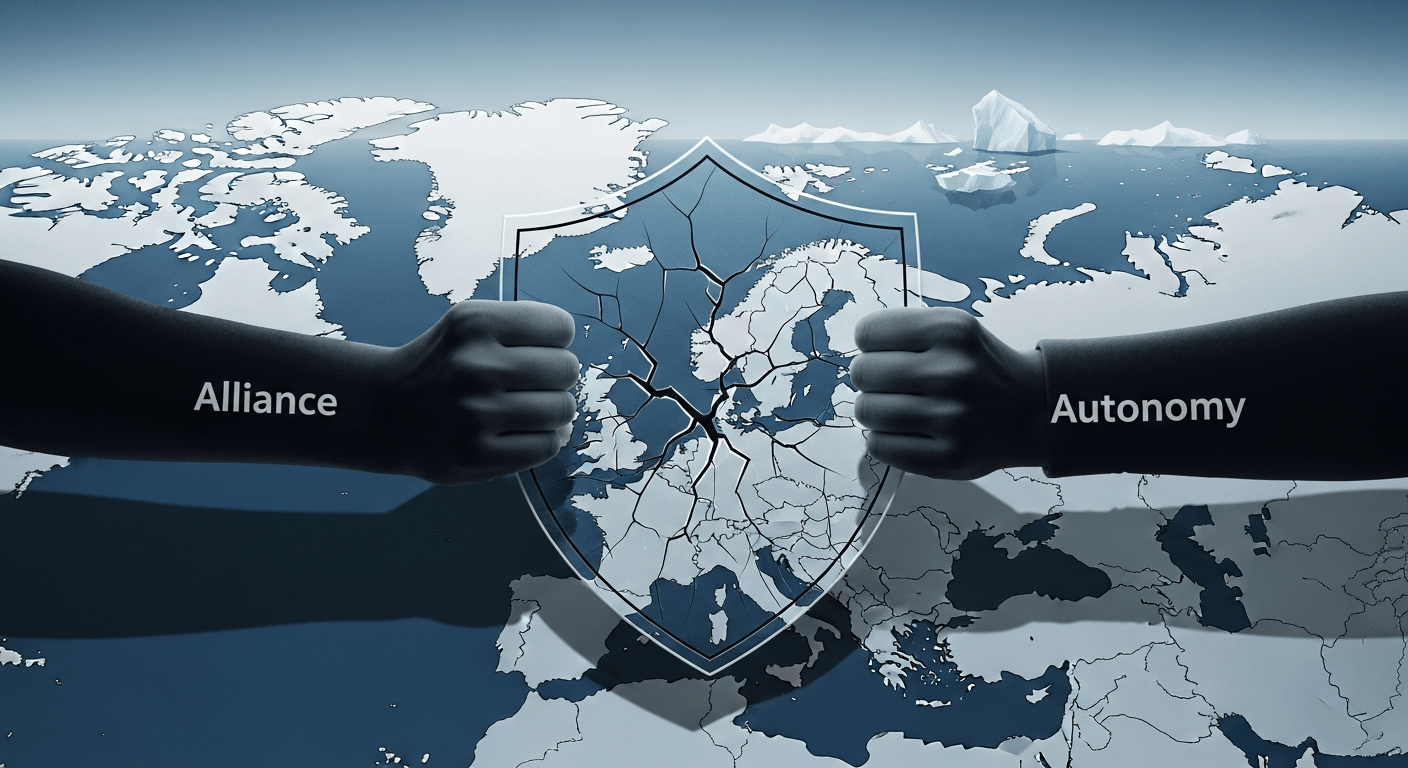
I listened to the NATO secretary-general tell European lawmakers to “keep on dreaming” if they believe the continent can defend itself without American support — a blunt line meant to cut through both rhetoric and wishful thinking Times of India.
Hearing that phrase stirred something familiar in me. It’s not just a diplomatic warning; it’s a reminder of how strategy, habit and politics conspire to shape security choices. I want to walk through what that line means — practically and philosophically — and why it should make us ask better questions, not just trade barbs about who’s right.
What was actually being said (and what it signals)
The immediate point was practical: current European capabilities, spending trajectories and nuclear deterrence arrangements are not set up to replicate the full spectrum of U.S. military power overnight. The remark pressed the familiar fault line between "strategic autonomy" and the economics and institutions that underpin deterrence.
The backdrop matters: the comment came amid a diplomatic flare-up over Arctic and Greenland security. Those are not symbolic issues; they expose gaps in logistics, intelligence reach and shared political will.
The rhetorical effect is twofold: it chastises complacency, and it nudges allies to spend, cooperate, and align in ways that many politicians prefer to avoid discussing candidly.
Three practical takeaways I keep returning to
Defense is infrastructure, not theater. You can’t conjure nuclear deterrence, carrier strike groups, or forward basing as a political slogan. They are expensive, industrial, and institutional. That means long lead times and hard budget choices.
Strategic autonomy is a spectrum, not a switch. Europe can deepen independent capabilities (defense industry, power projection, logistics, resilience) while remaining interoperable with U.S. forces — or choose to decouple, which is a far larger political and financial commitment than headlines suggest.
Trust matters as much as hardware. Alliances are built on predictable politics as much as shared weaponry. When high-level rhetoric shakes that predictability, even allies with tools may hesitate to rely on them.
What I’ve written before (and why it’s relevant)
This is not a new pattern. In previous posts I explored how security institutions and political incentives shape outcomes when pressure mounts on established guarantors of order — the same dynamics are visible here: the institutional inertia of security networks, and the temptation to treat complex strategy as a short-term political problem rather than a long-term public investment My take on security institutions and nominations.
That continuity matters. We often debate whether to build capability or keep buying reassurance. I’ve argued before that without long-term, structural thinking, both options produce brittle outcomes.
Choices facing Europe (and their costs)
Double down on interoperability: invest in common procurement, joint basing, and shared logistics to get more capability for less duplication.
Pursue genuine strategic autonomy: accept that this requires deep, sustained spending increases, industrial scaling, nuclear policy debates and the political will to sustain them across electoral cycles.
Accept a managed reliance: reinforce alliance politics so that shared deterrence remains credible — i.e., do the political work to make the existing umbrella dependable again.
None of these is cheap. None are quick. All require honest conversations that cut against short political cycles.
My personal read: realism with imagination
I don’t take pleasure in a blunt rhetorical moment. But bluntness can be clarifying. If the message shakes off illusions and prompts realistic planning — for resilience, industry, and diplomacy — then it has done a service. If it becomes a cudgel that freezes debate, then it is dangerous.
The better path blends realism (acknowledge current limits) with imagination (design credible multi-decade pathways for capability). That means:
- Citizens demanding clear, prioritized spending plans;
- Military planners running honest, transparent capability roadmaps; and
- Diplomats reframing alliance politics as long-term public goods rather than temporary bargains.
A closing thought
Security is not a single politician’s play or a headline. It’s a set of investments — political, economic and social — that we either make deliberately or, more dangerously, assume will be made for us. As I reflected in earlier pieces, institutions matter; foresight matters. Those who tell you there is a shortcut are selling a dream. Those who treat every blunt warning as an excuse for pessimism are missing the opportunity it contains.
Regards,
Hemen Parekh
Any questions / doubts / clarifications regarding this blog? Just ask (by typing or talking) my Virtual Avatar on the website embedded below. Then "Share" that to your friend on WhatsApp.
Get correct answer to any question asked by Shri Amitabh Bachchan on Kaun Banega Crorepati, faster than any contestant
Hello Candidates :
- For UPSC – IAS – IPS – IFS etc., exams, you must prepare to answer, essay type questions which test your General Knowledge / Sensitivity of current events
- If you have read this blog carefully , you should be able to answer the following question:
- Need help ? No problem . Following are two AI AGENTS where we have PRE-LOADED this question in their respective Question Boxes . All that you have to do is just click SUBMIT
- www.HemenParekh.ai { a SLM , powered by my own Digital Content of more than 50,000 + documents, written by me over past 60 years of my professional career }
- www.IndiaAGI.ai { a consortium of 3 LLMs which debate and deliver a CONSENSUS answer – and each gives its own answer as well ! }
- It is up to you to decide which answer is more comprehensive / nuanced ( For sheer amazement, click both SUBMIT buttons quickly, one after another ) Then share any answer with yourself / your friends ( using WhatsApp / Email ). Nothing stops you from submitting ( just copy / paste from your resource ), all those questions from last year’s UPSC exam paper as well !
- May be there are other online resources which too provide you answers to UPSC “ General Knowledge “ questions but only I provide you in 26 languages !




No comments:
Post a Comment