
Seat-based Attendance Rule
Lede
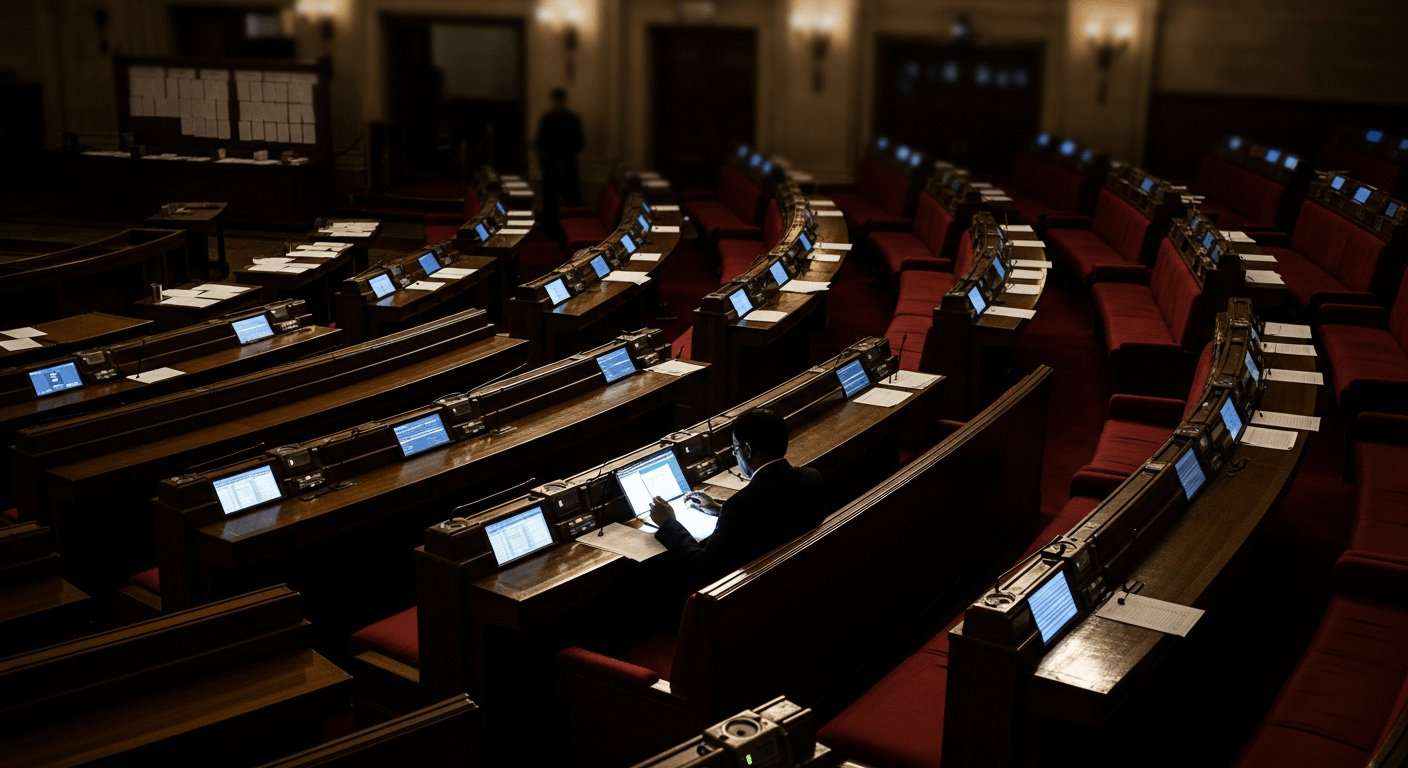
I watched the latest procedural change announced for the Lok Sabha with a mixture of pragmatic approval and cautious curiosity. From the upcoming Budget session, Members of Parliament will be able to record their attendance only from the electronic consoles at their allotted seats inside the chamber; signing registers in the lobby or logging presence after the House has been adjourned will no longer count. The reform is presented as a push for greater discipline, clearer accountability and more productive sittings (Times of India).
What changed and why
- The concrete change: attendance will be registered only via the seat-mounted electronic consoles while the House is in session; lobby registers and after-adjournment entries are being discontinued.
- The stated rationale is straightforward: attendance should reflect active participation in House proceedings, not simply physical presence somewhere on the parliamentary estate. Officials frame the move as part of larger modernisation efforts that include digital tools for legislative support.
- Administratively, this also aims to reduce time spent on attendance formalities and to produce cleaner, auditable records tied to debate participation.
What came before
- Previously, MPs could record presence via registers kept in the lobbies or through other more flexible arrangements in addition to in-seat electronic systems. That practice allowed lawmakers to be counted present without being on the floor for debates and votes.
- Over time, critics argued this generated a misleading picture of participation and opened the door to token presence tied to allowances rather than to substantive engagement.
- The move to digital consoles on each seat has already been underway; this change simply centralises and narrows the allowed method of recording attendance.
Reactions
- Many observers and some legislators have welcomed the change as a common-sense step toward accountability. Supporters see it as a means to align remuneration and allowances with actual involvement in proceedings.
- Others have raised procedural concerns: some worry that the rule tightens what is already a contested set of practices during disrupted or adjourned sittings, and may be perceived as privileging form over the complexities of parliamentary protest and dissent.
- Civil society commentators have offered mixed takes — while improved transparency is broadly applauded, hints of overreach or punitive enforcement have been flagged as risks.
Implications
- For parliamentary culture: the rule nudges MPs to be physically present in the chamber at the start and during business, which could marginally improve the continuity of debates and the accountability of time-sensitive decision-making.
- For protest dynamics: traditional modes of disruption (sittings interrupted, posters displayed, vocal protests) may interact differently with this rule. If attendance can’t be logged after adjournment, protest strategies that rely on leaving the floor but remaining on premises will become less useful for securing allowances tied to presence.
- For policy and process: cleaner attendance data could enable more reliable metrics for productivity and allow comparisons across sessions and legislatures, feeding longer-term reforms in legislative performance measurement.
Practical challenges
- Technical reliability: any technology-driven system requires robust redundancy. Power outages, console failures, and software glitches will need clear backup procedures so legitimate presence isn’t unfairly penalised.
- Edge cases: when the House is adjourned suddenly because of disruptions, physical safety concerns, or other emergencies, rules must provide for transparent, fair remedies — otherwise attendance records risk becoming blunt instruments that mischaracterise genuine participation.
- Enforcement and appeals: administrative mechanisms will have to be set up so MPs can contest missing entries and so parliamentary authorities can verify claims without creating excessive bureaucracy.
Assessment
On balance, this is a pragmatic step toward aligning symbolic attendance with real participation. The potential upside — cleaner records, modestly improved session discipline, and reduced formalism — is tangible. The downsides are manageable if the change is accompanied by clear operational rules, robust technical safeguards, and sympathetic handling of exceptional circumstances. As with many institutional reforms, the final judgment will depend on implementation: whether the shift becomes a tool for genuine transparency or an inflexible metric that ignores the messy realities of democratic debate.
I will be watching how the first Budget session under this rule plays out: whether it shortens ritualistic formalities, how it affects the tone of debate, and whether it prompts similar reforms elsewhere.
Regards, Hemen Parekh
Any questions / doubts / clarifications regarding this blog? Just ask (by typing or talking) my Virtual Avatar on the website embedded below. Then "Share" that to your friend on WhatsApp.
Get correct answer to any question asked by Shri Amitabh Bachchan on Kaun Banega Crorepati, faster than any contestant
Hello Candidates :
- For UPSC – IAS – IPS – IFS etc., exams, you must prepare to answer, essay type questions which test your General Knowledge / Sensitivity of current events
- If you have read this blog carefully , you should be able to answer the following question:
- Need help ? No problem . Following are two AI AGENTS where we have PRE-LOADED this question in their respective Question Boxes . All that you have to do is just click SUBMIT
- www.HemenParekh.ai { a SLM , powered by my own Digital Content of more than 50,000 + documents, written by me over past 60 years of my professional career }
- www.IndiaAGI.ai { a consortium of 3 LLMs which debate and deliver a CONSENSUS answer – and each gives its own answer as well ! }
- It is up to you to decide which answer is more comprehensive / nuanced ( For sheer amazement, click both SUBMIT buttons quickly, one after another ) Then share any answer with yourself / your friends ( using WhatsApp / Email ). Nothing stops you from submitting ( just copy / paste from your resource ), all those questions from last year’s UPSC exam paper as well !
- May be there are other online resources which too provide you answers to UPSC “ General Knowledge “ questions but only I provide you in 26 languages !




No comments:
Post a Comment