
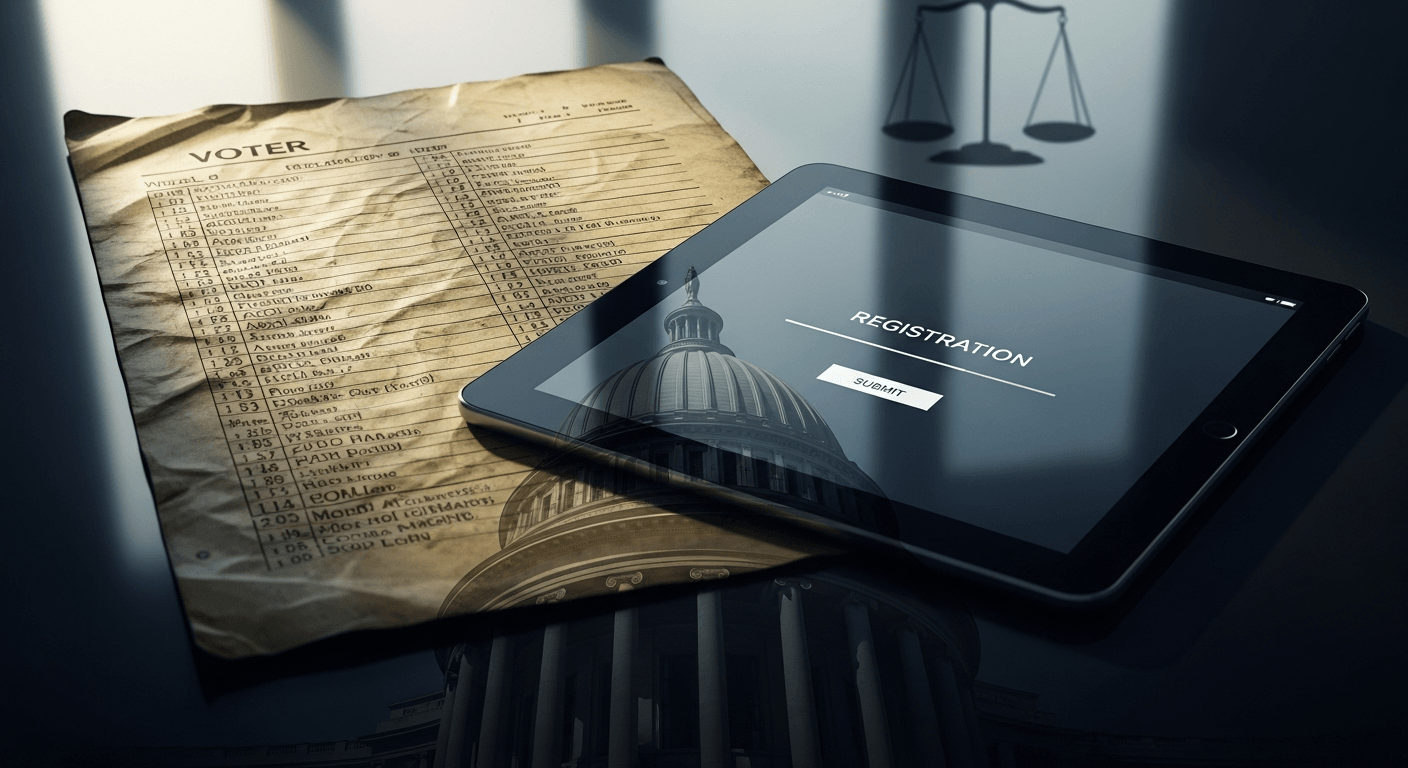
I remember the first time I dug into electoral rolls: they felt like the fragile backbone of democracy — quietly ordinary, yet essential. When I read that the Supreme Court asked the Election Commission whether "citizenship" was in its mind when it launched Special Intensive Revision (SIR), I felt that familiar unease return. This is not just a legal quibble; it's about who gets to participate in democracy, and how the machinery that sustains the franchise must balance accuracy with rights.
What the court asked — in plain terms
A bench of the Supreme Court queried the poll body about the purpose and framing of SIR. The Commission has said SIR was prompted by large-scale migration, urbanisation and the need to update entries — and it also pointed to changes in the law since the last major revision. But the court wanted to know whether the exercise was really about determining citizenship in the first place, or whether that question had only crept in afterward as a justification. The reportage captures that tension well Hindustan Times.
The practical stakes
- Millions of names were removed during the Bihar SIR exercise — reports put the figure in the millions. Removing names from the rolls without clear, accessible remedies risks disenfranchising people who have imperfect paperwork but an unquestioned place in the polity.
- The state of play: electoral law treats citizenship as a constitutional necessity for the right to vote, but day-to-day registration has long relied on simpler self-declaration and practical identity documents. A sudden push to treat citizenship as a gatekeeping test shifts burdens onto ordinary people.
A tension between duties
There are two legitimate but distinct responsibilities here:
- The Election Commission’s duty to maintain accurate, current electoral rolls so elections reflect the real electorate.
- The constitutional and legal structure around citizenship, which traditionally involves specialist processes and, in some instances, central government or judicial determination rather than summary administrative findings.
The problem arises when an accuracy exercise starts resembling a process to determine citizenship. Even if the poll authority is acting in good faith, the appearance — and the risk — of turning voters into litigants is real.
Why wording and procedure matter
Reports suggest the SIR notification could have been clearer about its objectives. A clause that ambiguously references "migration" or "updation" without distinguishing lawful internal migration from cross-border or illegal migration invites confusion and challenge.
Small changes in wording and process design would reduce harm:
- Spell out that SIR is an administrative clean-up, not a final citizenship determination, and that any suspicion will trigger referral to the appropriate authority.
- Explicitly accept commonly possessed identity documents for interim inclusion, together with a clear timeline for any further verification.
- Provide robust notice, easy appeal routes, and legal aid/assistance at the local level so no one is removed silently.
Administrative realities and democratic values
Large-scale exercises like SIR must reckon with ground realities: literacy, access to documents, internal migration for work, and municipal record-keeping gaps. A well-intentioned push for cleaner rolls can become an instrument of exclusion if safeguards and timeframes are not calibrated.
I have long believed that technology and process redesign can help make electoral systems both cleaner and more inclusive. In earlier pieces I explored digital tools and phased approaches to modernise registration while protecting participation (VotesApp concept). Those ideas are relevant now: inclusion-by-design should guide any mass-cleanup exercise.
What I would like to see
- Clarity from the poll body: precise objectives, definitions, and the scope of SIR in public language.
- Procedural safeguards: mandatory notice, local grievance redressal, time-bound referrals to the right authorities for citizenship questions, and interim protection so people are not disenfranchised while matters are resolved.
- A phased, evidence-driven approach: pilot, learn, adapt — not snap nation-sized exercises that hinge on unfamiliar documentary burdens.
- Transparent public communication: campaigns to tell people what they must do, what documents work, and where to seek help.
A final thought
Democracy is a practice sustained by ordinary citizens who often live messy, mobile lives. Keeping the rolls accurate is necessary; protecting the right to vote is sacred. The Supreme Court’s probing question — whether citizenship was on the poll body's mind when SIR began — is a useful prod. It asks: are we cleaning the rolls to strengthen democracy, or are we creating administrative barriers that shrink it?
I side with institutional care: accuracy should not come at the cost of participation. The way forward is procedural humility — accept the limits of any single agency, build inter-agency referral pathways, protect voters during review, and use technology and outreach to expand trust rather than suspicion.
Regards,
Hemen Parekh
Any questions / doubts / clarifications regarding this blog? Just ask (by typing or talking) my Virtual Avatar on the website embedded below. Then "Share" that to your friend on WhatsApp.
Get correct answer to any question asked by Shri Amitabh Bachchan on Kaun Banega Crorepati, faster than any contestant
Hello Candidates :
- For UPSC – IAS – IPS – IFS etc., exams, you must prepare to answer, essay type questions which test your General Knowledge / Sensitivity of current events
- If you have read this blog carefully , you should be able to answer the following question:
- Need help ? No problem . Following are two AI AGENTS where we have PRE-LOADED this question in their respective Question Boxes . All that you have to do is just click SUBMIT
- www.HemenParekh.ai { a SLM , powered by my own Digital Content of more than 50,000 + documents, written by me over past 60 years of my professional career }
- www.IndiaAGI.ai { a consortium of 3 LLMs which debate and deliver a CONSENSUS answer – and each gives its own answer as well ! }
- It is up to you to decide which answer is more comprehensive / nuanced ( For sheer amazement, click both SUBMIT buttons quickly, one after another ) Then share any answer with yourself / your friends ( using WhatsApp / Email ). Nothing stops you from submitting ( just copy / paste from your resource ), all those questions from last year’s UPSC exam paper as well !
- May be there are other online resources which too provide you answers to UPSC “ General Knowledge “ questions but only I provide you in 26 languages !



No comments:
Post a Comment